Have you ever noticed plants all of a sudden sprouting in soil that had been barren and dry for a long time?
While their sudden growth may seem a complete surprise, it is actually the result of dormant seeds waiting until the moment is right.
How exactly do these teeny-tiny structures survive for so long with the smallest amounts of water, sunlight, and nutrients in their environment?
What Is a Seed?
To understand how seeds survive the worst conditions for so long, we have to know what a seed really is.
We can think of a seed as a tiny capsule containing the baby plant, called an embryo, and everything the baby needs when it starts growing. This food supply contains the needed proteins, lipids, and carbohydrates for germination. It can be found in different tissues depending on the type of plants. In some, the food is stored in the cotyledon, or seed leaves, and in others, it is stored in the endosperm.
So, the cotyledon or endosperm is like the baby's lunchbox that stores the meat, cheese, and bread for energy before it can make its own food.
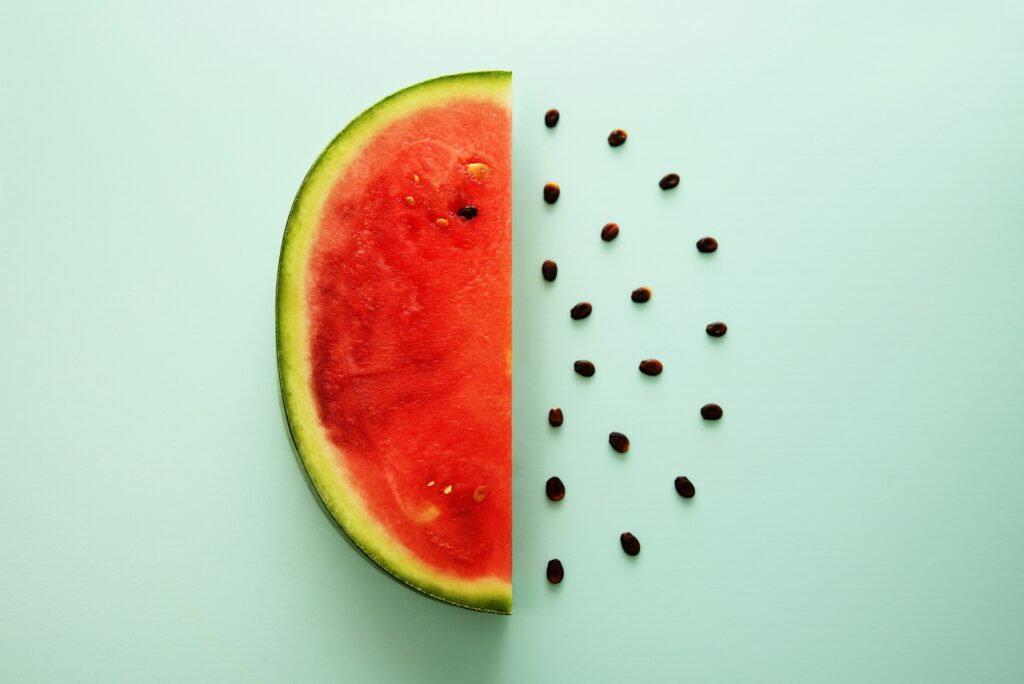
Protecting the outer layer of the seed is a seed coat that acts as a durable jacket shielding the embryo from desiccation, or dryness, and harsh conditions. Many of the toughest seeds are from fruits that we eat on a regular basis. While many of us discard watermelon seeds when we eat them, they are actually viable for 5-10 years if stored properly, as well as tomatoes and cucumber seeds! Though the seed coat is strong, it does not last forever and can eventually be degraded by cycles of weathering or bacteria and fungi living in the soil.
Seed Dormancy
The biggest reason seeds can survive for so long is their resting stage called dormancy.
Think of it as the seed going into a deep sleep, where it's still alive but using very little energy and not growing. This is how seeds can last for years in unpredictable environments. Once the rainfall, sunlight, and temperature conditions are favorable enough for growth, it is like being awakened from a long nap.
Certain hormones are responsible for waking up the seed, including gibberellins and cytokinins. The release of these hormones is triggered, most importantly, by water. Like a sponge soaking up water, absorption causes the seed coat to soften up. The stored food is now in use, like a child opening up its lunch box, and converted into nutrients for the embryo. The embryo wakes up, begins to grow, and pushes out tiny roots and shoots.
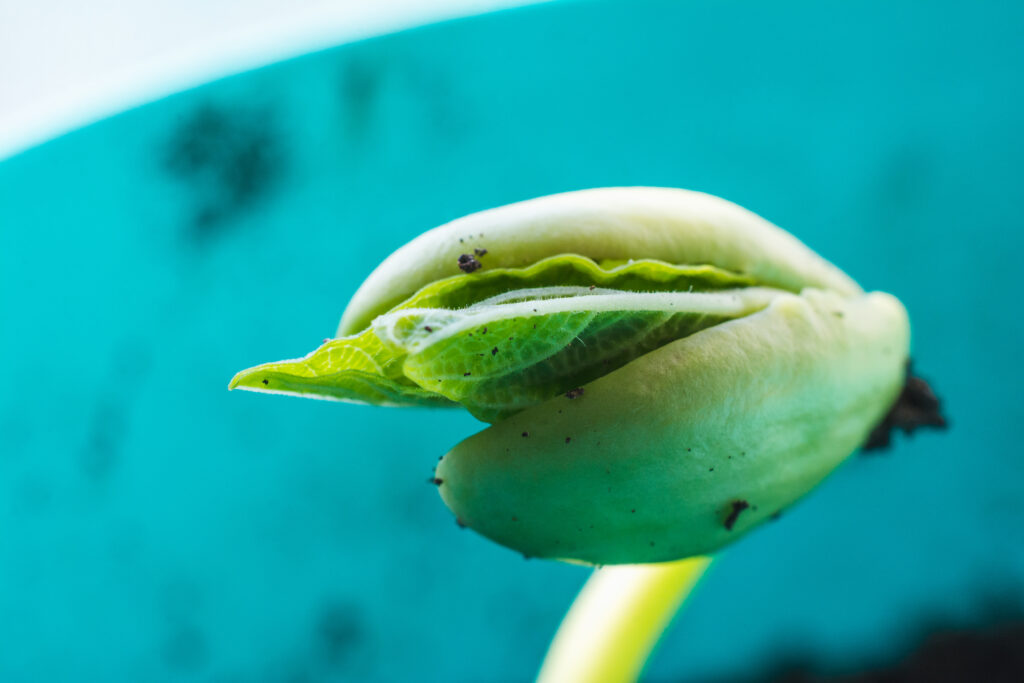
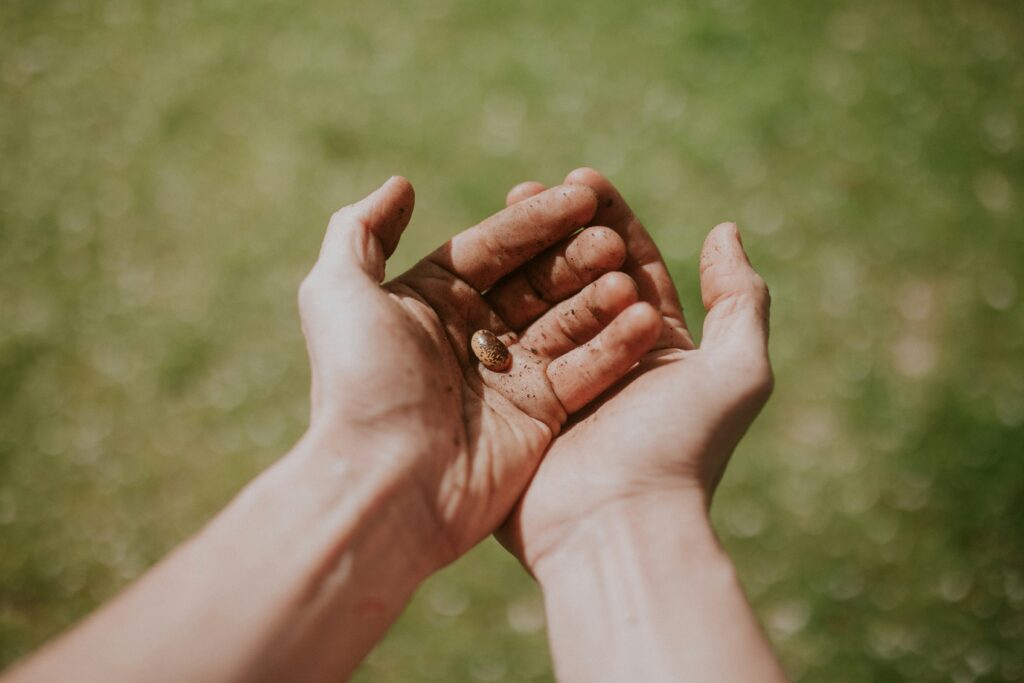
The next time you hold a seed in your hand, think about how it can stand the test of time.
Inside of that tiny shell is a living plant, patiently waiting for the right moment to grow. Even if it has to wait through multiple dry seasons in barren soil, it has all the tools to survive. Seeds look very simple on the outside, and we take them for granted when we eat fruits and vegetables. Yet, it is actually one of nature's most remarkable survival tools.