
A Beginner’s Guide to Laboratory Science
Key Takeaways
- Wet labs involve working with liquids, chemical, and biological samples
- Each instrument has a specific scientific purpose
- Micropipettes, centrifuges, balances, pH meters, and spectrophotometers are key tools
- Laboratory skills develop through repetition and practice
- Safety is essential and part of responsible science
- Wet labs are where scientific ideas are tested and developed
When most people picture a scientist, they often imagine someone in a white lab coat surrounded by mysterious equipment and colourful liquids. When I started university, that image didn't seem far from reality. The first time I stepped into a wet lab, I was surrounded by instruments I had never used before, and honestly, I had no idea what half of them did.
A wet lab is a laboratory where scientists work with liquids, chemical solutions, and biological samples. It is called a “wet” lab because most experiments involve substances in liquid form rather than dry materials or computer simulations.
It is also the place where theory meets practice - where what we learn in lectures is tested through real experiments.
My first experience inside a wet lab
I remember stepping into a wet lab for the first time and feeling slightly overwhelmed. Senior students moved around confidently, while I was still trying to understand what each tool was for. At that stage, even simple equipment looked complicated. I often found myself quietly observing and thinking: How does anyone actually use all of this correctly?
One of the first instruments I interacted with was the micropipette — and that experience stayed with me.
The micropipette: precision in your hands
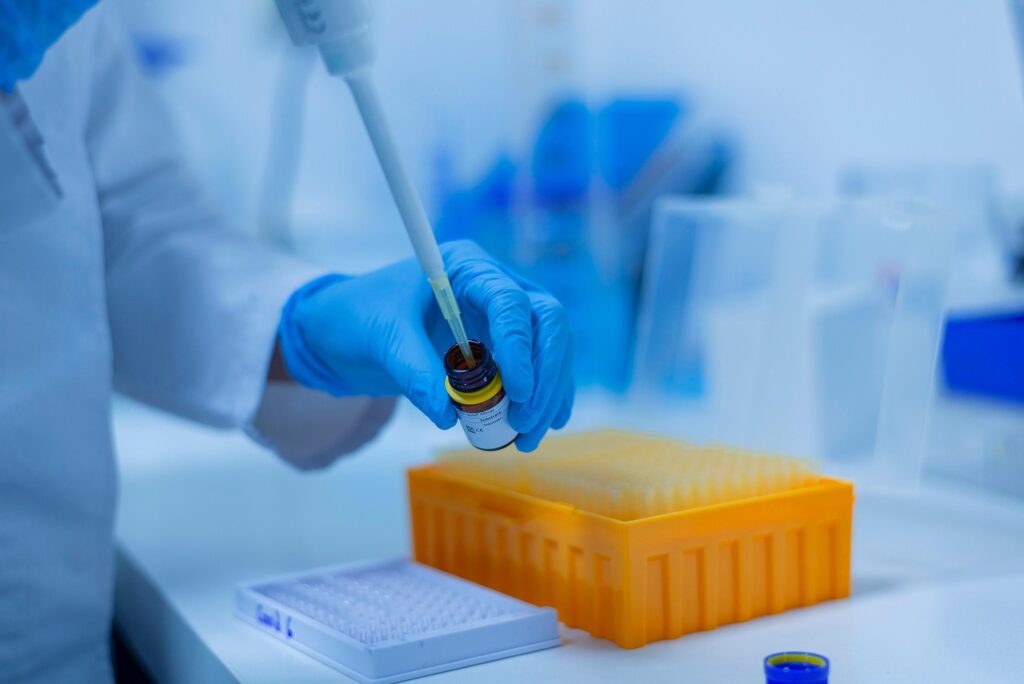
At first glance, a micropipette looks almost too simple to be important. It is small, handheld, and resembles a pen or dropper. But in reality, it is one of the most precise instruments in a wet lab. A micropipette is used to measure and transfer extremely small volumes of liquid. You can think of it as the laboratory equivalent of a measuring spoon, except it is designed to work with tiny amounts that are often invisible to the naked eye.
Learning to use it
This instrument quickly caught my attention. The micropipette looked simple enough, almost like a fancy pen. "How difficult could it be?" I thought. As it turned out, much more difficult than I expected.
The first time I used one, I struggled to hold it comfortably and control the plunger correctly. Something designed to move tiny amounts of liquid suddenly felt surprisingly complicated. But after a few attempts, I began to understand why scientists rely on it so heavily.
Other essential tools in a wet lab
As I spent more time in the lab, I started learning that every instrument has a specific role. A wet lab works like a system where each tool contributes to a larger experimental process.
Centrifuge
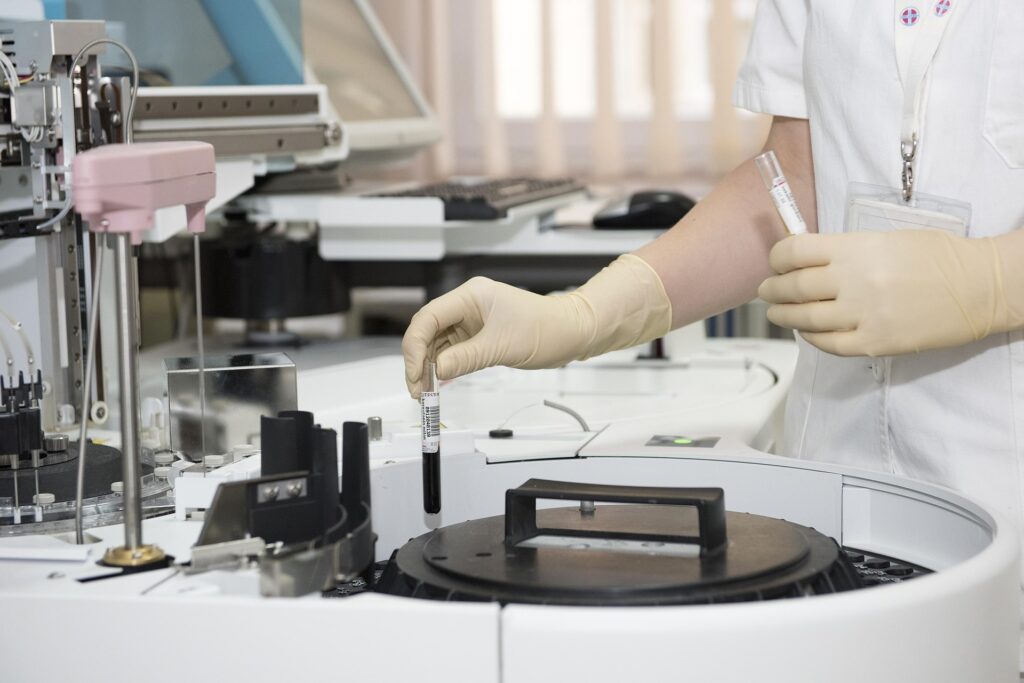
The centrifuge was one of the first machines that genuinely impressed me. When switched on, it spins samples at incredibly high speeds, almost like a miniature amusement park ride for test tubes. That spinning separates substances based on density, allowing scientists to examine different components of a sample.
Analytical balance
An analytical balance is a highly sensitive scale used to measure very small amounts of mass. Unlike a regular kitchen scale, it can detect extremely tiny differences in weight. A tiny amount of powder that seemed invisible to the eye could still be measured accurately by the instrument.
pH meter
A pH meter is used to measure how acidic or basic a solution is. Instead of guessing based on colour changes (like traditional litmus paper), it provides a precise digital reading. This helps scientists maintain accurate chemical conditions during experiments.
Spectrophotometer
A spectrophotometer measures how much light a sample absorbs. This may sound technical, but the basic idea is simple: different substances absorb light differently. By measuring this absorption, scientists can estimate concentration or identify compounds.
Learning science through repetition
One of the biggest lessons I learned in the wet lab is that practical science is not immediate. Unlike textbook problems, experiments often require repetition. Some experiments work perfectly the first time, but many do not. Sometimes results are unclear, and sometimes small errors affect the outcome. At first, this can feel frustrating. However, over time, I realized that this is part of the learning process. Each attempt builds familiarity and improves understanding. Skills in the lab are developed through practice, not perfection.
Safety: an essential part of laboratory work
Another important aspect of wet lab work is safety. Because experiments involve chemicals and biological materials, careful handling is necessary at all times. Lab coats, gloves, and safety glasses are standard protective equipment. They are essential for preventing contamination and protecting the researcher.
There are also strict procedures in place for cleaning equipment, handling chemicals, and disposing of waste properly.
Safety in the lab is part of doing science responsibly.
Why wet labs matter
Wet labs play a major role in modern science. They are used in fields such as biochemistry, pharmacology, microbiology, and environmental science. Many real-world developments begin in wet labs — including medical research, drug development, and environmental testing. While the equipment may seem complex at first, the purpose of a wet lab is simple: to test ideas, observe results, and build scientific understanding through experimentation.
Final thoughts
Looking back, what seemed intimidating on my first day eventually became familiar. The instruments that once looked mysterious became tools that helped answer scientific questions.
A wet lab is more than just a room filled with equipment. It is a place where curiosity becomes discovery, where mistakes become lessons, and where scientific ideas are tested in the real world.