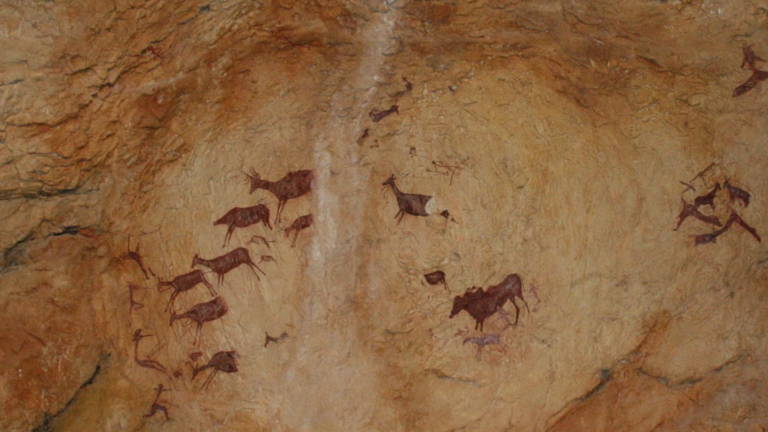







There's something inherently intriguing about the Scandinavian world. The long dark days, cold winters, and yet, a populace that thrives like no other. Numerous studies meticulously examine the well-being of Scandinavian countries compared to the global spectrum. These nations, including Denmark, Norway, Sweden, Finland, and Iceland, consistently secure high rankings in global assessments of well-being, happiness, and overall quality of life.
Why Scandinavian Cultures Rank Among the Happiest in the World
The World Happiness Report, an annual publication by the United Nations Sustainable Development Solutions Network, consistently ranks Scandinavian countries among the happiest nations globally. Factors contributing to their high rankings include robust social support systems, access to healthcare, strong educational opportunities, work-life balance, environmental quality, and a strong sense of community.
The OECD Better Life Index also highlights the well-being of Scandinavian nations. These countries frequently perform well in areas such as income, health, safety, and life satisfaction, reflecting comprehensive social welfare systems and equitable societies.

Specific Aspects of Well-being
Studies focusing on specific aspects of well-being have shown that Scandinavian countries prioritize mental health and happiness. Their emphasis on work-life balance, access to nature, high levels of trust in government and social institutions, and strong social connections contribute significantly to citizens' overall well-being. However, Scandinavian countries continuously face challenges like seasonal affective disorder, especially during extended periods of dark winters. This condition can significantly affect mental health, which is why addressing it becomes a priority in these nations.
As we are diving right into the depths of the winter season, this might be a great time to look into Scandinavian cultural concepts that are particularly relevant. These timeless insights into resilience, community, and embracing the warmth of shared moments resonate deeply during the colder months, reminding us of the enduring human spirit and the comfort found in cultural traditions.
Cultural Concepts
Friluftsliv: The Norwegian Cultural Practice of Living Outdoors
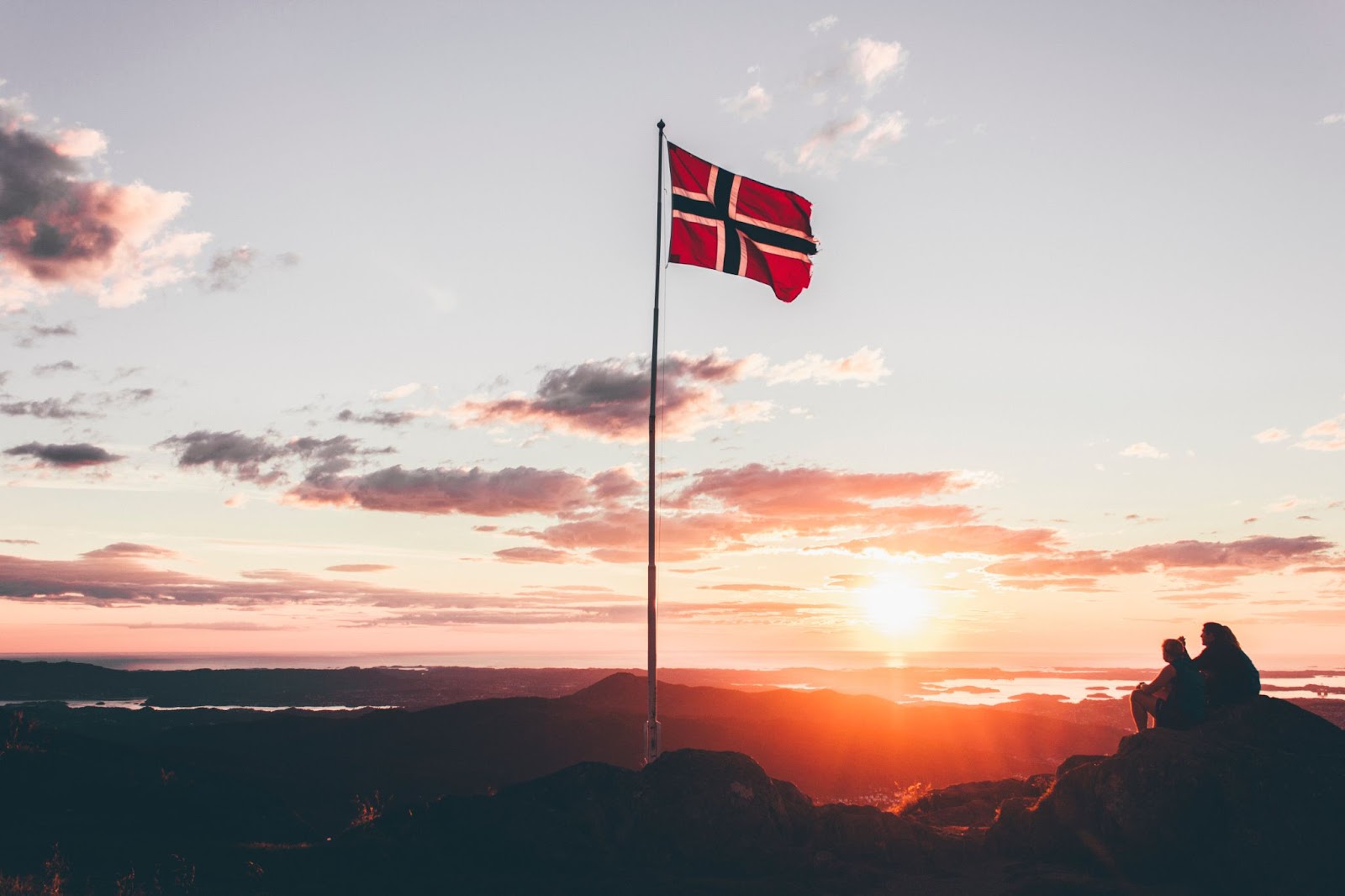
Norwegian flag against a golden sunset sky representing the spirit of friluftsliv and Scandinavian outdoor cultureNorway, a land of awe-inspiring natural beauty, cherishes "Friluftsliv," a concept encapsulating an affinity for open-air living. It celebrates a deep connection with nature, urging Norwegians to explore the wilderness, ski on pristine snow, or relish peaceful walks in forests.
The science backs this up. Research in ecopsychology consistently shows that immersing yourself in natural environments reduces stress, improves mood, and enhances overall mental well-being. Wilderness experiences in particular have been shown to reduce anxiety, ease symptoms of depression, and promote deep relaxation - the kind that a busy indoor life rarely delivers. Edward O. Wilson's biophilia hypothesis goes further, suggesting that humans have an innate, evolutionary need for connection with the natural world, something that friluftsliv has been satisfying long before researchers gave it a name.
Longitudinal studies also show that regular access to natural spaces improves quality of life over time, while ecopsychological research highlights a reciprocal effect: the more connected we feel to nature, the more motivated we are to protect it. In Norway, friluftsliv is a relationship between a people and their landscape that sustains both.
Sisu: The Finnish Concept of Quiet, Unbreakable Resilience

Pirkkala bronze sculpture Hämeensilta bridge Tampere Finland by Wäinö Aaltonen representing Finnish sisu and cultural resilienceIn Finland, "Sisu" embodies determination and resilience in the face of adversity. The ability to keep going when everything says stop. To face adversity without drama and come out the other side. It is arguably the most defining characteristic of the Finnish spirit, and science has a great deal to say about why it works.
Psychological research has identified the core traits of resilient people - optimism, perseverance, emotional regulation, and adaptability - and they map closely onto what Finns have always meant by sisu. Crucially, long-term studies show that resilience isn't fixed. It isn't simply something you're born with or without. Environmental factors and learned behaviours play a significant role, meaning sisu, like any skill, can be developed and strengthened over time.
Neuroscience adds another layer. Research into neuroplasticity shows that the brain physically changes in response to resilience-building practices - forming new connections and reinforcing existing ones. Techniques such as Cognitive Behavioural Therapy, Mindfulness-Based Stress Reduction, and other structured interventions have all demonstrated measurable improvements in resilience, supporting the idea that the Finnish approach to adversity is a trainable state of mind.
The physiology tells the same story. Resilient individuals tend to manage stress more efficiently, maintaining lower cortisol levels and recovering more quickly from difficult situations - the biological equivalent of what Finns simply call getting on with it.
Kaffemik: Greenland's Cultural Tradition of Coming Together

National Clothing. Photo by Aningaaq R Carlsen - Visit Greenland
In Greenland, kaffemik - a tradition of opening your home to neighbours and friends to mark life's milestones - places togetherness at the centre of daily life. Birthdays, christenings, graduations, even farewells, all are reasons to gather, share food, and strengthen the bonds that hold communities together.
Social psychology has long understood what Greenlandic culture has quietly practised for generations. Strong social ties and community involvement are among the most reliable predictors of good mental health, lower stress levels, and higher overall life satisfaction. Community gatherings like kaffemik don't just feel good - they build what researchers call social capital: the trust, shared experience, and mutual support that makes both individuals and communities more resilient.
In a world that increasingly mistakes digital connection for real connection, kaffemik is a reminder that showing up - physically, in someone's home, around a table - still matters more than almost anything else.
Þetta Reddast: The Icelandic Attitude That Gets Through Anything
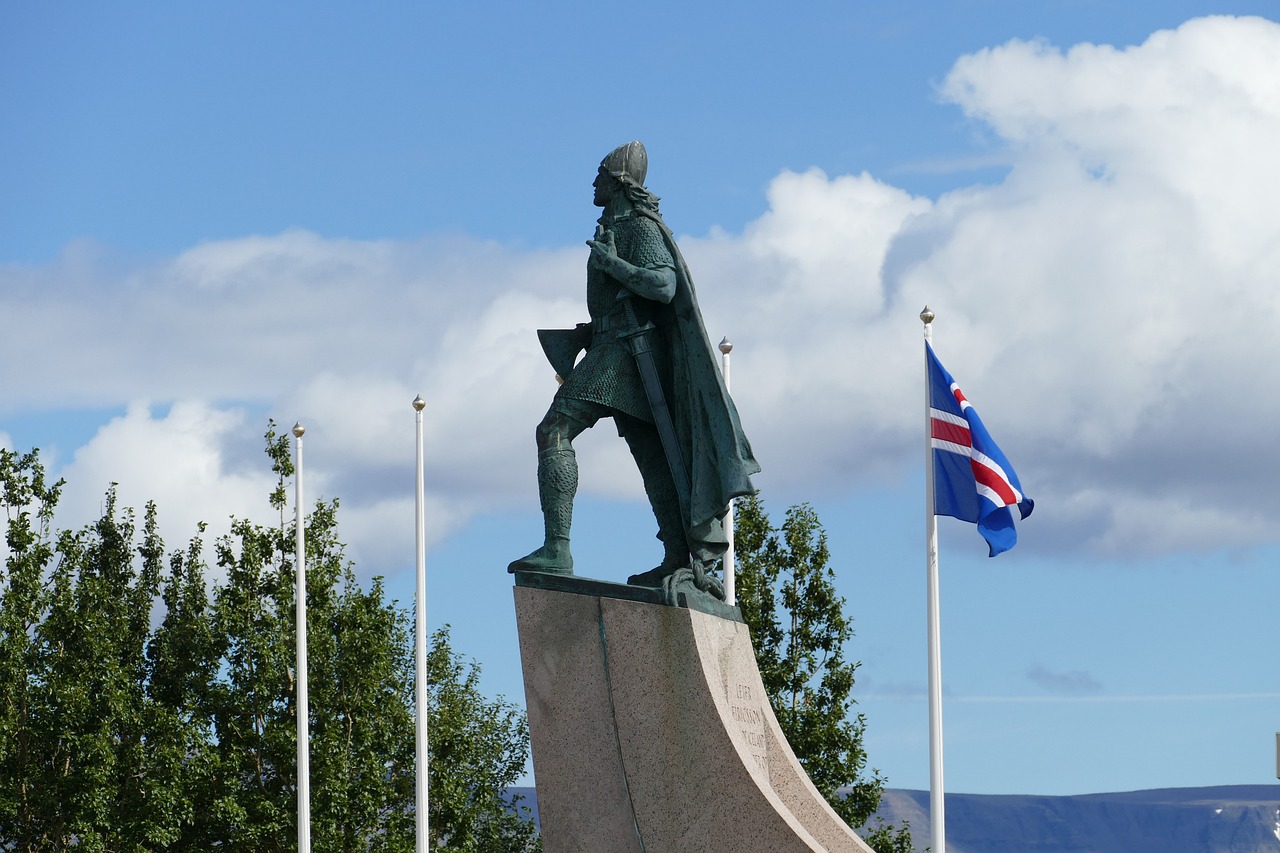
Leif Erikson statue Reykjavik Iceland symbol of Viking resilience and Scandinavian cultural heritageIceland is a nation built on volcanic rock, shaped by geysers, earthquakes, and some of the most dramatic natural forces on Earth. Living alongside that kind of unpredictability requires a particular outlook - and Icelanders have one. "Þetta reddast" translates loosely as "it will all work out," and it captures something central to the Icelandic character: a calm, practical optimism in the face of whatever comes next.
It symbolizes the Icelandic knack for staying optimistic amidst challenges. It’s hard to deny the Viking spirit that lives on in the Icelandic people. The concept of "Þetta reddast" embodies problem-solving and adaptability, aligning with disciplines like disaster management, where resilience is crucial in preparing for and responding to disasters.
At a community level, þetta reddast functions as collective resilience. When an entire society shares a baseline of calm optimism, the psychological burden of adversity is distributed rather than carried alone. Studies on community cohesion consistently show that a shared positive outlook makes groups significantly better at navigating hardship together.
Hygge: Denmark's Cultural Secret to Comfort and Connection
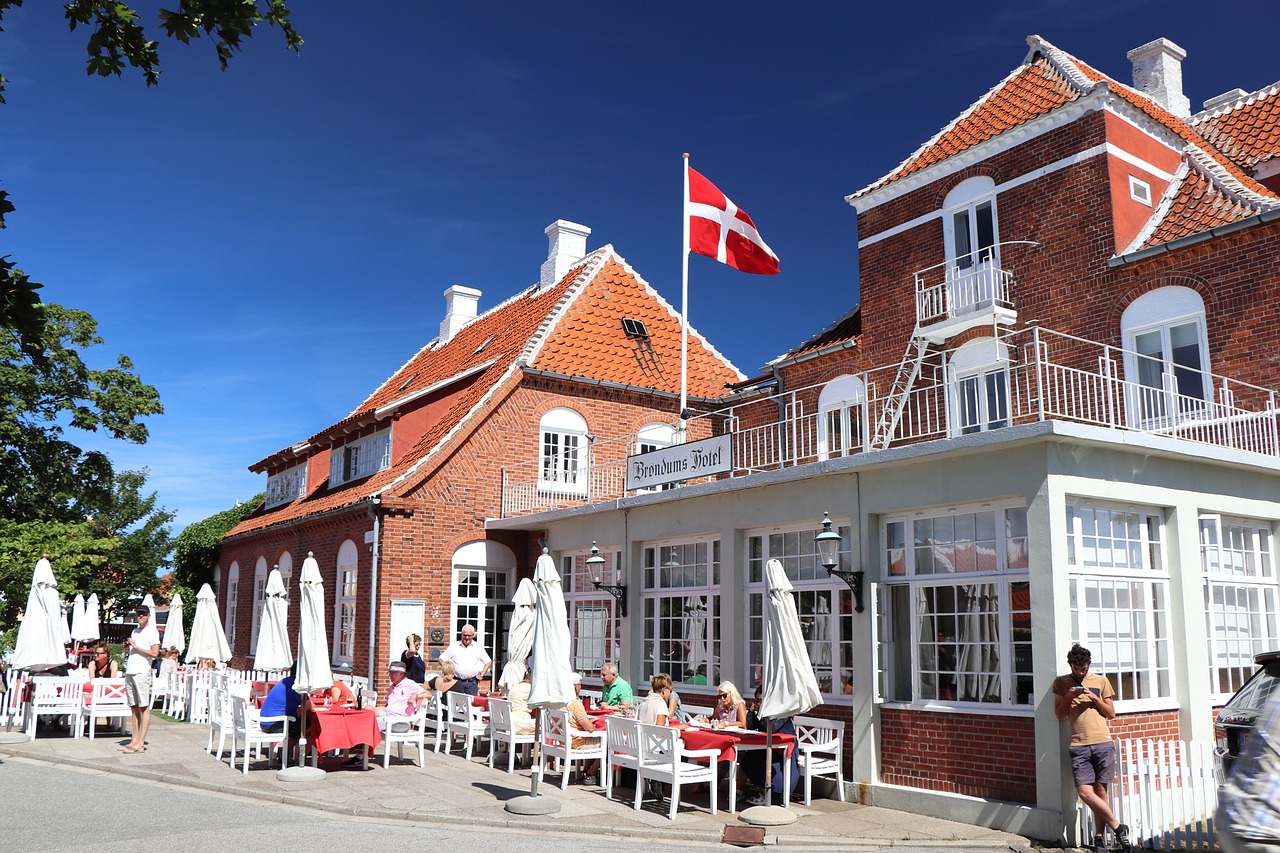
Brøndums Hotel Skagen Denmark guests enjoying outdoor dining under the Danish flag embodying hygge cultureDenmark gave the world hygge - and the world, it's fair to say, was ready for it. The concept is deceptively simple: create warmth, slow down, and be present with the people around you. Candles, comfort food, good conversation, no particular agenda. It sounds modest, but the effect on wellbeing is anything but.
Positive psychology has spent decades establishing what hygge has always assumed - that comfort, social connection, and moments of genuine relaxation are not indulgences. They are necessities. The research consistently shows that people who regularly experience warmth and connection in their daily lives report higher levels of happiness, lower stress, and a stronger sense of meaning.
Hygge also shares common ground with mindfulness, not in a formal or structured sense, but in its insistence on slowing down and paying attention to small pleasures. Lighting a candle. Savouring a meal. Choosing an evening of conversation over an evening of scrolling. These are deliberate acts of presence, and studies on leisure and positive emotion suggest they have a measurable impact on how we feel over time.
What makes hygge particularly powerful is that it's inherently social. It's creating a pocket of warmth within your world, and inviting others in. In a culture increasingly defined by busyness and digital distraction, that invitation might be the most radical thing Denmark has to offer.
Fika: The Swedish Ritual of Slowing Down Together
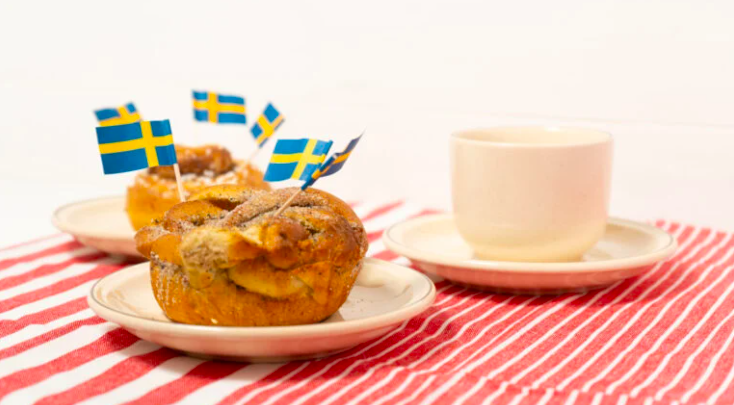
Swedish fika tradition coffee and pastry representing the heart of Swedish cultural wellbeingSweden's "Fika" tradition revolves around the art of taking coffee breaks to re-connect and relax. While less globally recognized, "Fika" underscores community values, balance, and a connection to nature, enriching Swedish culture. It encourages individuals to step away from daily routines, enjoy moments of relaxation, and appreciate the surroundings.
In a working culture that increasingly blurs the line between professional and personal life, that pause is quietly radical.
Science supports what Sweden has long practised. Research consistently shows that brief, regular breaks improve cognitive performance, sustain productivity, and reduce stress over the course of a working day. But the social dimension of fika adds something that a solo coffee at a desk cannot - a sense of belonging, shared rhythm, and the kind of low-stakes human connection that quietly sustains mental health over time.
Studies on social rituals and psychological wellbeing suggest that it's precisely this regularity and communality that makes fika effective. Less globally recognised than hygge, fika is in many ways just as powerful - a small, repeated act of community that adds up, over a lifetime, to something significant.
These concepts not only enriches our understanding of Nordic cultures but also enriches our own lives. The importance of nature, resilience, community, comfort, and human connections, are essential for surviving and thriving - universal values that transcend borders. These cultural concepts demonstrate wisdom inherent in Nordic societies, inviting us to learn, appreciate, and apply their insights in our own lives.

Frequently Asked Questions
- What is Scandinavian cultural wisdom? Scandinavian cultural wisdom refers to the deeply held values and practices across Nordic nations - including concepts like hygge, sisu, friluftsliv, and fika - that prioritise community, resilience, nature, and simplicity as foundations for a good life.
- Why are Scandinavian countries consistently the happiest in the world? Research points to strong social support systems, trust in institutions, work-life balance, and cultural practices that prioritise connection and wellbeing over productivity.
- What does hygge mean? Hygge is a Danish concept centred on cosiness, comfort, and creating warm moments with others - a deliberate slowing down and savouring of simple pleasures.
- What is sisu? Sisu is a Finnish concept describing a quiet, determined resilience - the ability to push through adversity without making a show of it.
- What is friluftsliv? Friluftsliv is a Norwegian concept meaning "open air life" - a cultural embrace of spending time outdoors as essential to mental and physical wellbeing.