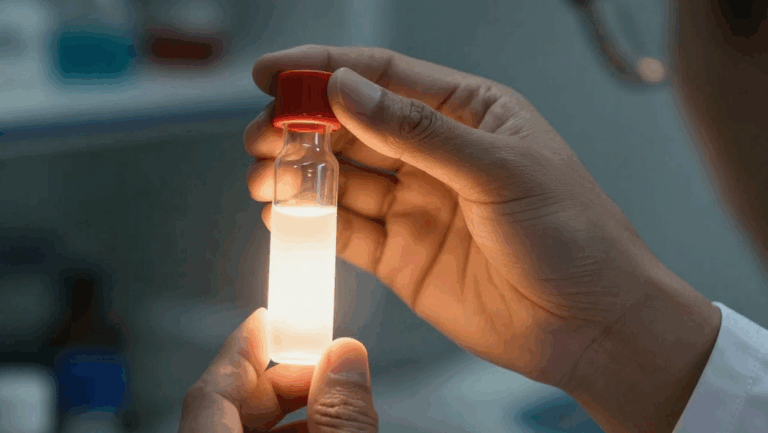







What are microorganisms and why should we care about these microorganisms? Microorganisms are incredibly small living organisms that have a significant impact on the world around us. We should care about them because they can make stuff that we use in our daily lives. For example, they can create materials that we find really useful. This includes producing food like yogurt and cheese to produce materials such as bioplastics, plastics made from renewable resources such as microorganisms. Harnessing these microorganisms' potential features can create solutions to health, environmental sustainability, and other research areas.
Strategies
Some of the strategies that were adopted from experimenting with microorganisms are substrate spectrum expansion, biosynthetic pathway optimization, energy and redox supply, carbon source co-utilization pathways, synthetic substrate channeling, metabolic model integration, product storage and exportation, and adaptive laboratory evolution.
Substrate spectrum expansion: microorganisms need to eat a wide variety of things to produce different types of products.
Biosynthetic pathway optimization: optimizing how microorganisms make things to get more of the good stuff that we need.
Energy and redox supply: balancing the energy of microorganisms to execute the products.
Carbon Source Co-Utilization Pathways: microorganisms use various food sources to enhance process efficiency in the biological processes.
Synthetic Substrate Channeling: It helps microorganisms to run their tasks more efficiently by keeping all the parts of a job in their proper order.
Metabolic Model Integration: A blueprint for the production of microbial processes. It helps scientists and engineers design microorganisms to do specific jobs, especially when those jobs get really complicated.
Product Storage and Exportation: When microorganisms create valuable things, such as medicines or biofuels, it's crucial to have an effective method for storing and transporting these products, especially when faced with challenging conditions.
Adaptive Laboratory Evolution: When scientists want microorganisms to do something they've never done before, they have to train them.
Limitations
One of the major hurdles in microbial manufacturing lies in the inefficiency of transporting raw materials, intermediates, and final products through the cell membrane. This bottleneck can lead to several issues, including decreased product yield, sluggish production rates, and hindrance to overall cell growth.
Applications
Transporter Engineering
One of the potential applications in microbial manufacturing is transporter engineering. Transporter engineering is a way to make microbial cells better at moving things around inside them. It's like upgrading the delivery system within these tiny cells. This can be super helpful in making biofuels because it helps the cells use sugars from plants more efficiently. It also speeds up the production of important stuff inside the cells. Plus, it makes it easier to get the final products out of the cells, which is great for safety and making things simpler.
Biomanufacturing Technologies in Space
Biomanufacturing in space involves the utilization of biological systems to produce crucial materials like fuel, food, and essential resources. To achieve this, a series of key steps are essential. First, adaptation is necessary, as biomanufacturing technologies must be tailored to function effectively in the unique conditions of space, which include challenges such as microgravity and increased radiation exposure. Hardware development is another critical aspect, involving the creation of specialized systems that can provide the optimal environmental conditions, including precise temperature, pressure, and nutrient supply, to support engineered microorganisms in executing their tasks in space.
Microbial cell factories play a pivotal role in space biomanufacturing. These genetically engineered microorganisms are designed to perform specific tasks vital for space missions, such as producing oxygen, generating food, or efficiently recycling waste materials. Multidisciplinary collaboration among scientists and engineers from various fields is imperative to design and optimize systems that can function seamlessly in the demanding space environment.
Resource utilization is another crucial consideration, with the goal of minimizing the reliance on resupplying materials from Earth. This strategy is vital for the sustainability of deep-space missions. Long-term investment is essential to ensure the continuous development and improvement of biomanufacturing technologies, making them increasingly efficient and reliable.
Testing and validation of these biomanufacturing technologies in space environments are essential steps to confirm their effectiveness and refine their performance, particularly in terms of resource recycling and reuse. Additionally, it's worth noting that the development of efficient space technologies carries significant benefits for addressing resource challenges on Earth, aligning space exploration with sustainability goals and resource efficiency on our home planet.
Photosynthetic Green Microalgae
Green microalgae present a range of exciting possibilities. They can be leveraged to produce specialized proteins with applications in diverse industries, nutrition, and medicine. One notable example is the genetic modification of these microalgae to enhance the production of xylanase, a critical industrial enzyme used in baking, beverages, textiles, and paper production.
Another intriguing application involves the introduction of growth hormones into algae. This genetic modification can significantly boost the growth of aquatic organisms, particularly in aquaculture settings. For instance, Chlamydomonas reinhardtii, a type of green algae, can be engineered to produce selenoproteins. These proteins play a pivotal role in accumulating organic selenium, which serves as a valuable source for nutritional supplements.
Moreover, green microalgae possess a remarkable ability—they can engage in solar-powered biomanufacturing. By converting sunlight and carbon dioxide into organic carbon, they offer a sustainable and eco-friendly approach to mass production. This process not only has the potential to reduce production costs but also addresses environmental concerns by minimizing pollution. In addition, this approach aligns with sustainability goals and could benefit from future carbon credit incentives. It may even serve as a persuasive example for organizations and companies looking to combat climate change. In sum, green microalgae exhibit versatility and promise across various applications, making them an exciting avenue for research and development.
Future of Microbial Manufacturing
Microbiology occupies a pivotal position across diverse industries, spanning environmental and energy sectors. Its potential extends to addressing pressing global challenges, including emerging diseases, antibiotic resistance, and environmental pollution. To tackle these issues effectively, innovative methods like biotechnology and genetic engineering are imperative. Moreover, increased governmental and agency support is essential to foster further research and development in this critical field.
Microorganisms, despite their tiny size, have a big impact. They can make useful things like bioplastics and food products. To use them effectively, we employ strategies like optimizing their pathways and improving their internal systems. However, there are challenges, like how they transport materials inside themselves. Exciting applications include making microbes better at moving things and using them in space. Green microalgae have diverse uses, from making industrial enzymes to using sunlight for production. In the future, we need more investment and teamwork to fully benefit from microbial manufacturing and solve global problems.