You are at the beach taking in the lovely view – the sunset, passing sailboats, children playing. Your eyes take in the scene and the brain interprets this as a pleasant and safe situation based on your memory. Computer vision emulates this human sensory experience by teaching a machine to make sense of images around it by classifying and interpreting them to a high degree of accuracy.
What is Computer Vision?
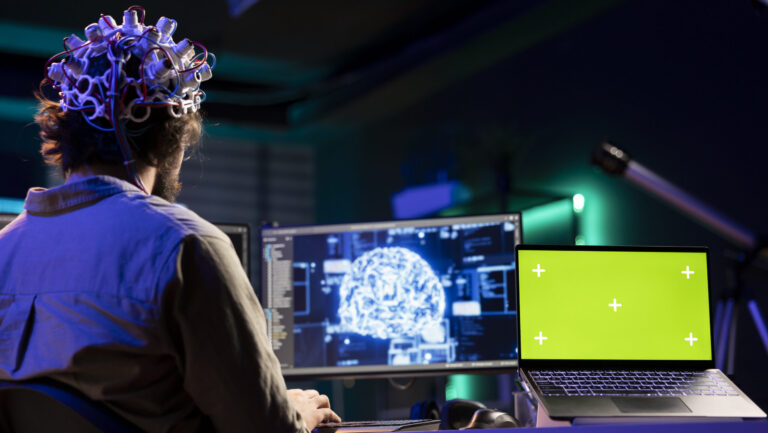
Computer vision is an exciting area in the field of artificial intelligence. Cutting edge gaming apps with headsets introduce you to virtual worlds with immersive features by responding to hand gestures, eye movements and facial expressions. Tours to exotic lands with realistic and stunning visuals are now
possible with computer vision. Health professionals are finding that computer vision detects and diagnoses irregularities in medical images like MRIs and Xrays that might have been easily missed in routine interpretations.
So how does a system enabled with computer vision work?
Just like a digital camera, the scene the machine ‘sees’ is stored as an arrangement of extremely tiny digital units called pixels. Each image is made up of millions of pixels. Each pixel contains data such as colour and brightness for each corresponding point in the image. Computer vision teaches the machine to collect information from the pixels and recognize visual patterns. Labelled data is used to identify and
interpret the images and the machine is designed to train itself to understand new incoming images.
Computer vision has literally made inroads into our daily lives by successfully navigating self-driven cars using GPS data and high-quality cameras. It is also expected to be used extensively in security, industrial quality control, agriculture and prediction of natural calamities for damage control.
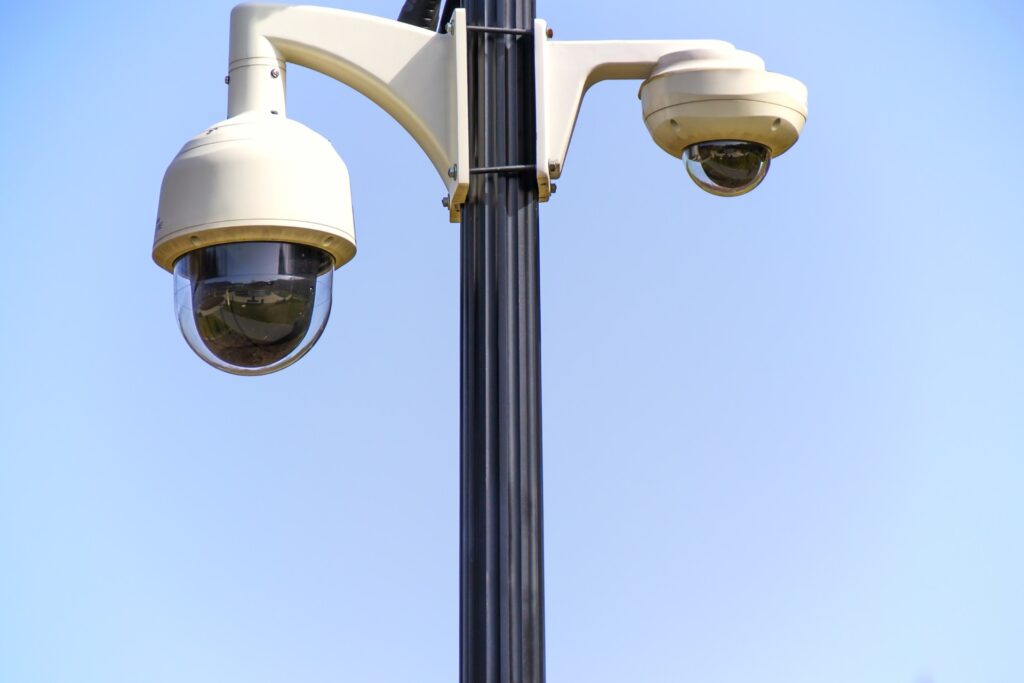
While making handling several challenges easier, computer vision has also raised a lot of privacy concerns. A system used to track vehicle licence plates would also have access to the driver’s preferences, movements and locations. Surveillance without consent gives rise to identity theft and bias. Regulation against misuse of private data must evolve concurrently with advances in
identification technologies.
Computer vision holds much promise for the future, extending far beyond the horizons of human capabilities. When used responsibly, its potential promises to leave no field unchanged – transportation, law and order, healthcare, education and many more.