
“Brain food” is a casual term you’ve probably heard, but never really understood what it meant.
Here we will explore the path that a classic ham and cheese sandwhich takes through the digestive and vascular systems, all the way to the brain to fuel your (energy-demanding) thinking.

More specifically, we will examine its sugar component, known in the scientific realm as glucose. No, this isn’t an excuse to fill up on Halloween candy and, yes, your brain does hate the Keto diet (in fact, it’s forced to switch to using the less favorable fat-derived “Ketones” for energy, which can lead to the headaches and fatigue that often accompany a carbohydrate cut).
Hopefully this article can give you a glimpse of the impact that a balanced, healthy diet might have on your long-term brain health.
The Digestive System
The first part of your sandwich’s journey towards helping you think, move your eyes, and perceive visual stimuli (i.e. read this article) is through the digestive system. Elements of the sandwich are broken down through physical means, such as chewing, and chemical means, such as stomach acid, as they travel through the organs of the digestive system.
From a ham and cheese sandwich, the portion most directly relevant to fueling brain activity is the bread (although we will soon find out that calcium, derived from the cheese, plays a key role as well).

Bread is packed with carbohydrates that break down into glucose, which fuels your brain. Unlike the quick burst of glucose from a Snickers bar, the glucose from bread is released more steadily and slowly. This steady supply is ideal for brain function, avoiding the “sugar crash” that follows a sugary treat.
The Cardiovascular System
So, we know that glucose, derived from the bread you consumed, is important for fueling your thoughts; both conscious and subconscious.
But, how does glucose get from your digestive system, which is located in your torso all the way up to the brain?
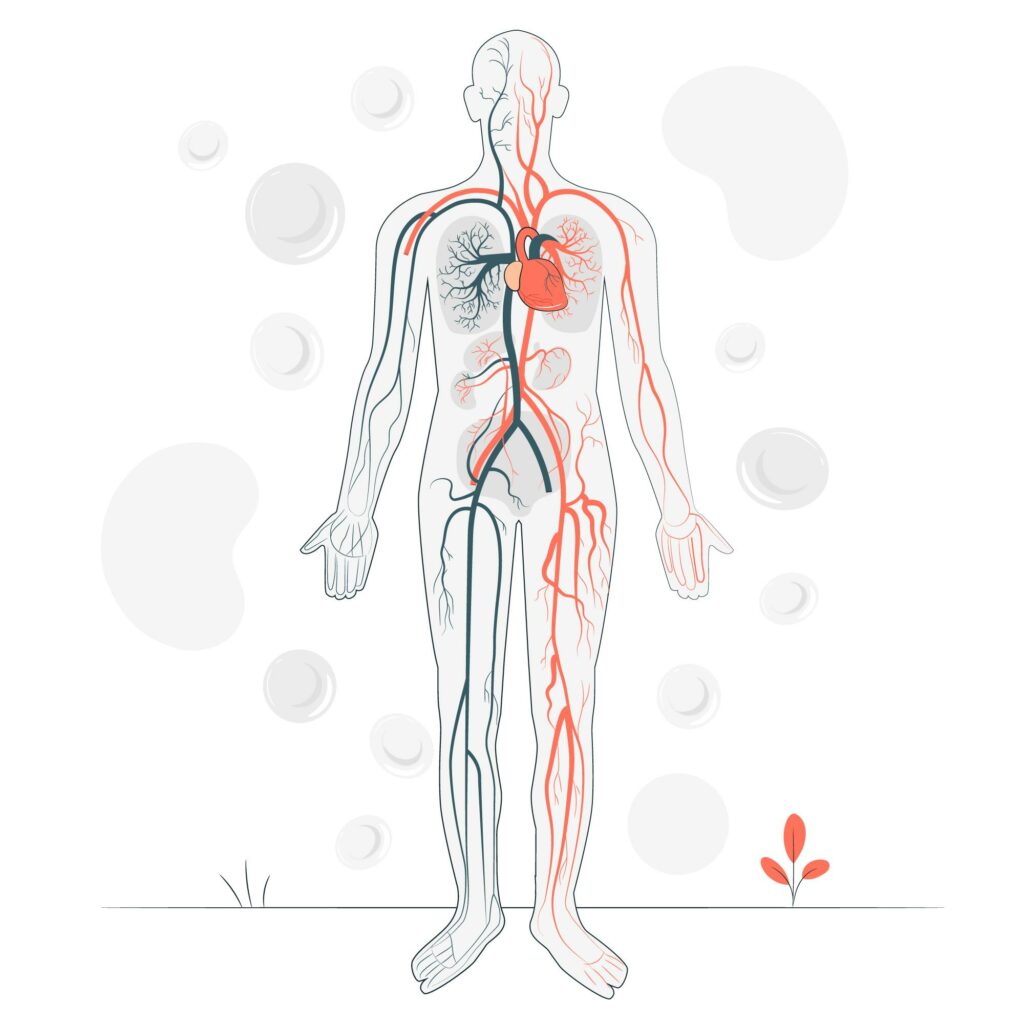
This is the work of your cardiovascular system, which transports nutrient-carrying blood to every part of the body. Glucose leaves the digestive system and enters the blood through teeny tiny tube-like capillaries, the smallest branches of the cardiovascular system. They reach each and every cell in our body. This glucose-carrying blood is then physically pumped, by the heart, so that it may travel through our arteries, or larger blood carrying-tubes of our vascular system. These arteries then branch off into the capillaries which deliver glucose and other nutrients to the cells of our brain (our ending point).
The Brain
You might be wondering, “So the carbohydrates in my sandwich bread turn into glucose, travel to my brain—what’s the big deal?”
Here’s where things really get really interesting (in my nerdy opinion). If you were to sit still all day, the brain, approximately 2% of the average adults’ body weight, would use about 20% or more of your caloric intake. If you were studying really hard, or re-reading this article over and over to absorb every new morsel of knowledge, this percentage would increase.
Because brain activity requires so much energy (and therefore a lot of bread-derived glucose), active brain cells actually have to tell the local capillaries, “Hey, over here! We are actively thinking and therefore in need of extra glucose.” Okay, so maybe they aren’t literally saying this but, in effect, this is what happens.
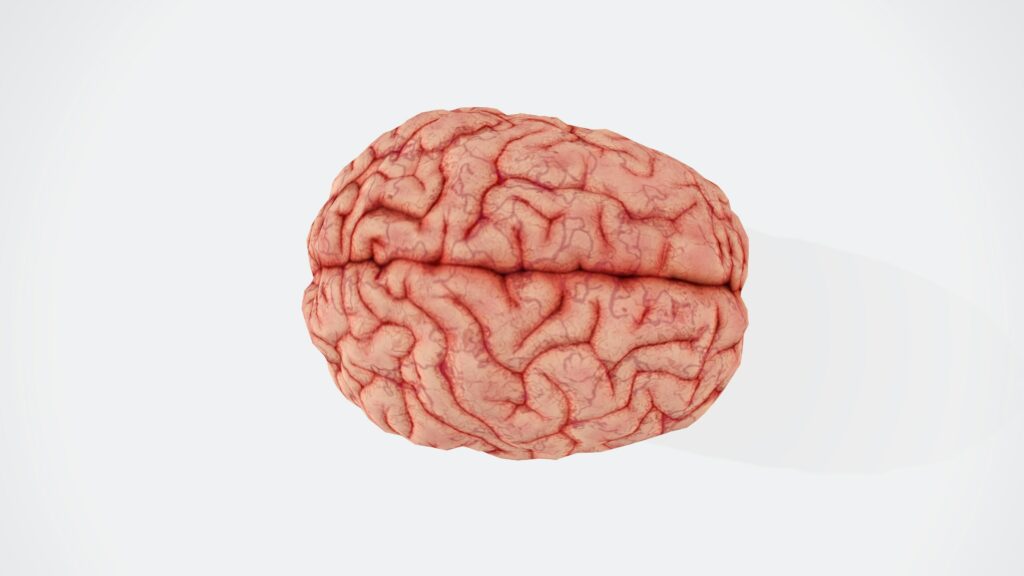
Active brain cells actually “shunt” blood flow in their direction, so that extra glucose can be delivered to sustain thought, specifically in that (very local) area of the brain [1]. Active neurons release a chemical which causes nearby capillaries to release calcium (hence the relevance of cheese as brain food, albeit its more indirect role). When calcium is released, it causes the capillary tube to widen, allowing additional blood, and, therefore glucose, to reach the active brain cells. This process is essential for proper functioning of the brain, and is reliant on a steady stream of glucose. This functioning can be compromised by type-2 diabetes (a disease of blood sugar dysregulation caused by poor diet)[2].
Additionally, the process of glucose delivery to neurons can deteriorate with age, which leads to dementia, a disease of the brain characterized by compromised memory, thought, behavior, and motor control.
Perhaps you might reconsider that candy bar, and instead reach for the ham and cheese sandwich on whole grain bread (this provides the steadiest release of carbohydrates into the bloodstream)?

References
- [1] Longden TA, et al.(2021). Local IP3 receptor-mediated Ca2+ signals compound to direct blood flow in brain capillaries. Science Advances, 7(30). https://doi.org/10.1126%2Fsciadv.abh0101
- [2] Mergenthaler, P et al. (2013). Sugar for the brain: the role of glucose in physiological and pathological brain function. Trends in Neuroscience, 36(10). https://www.ncbi.nlm.nih.gov/pmc/articles/PMC3900881
Further Reading
- NHS Blood and Transplant- Functions of blood: transport around the body.
- UCL News- Energy demands limit our brains’ information processing capacity.
- Nikhil Swaminathan - Energy demands limit our brains’ information processing capacity
- Columbia University Irving Medical Center- One in 10 Older Americans Has Dementia
- National Institute on Aging - What Happens to the Brain in Alzheimer’s Disease?