
When temperatures plummet to -40°C (-49°F) and darkness stretches across months, survival requires more than luck - it demands ingenuity, accumulated knowledge, and remarkable adaptability.
For thousands of years, Arctic peoples like the Inuit and Sami have thrived in Earth's most inhospitable environments, developing technologies that show incredible human creativity, and thus turning these environments into home.
The Engineering of Igloos
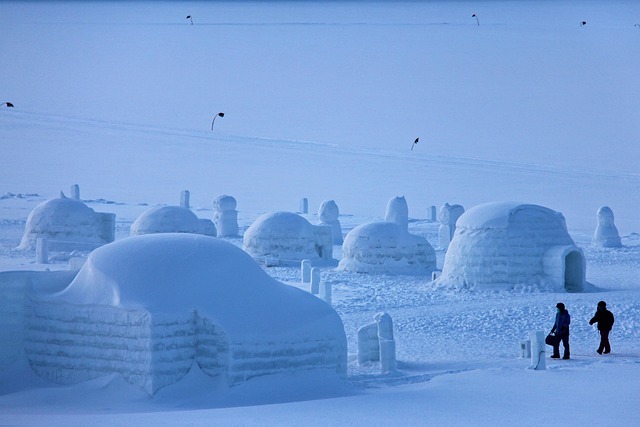
Perhaps no Arctic innovation captures the imagination quite like the igloo - a structure that transforms winter itself into protection. The Inuit peoples of Canada's Central Arctic and parts of Greenland developed snow houses that could maintain interior temperatures as warm as 16°C (61°F) even when outside temperatures plunged to -45°C (-49°F). A remarkable 61-degree temperature difference!
The secret lies in snow itself, and the physics of heat transfer.
❄️Fun Fact:
A skilled builder can construct a small igloo in under an hour using only a snow knife!
Finding the right snow was the first critical step, much like selecting quality materials for any building project. Compacted snow contains countless tiny air pockets that trap air - and since air is a poor conductor of heat, it acts as exceptional insulation. This is the same principle used in modern foam insulation. The Inuit called ideal building snow as ‘pukaangajuq’ - snowhouse snow - and could distinguish subtle differences in density and structure - too loose and it won’t support weight; too compact and it conducts heat too efficiently.
How Igloos Work:
- Blocks (2 feet by 4 feet, 8 inches thick) are arranged in a spiral pattern, tilting slightly inward with each layer
- The dome creates a catenary arch - the same shape that makes egg shells remarkably strong - distributing structural stress efficiently to prevent collapse
- Each block leans against the previous one, creating compression forces throughout the structure
- Builders work from inside, adding blocks as the dome rises around them
- The final "key" block at the top locks the entire structure together
- Gaps are filled with loose snow, creating a seamless, insulated shell
But the ingenuity didn't stop with the walls!
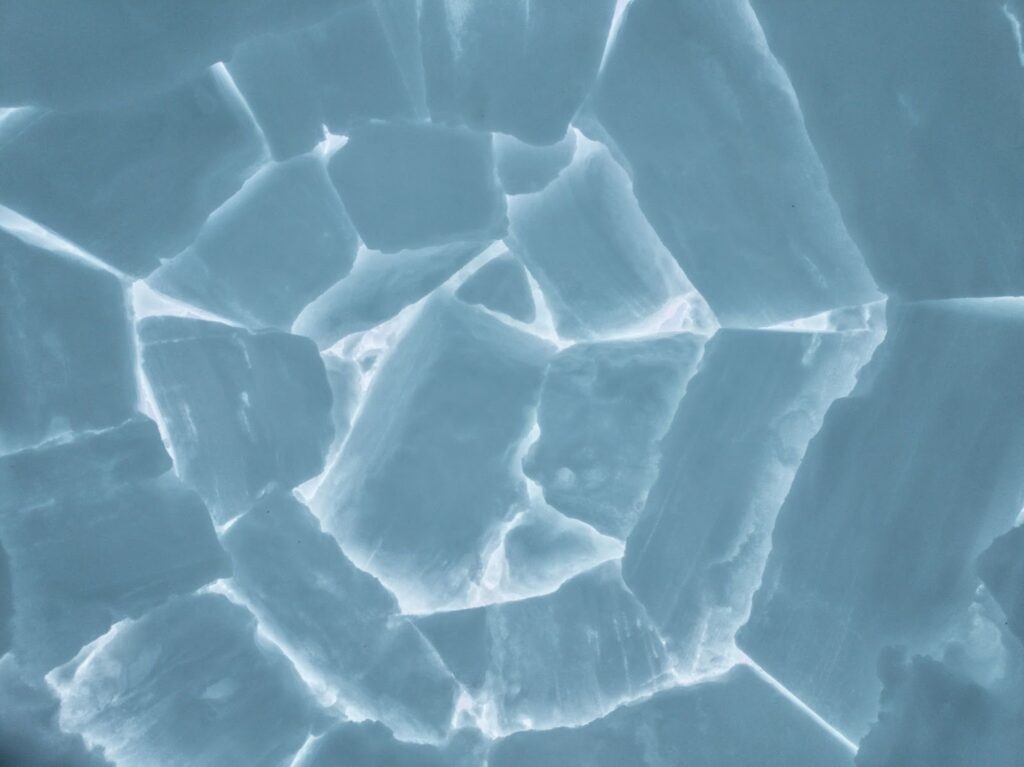
Clever design features include:
- Raised sleeping platforms take advantage of thermal stratification - warm air rises and accumulates at higher levels while cold air sinks
- The entrance - a narrow tunnel sometimes dug below ground - creates a cold trap where denser cold air settles
- A semicircular windbreak in front creates a low-pressure zone (Bernoulli's principle), generating airflow that holds warmth at sleeping level while keeping the ceiling cool to prevent melting
- After construction, builders sometimes create a large flame using a qulliq (stone oil lamp) that melts the walls slightly; when refrozen, this creates a strengthened ice layer with improved structural integrity
❄️Fun Fact:
The largest igloos could house 20 people with up to five interconnected rooms, serving as community centers for feasts and dances!
Igloos came in various sizes serving different purposes. Small temporary shelters for one or two nights could be built quickly by a traveling hunter. Intermediate family dwellings housed one or two families in a single room. Several of these might cluster together to form a small village. The largest igloos were architectural marvels connecting several smaller igloos through their entrance tunnels, creating a complex of interconnected spaces. Large community igloos hosted feasts and traditional dances, serving as important social and ceremonial centers.
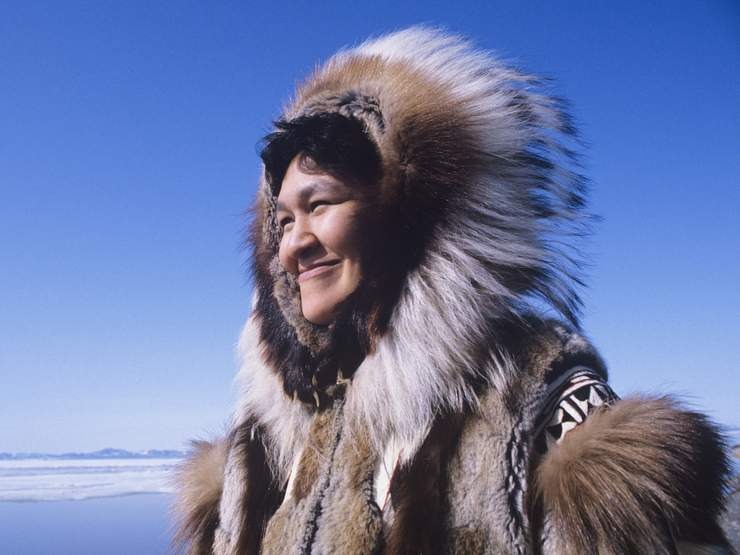
The Central Inuit who lived around the Davis Strait lined their living areas with animal skins, which could increase interior temperatures from around 2°C to between 10-20°C. Builders learned through experience where to site igloos - preferably on sea ice or lake ice rather than land, because unfrozen water beneath the ice provided a heat reservoir that moderated temperatures compared to the deep permafrost found on land (which can reach -30°C just a few meters down). They created water pits by chiseling through the ice floor, accessing liquid water that remained just below 0°C without expending precious fuel to melt ice.
Today, while most Inuit live in permanent modern housing, igloo-building skills remain culturally significant. Communities hold competitions, and hunters still use these structures for emergency shelter.
Sami Reindeer Herding
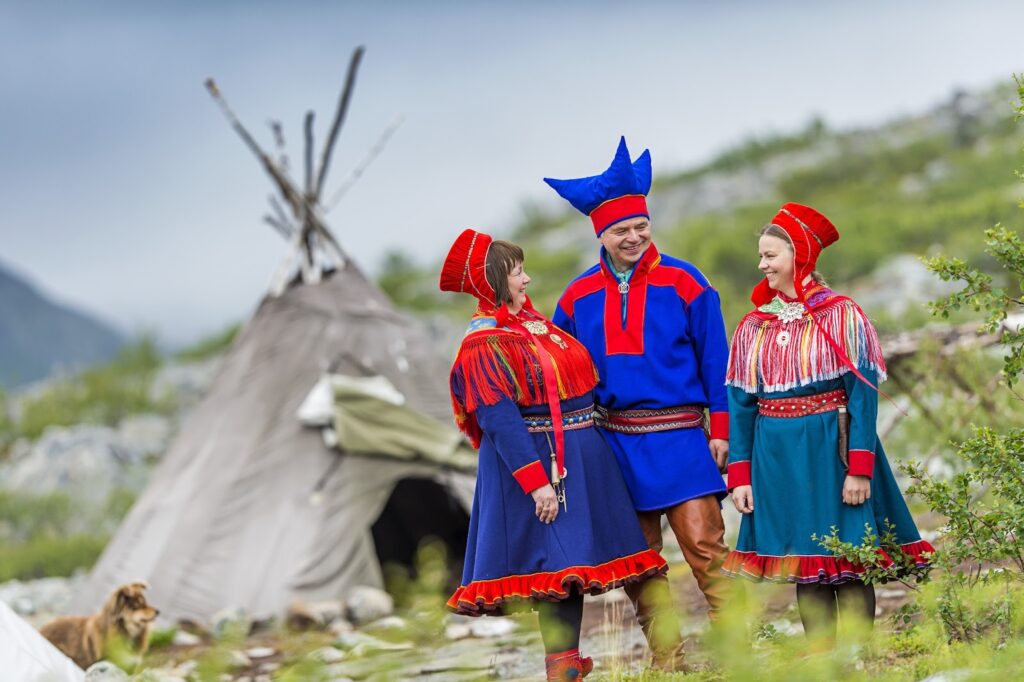
The Sami people of northern Scandinavia built their winter survival around reindeer herding - a practice originating around 2,000 years ago that evolved from hunting to managing domesticated herds.
❄️Fun Fact:
Reindeer provided everything the Sami needed - one animal could supply food, clothing, shelter, tools, and thread!
What Reindeer provided:
- Complete nutrition: meat, blood (made into gruel), organs, and bone marrow
- Hides for clothing and covering lavvu (tipi-like portable structures)
- Sinews for strong, flexible sewing thread
- Antlers and bones for tools; milk for diet
Traditional Sami practices maximized every part of the animal.
Historically, reindeer herding was nomadic, with Sami families moving with their herds across vast landscapes following seasonal patterns. These migrations were carefully planned based on accumulated knowledge of grazing grounds, weather patterns, and the reindeer's own behavioral cycles.
The social organization centered on the 'siida' - a cooperative herding group of 10-40 families who collectively shared resources and labor. In poor years, herds could access other families' traditional pasture areas as part of the collective survival strategy.
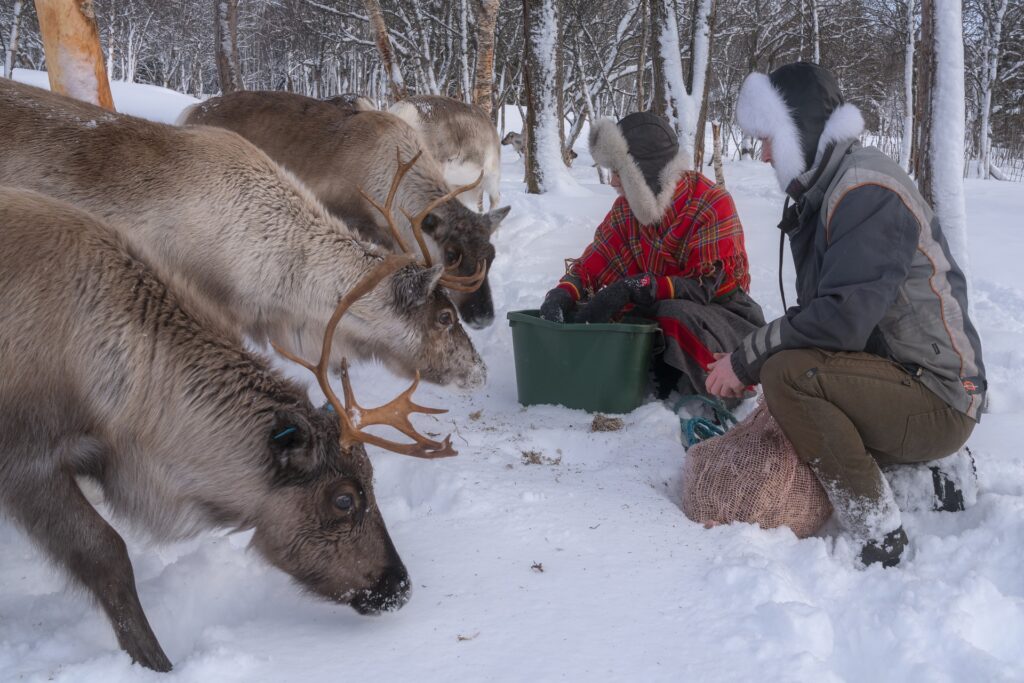
Herding required precise understanding of both animal behavior and environmental conditions, with annual cycles of calving, marking, and migration carefully planned based on accumulated knowledge.
❄️Fun Fact:
The Sami organized time around an eight-season calendar - not just spring, summer, fall, and winter, but also early-summer, late-summer, early-winter, and late-winter.
Reindeer grazing played a crucial ecological role in tundra ecosystem management. Their grazing patterns prevented the dominance of woody shrubs, maintaining the mosaic of lichens, grasses, and low vegetation that supports biodiversity. As they moved across the landscape, reindeer distributed nutrients through their droppings, essentially fertilizing the nutrient-poor Arctic soil. The Sami's deep knowledge of these ecological relationships ensured sustainable practices that preserved the environment for future generations.
Watch: A Sámi Story: How Reindeer Herding Traditions are Kept Alive Today
Contemporary Challenges
Both cultures face unprecedented challenges in the modern era, primarily from climate change but also from industrial development, land encroachment, and social transformation.
Inuit Challenges:
- Warming temperatures alter snow crystallization patterns - reducing availability of proper snow density for igloos
- Rain-on-snow events (increasingly common) create ice layers that make traditional construction impossible
- Nearly 60% of Nunavut's population is under 25, making knowledge transmission difficult
- Search-and-rescue missions have doubled in the past decade
- Unpredictable weather makes traditional knowledge about ice thickness and conditions less reliable
Sami Challenges:
- Mid-winter thaw-freeze cycles create hardened snow and ice layers (rain crust) that reindeer can't dig through to reach lichens
- This forces reindeer to spread over larger areas, increasing energy expenditure and reducing body condition
- Traditional rotational grazing is no longer possible in many areas due to land fragmentation
- More than 50% of herding costs relate to maintaining mechanical equipment
- Only 10% of contemporary Sami engage in reindeer herding today, partly due to:
- economic pressures,
- assimilation policies that historically pressured Sami to abandon traditional practices, or
- practical challenges of maintaining a nomadic herding lifestyle within a developing landscape
Both communities work to preserve traditional knowledge while adapting. In the Canadian Arctic, programs bring young adults into the tundra to learn survival skills from elders. The Sami have advocated for legal protection of reindeer herding as an exclusive cultural practice.
Why This Matters
These adaptations reveal profound insights about human capabilities. Human ingenuity can transform even the harshest environments into viable homelands - the igloo converts winter's greatest challenge into its solution, while reindeer herding turns a wild animal into a comprehensive life-support system. The knowledge accumulated over generations represents invaluable cultural wisdom that cannot be replicated in a laboratory or classroom. Social structures like the siida proved as important as material technologies, enabling cooperation and knowledge transmission across communities.
But perhaps the most significant being that traditional ecological understanding - from reading snow conditions to managing grazing patterns - offers insights that modern science is only beginning to appreciate. The question isn't whether to preserve traditional practices unchanged like museum artifacts, but how to maintain the adaptive capacity, ecological wisdom, and cultural identity they embody while responding to unprecedented environmental and social changes.