- Humans naturally sleep 1.5-2 hours more in winter - even with artificial lighting - due to evolutionary "behavioral hibernation" programming for energy conservation during scarce months.
- SAD correlates directly with latitude (under 1% in Florida vs. 10% in Alaska), and recent equatorial immigrants show higher rates than multi-generational northerners, suggesting genetic adaptation across generations.
- Modern year-round productivity demands clash with evolved winter slowdown biology, creating psychological stress; some companies now experiment with seasonal scheduling that honors natural winter rhythms.
Every winter, the same pattern emerges: alarm clocks become our enemies, productivity tanks, and the couch develops an almost magnetic pull. We laugh about "winter hibernation mode," but what if this isn't just laziness? What if your body is following ancient instructions written into your DNA thousands of years ago?
You're Not Lazy - You're Listening to Your Biology
Here's what actually happens to humans in winter:
- We sleep longer. Studies show humans naturally sleep 1.5-2 hours more per night in winter compared to summer - even with modern artificial lighting
- Our metabolism shifts. Core body temperature drops slightly, metabolic rate decreases, and insulin sensitivity changes
- We move slower. Reaction times slow down and energy levels naturally dip
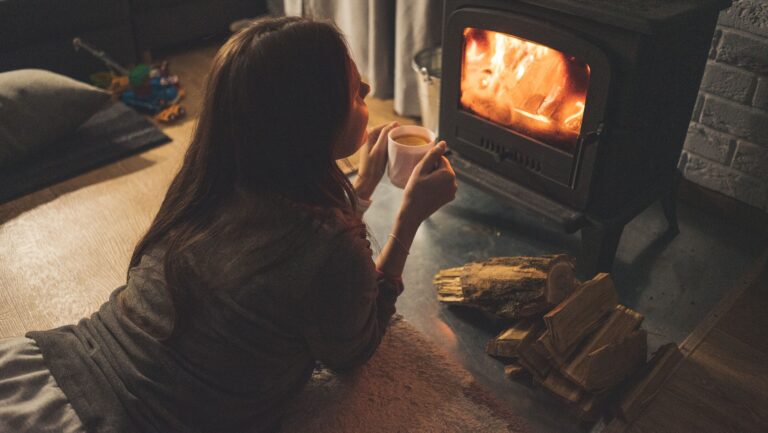
- We crave rest. That powerful urge to stay under the blankets? It's biology, not weakness
A 2023 study in Berlin found something fascinating: even in a fully lit, modern city, people still got 30 extra minutes of REM sleep during winter months. Artificial lights didn't override the biological impulse to rest more during darker months.
What Hibernation Actually Looks Like

True hibernation is dramatic. Bears drop their body temperature to near-freezing, their hearts beat only a few times per minute, and they spend months without eating or drinking. Humans obviously don't do this.
But we do something subtler that scientists call "behavioral hibernation" - measurable winter changes in sleep, activity, and metabolism that mirror hibernation's basic strategy: conserve energy when resources are scarce.
The Russian Sleep Villages
Here's a wild historical tidbit: In 1900, the British Medical Journal reported on Russian peasants in Pskov who practiced "lotska" - winter sleep. According to the account, entire families spent six months gathered around the stove, waking up just once a day to eat bread before going back to sleep.
Was this real or exaggerated? Hard to say - it lacks scientific verification. But it hints at what humans might do when facing:
- Severe resource scarcity
- No modern heating
- Long, brutal winters
- The biological freedom to just... stop
Traditional Societies Had It Figured Out
Before electricity, humans lived very differently. Ethnographic studies of contemporary hunting-gathering societies show dramatic behavioral shifts in winter:
- Reduced work hours (why exhaust yourself when food is scarce?)
- More indoor crafts (fixing tools, making clothes)
- Extended storytelling sessions (minimal caloric expenditure, maximum social bonding)
- Significantly more sleep (rest conserves energy)
These patterns emerge even in groups with access to some modern technology - suggesting deep biological programming, not just practical responses to weather.
Winter meant activities requiring minimal energy. Summer demanded intense labor during long daylight hours. This seasonal pacing honored biological reality rather than fighting it.
The Modern Mismatch
If humans evolved to slow down in winter, why does modern life feel so brutal during dark months?
Welcome to what anthropologists call a "mismatch disease" - when our evolved biology crashes head-on into modern environments. Your body expects to conserve energy when daylight diminishes. Your boss expects June-level productivity in January. The tension between these creates real psychological stress.
Seasonal Affective Disorder: Biology, Not Attitude
SAD isn't just "winter blues" - it's a biological response to extreme light changes. The numbers tell the story:
- Under 1% in Florida
- 10% in Alaska
- Nearly absent at the equator
It tracks directly with latitude. And here's the fascinating part: recent immigrants from equatorial regions to northern latitudes show higher SAD rates than multi-generational northern populations. This suggests some genetic or epigenetic adaptation to extreme darkness happens across generations.
Your body literally adapts to where your ancestors lived.
Cultural Wisdom Meets Biology

Ever wonder why Scandinavian countries are obsessed with "cozying up"?
- Hygge in Denmark
- Koselig in Norway
These aren't just cute lifestyle trends - they're cultural acknowledgment of biological realities. These traditions create socially sanctioned permission to rest more, move less, and gather indoors during months when your body is literally signaling for reduced activity.
As anthropologist Laura Buck notes in SAPIENS Magazine: humans are "ultimate adapters" - we survived northern winters through behavioral flexibility rather than biological hibernation. But that behavioral adaptation included seasonal activity reduction.
Your ancestors conserved energy in winter not because they were lazy, but because it was adaptive:
- The firewood needed to last
- The stored food needed to stretch until spring
- Rest during resource scarcity increased survival chances
What This Means For You
Understanding human hibernation tendencies doesn't mean you should sleep through winter (though tempting!). But it does suggest we might thrive by acknowledging rather than resisting these impulses.
Some forward-thinking companies are experimenting with "seasonal scheduling":
- More flexible hours during winter months
- Remote work options when it's dark and cold
- Scheduling major projects for spring and summer
- Recognizing that winter naturally favors reflective, creative, or relationship-building work over high-energy output
The Bottom Line
That powerful urge to stay under the blankets on a dark February morning? That's not personal failure. It's evolutionary inheritance.
You carry within you responses shaped by thousands of generations who survived precisely because they slowed down when conditions demanded energy conservation. Modern technology lets us override these impulses - we flood darkness with artificial light, heat homes to summer temperatures, and demand constant productivity year-round.
But your body remembers older patterns.
We can't truly hibernate, but we can honor the quieter rhythms winter invites. Rather than fighting your biology with extra coffee and guilt, maybe there's wisdom in acknowledging that humans evolved to rest more in winter.
Your ancestors survived for thousands of years by listening to these signals. Maybe they knew something we've forgotten.