Are Fairy Rings Superstition or Science?
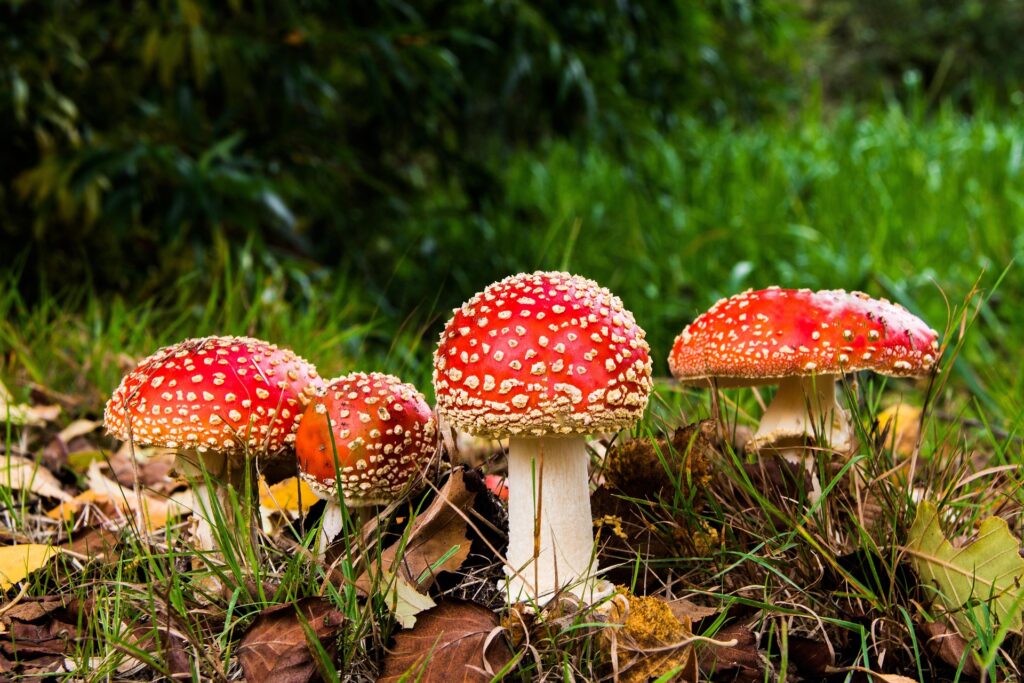
After several days of rain, have you ever noticed perfect circles of mushrooms sprouting in parks and forests? They're really impressive, aren't they? These circular patterns of mushrooms are so aptly called "fairy rings." According to old European myths, they are caused by dancing fairies and elves and are supposed to represent good luck or a place of danger and witches.
While fairy rings are certainly a unique sight that looks like a magical portal straight out of a storybook, the actual science behind this phenomenon is actually much cooler than the superstitions that it inspires.
What is a Mushroom?
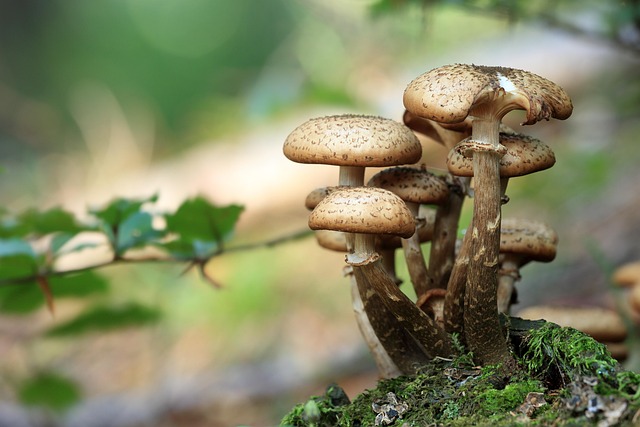
To understand how they are formed, we must begin our fascinating journey into the complex inner workings of a mushroom. First, there's a common misconception that mushrooms are plants. They're actually classified in the kingdom Fungi and are more genetically related to animals than they are to plants! While plants use photosynthesis to make their own food using sunlight, fungi are like us in that they need to consume food.
The structure we see aboveground that we call the mushroom is simply a temporary fruiting body, also called a sporocarp, where spores are produced. Think of the sporocarp like a chicken, and the spores are the eggs that it produces, which will grow and mature to become new chickens.
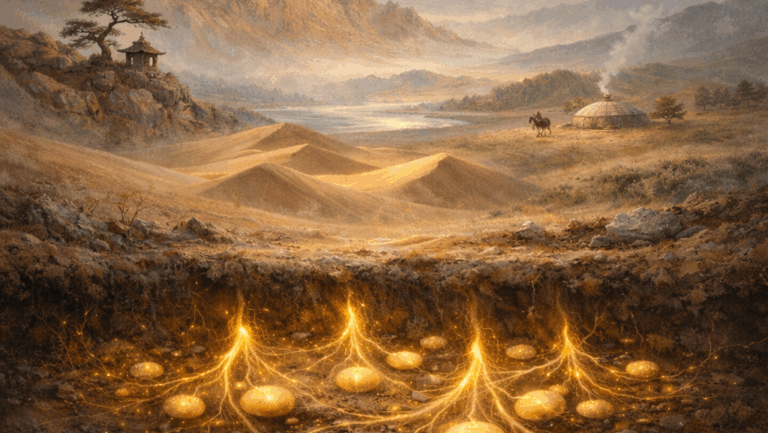
Beneath our feet, hidden in the soil or below the substrate, is an intricate network of thread-like filaments called hyphae. Branching out in numerous directions and tangling together, the hyphae make up a mass of mycelium, the non-reproductive structure of a mushroom.
If a hypha is one strand of noodle, then the mycelium is like a bowl of pasta. The mycelium absorbs nutrients and water from the soil, helping the mushroom to grow. While all we see is the sporocarp aboveground, the mycelium is where the magic truly happens.
Why Do Mushrooms Grow After It Rains?
The mycelium is also the reason why we see mushrooms popping up after it rains. Acting as a sponge, the mycelium quickly soaks up all the rainwater, swelling up and expanding, as its pre-made mushroom cells grow rapidly. They push through the softened wet soil and emerge as new mushrooms. As raindrops hit the mushroom cap, it triggers the release of spores from the gills, allowing them to disperse and grow. Imagine a tightly-knit family living underground, and all it needs is the right weather conditions to come out of its house and form the familiar luscious garden of mushrooms after heavy rain.
Why Do They Grow in a Ring?
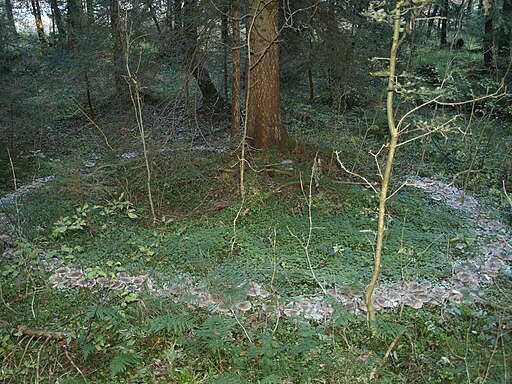
The mycelium causes the fairy rings. This circular arrangement of mushrooms is the result of the mycelium absorbing all the nutrients in the center of the ring. When the nutrients are exhausted, the mycelium in the center dies off. In search of more food, the living mycelium extends radially, producing new mushrooms along the outer edge. As you can probably imagine, this continuous process of dying and expanding can create gigantic fairy rings. One of the biggest fairy rings is in northeastern France, in a city called Belfort, which has a radius of about 300 metres. It is formed by the funnel-shaped mushroom known as Infundibulicybe geotropa.
Now that you understand the science behind mushrooms, the next time you’re out with friends after a rainy day and spot a fairy ring in the grass, you can impress them by explaining what’s really going on. What they're seeing is just a simple glimpse at an extremely intricate process of growth and decay happening underneath our feet. It's not magic; it's mycelium!