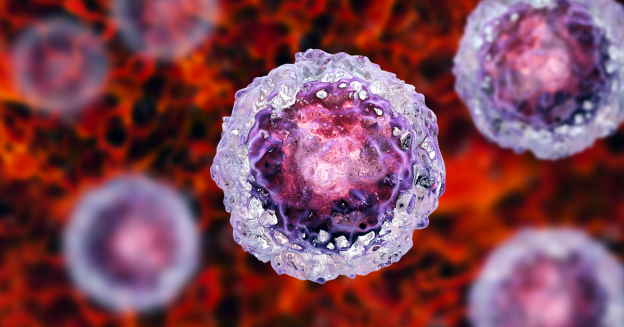
Stem cells are a unique type of cell in the human body that have the remarkable ability to become many different cell types. Due to this special ability, stem cells serve important roles in our body during embryonic development and also throughout our lifespan. In this article, we dive into various functions of stem cells in our body and discuss how scientific researchers leverage this unique cell type as a powerful tool to study the human body and develop therapies.
Stem cells are typically separated into two distinct groups: pluripotent stem cells and adult stem cells.
Pluripotent stem cells play a crucial role during embryonic development because they have the potential to become any type of cell and help to form all of the tissues and organs in the body. These cells can continuously self-renew to produce more pluripotent stem cells, but they lack any tissue-specific characteristics and cannot perform specialized functions typically carried out by adult cells. However, pluripotent stem cells can undergo differentiation to become a more specialized cell in the body that can perform unique functions, such as a nerve cell that fires action potentials to send signals throughout the brain or a cardiomyocyte that contracts to produce the heart’s rhythm. But when there are over 200 cell types in the human body, what causes a certain stem cell to become a nerve cell versus a cardiomyocyte? While this is still an active area of scientific investigation, researchers have uncovered that certain chemical cues from their surrounding environment, such as hormones, growth factors, and cytokines, can help shift their fate towards a particular cell type.
Unlike pluripotent stem cells, adult stem cells are more specialized cells that are somewhat differentiated towards a certain cell fate while retaining their ability to become multiple cell types, although their options are more limited. For instance, a neural stem cell resides within the brain, can self-renew, and has the potential to become multiple brain cells, including neurons, astrocytes, and oligodendrocytes. However, these more specialized neural stem cells are no longer considered pluripotent because they are unable to become non-neuronal cells, such as cardiomyocytes. Many parts of our bodies continue to supply adult stem cells throughout our lifespan, including our bone marrow, skin, intestines, and even our brains. These adult stem cells act as a reserve to replenish normal tissue turnover and regenerate tissue after injury.
The unique ability of stem cells to self-renew and differentiate into other cells makes them an incredibly useful tool for scientific researchers aiming to understand more and the human body during health and disease. For instance, a patient with Alzheimer’s disease may have neural cells with a certain genetic mutation that is causing the condition, however, a scientist would normally be unable to study these cells without performing brain surgery to extract these cells from the patient.
Thanks to ground-breaking research performed by Dr. Shinya Yamanaka and Dr. Kazutoshi Takahashi, we are now able to obtain skin cells from patients, reprogram them into pluripotent stem cells, and then differentiate these cells into a cell type of interest, such as a nerve cell. Through this differentiation process, the cell still retains the genetic mutations that cause disease, so you can culture neurons in a dish that contain Alzheimer’s disease-causing mutations and study how these mutations alter the cells behavior. By being able to study diseased cells so in-depth, researchers can more easily identify therapies that may alleviate malfunctions caused by genetic mutations.
Beyond their important implications in scientific research, scientists are also testing the efficacy of stem cells to treat diseases. There are many disorders that are caused by the damage or death of important cell types in the body, such as the loss of insulin-producing cells in the liver in patients with diabetes or the loss of viable nerve cells in patients with spinal cord injury.
In these types of disorders, it is being investigated whether the injection of specialized adult stem cells can help to repopulate the tissue with healthy cells to compensate for the loss of critical cell types. While there are several ongoing clinical trials to determine the efficacy of utilizing stem cells to treat a variety of disorders, the FDA has already approved the usage of hematopoietic stem cell transplantation to treat blood-related disorders and cancers. For instance, patients with blood cancer typically receive chemotherapy to eliminate the cancerous cells, however, this also inadvertently kills healthy cells and stem cells in the bone marrow. Transplantation of hematopoietic stem cells after chemotherapy replenishes the supply of bone marrow stem cells and allows for the production of new blood cells.
All in all, stem cells are a complex and intriguing cell type in the human body that serve many functions during embryonic development and adult homeostasis and repair. The unique features of stem cells allow researchers to study diseases more intricately and allow us to understand their mechanisms more in-depth. The powerful abilities of stem cells have been recognized broadly by the scientific and medical community and their applicability to the treatment of a variety of disorders is being actively investigated, with several ongoing clinical trials studying the use of stem cell transplantation to treat diseases.