
Exploring Traditional Fire Mitigation Strategies
In recent years, Canada has been grappling with increasingly severe and frequent wildfires, leaving devastating impacts on communities and ecosystems alike. The 2016 Fort McMurray wildfire in Alberta forced the evacuation of nearly 90,000 people and caused billions of dollars in damage. Jasper National Park is currently facing its own wildfire crisis, threatening both natural habitats and nearby towns. These events are part of a worrying trend: just last year, smoke from Canadian wildfires blanketed much of Canada and the upper United States, affecting air quality for millions and serving as a stark reminder of the far-reaching consequences of these disasters.
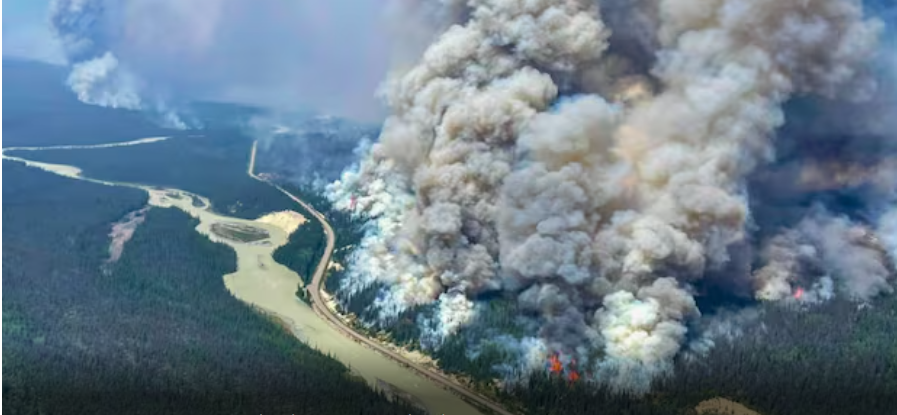
As climate change intensifies, making wildfires more frequent and severe, experts are searching for new strategies to manage this growing threat. Surprisingly, some of the most promising solutions may come from the past, hidden in the traditional practices of rural and Indigenous communities around the world.
Traditional Fire Management: Insights from Recent Studies
Two recent anthropological studies, one from Central Italy and another from Japan, shed light on how historical land management techniques and community cooperation once played crucial roles in preventing and managing wildfires. These findings offer valuable insights that could inform modern fire prevention strategies, not just in Mediterranean and East Asian contexts, but potentially in places like Canada as well.
The Monte Pisano Study: Rural Italian Fire Prevention and Mitigation
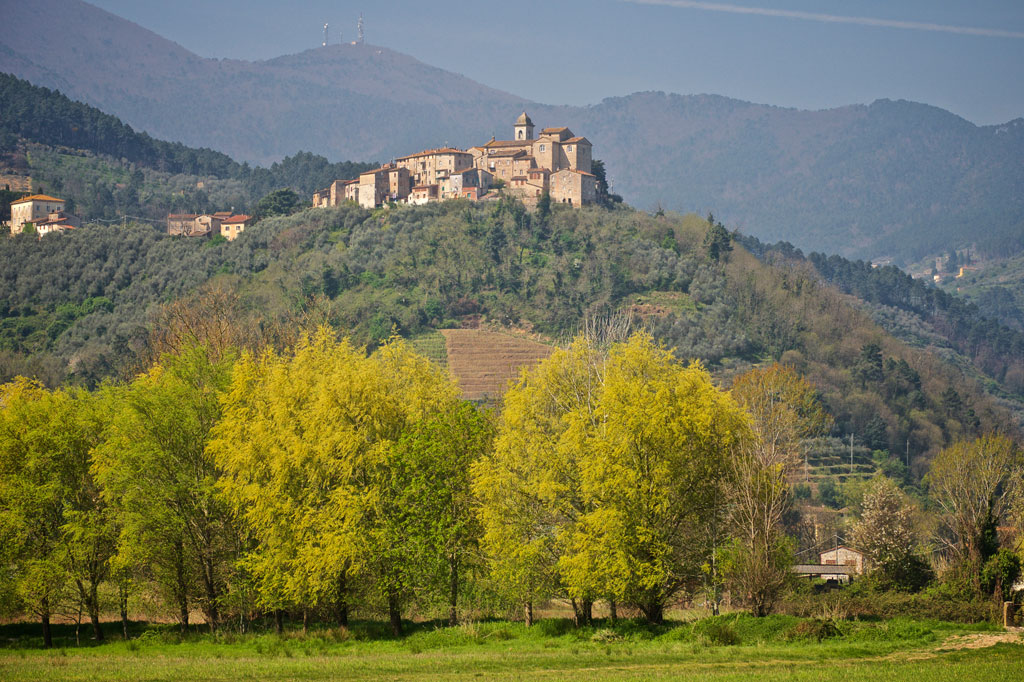
In Central Italy's Monte Pisano region, University of California, Santa Cruz anthropologist Andrew Mathews uncovered a fascinating history of fire management. Through oral history interviews with elderly residents, Mathews learned how everyday activities of rural life once inadvertently created fire-resistant landscapes.
Peasant women and children routinely collected leaf litter from forests, using it as bedding for livestock and fertilizer for olive groves. Shepherds grazed their flocks in the forests and occasionally conducted controlled burns. These practices, combined with widespread collection of firewood and foraging, kept the forest floor remarkably clear of potential fuel for wildfires.
Mathews estimates that leaf litter collection alone may have removed 30-40% of the vegetation produced annually in these forests. The result was a landscape dramatically different from today's overgrown, fire-prone forests. If a fire did start, it was quickly noticed and extinguished due to the constant human presence in the forests.
The Decline of Traditional Practices
However, these practices were largely forgotten as rural areas depopulated and modernized in the mid-20th century. Forestry policies focused on timber production banned traditional burning practices, while the work of peasant women and shepherds was disregarded due to classism and sexism. The result? Forests became overgrown, increasing wildfire risk.
The Hanazawa Village Study: Community-Based Fire Prevention in Japan
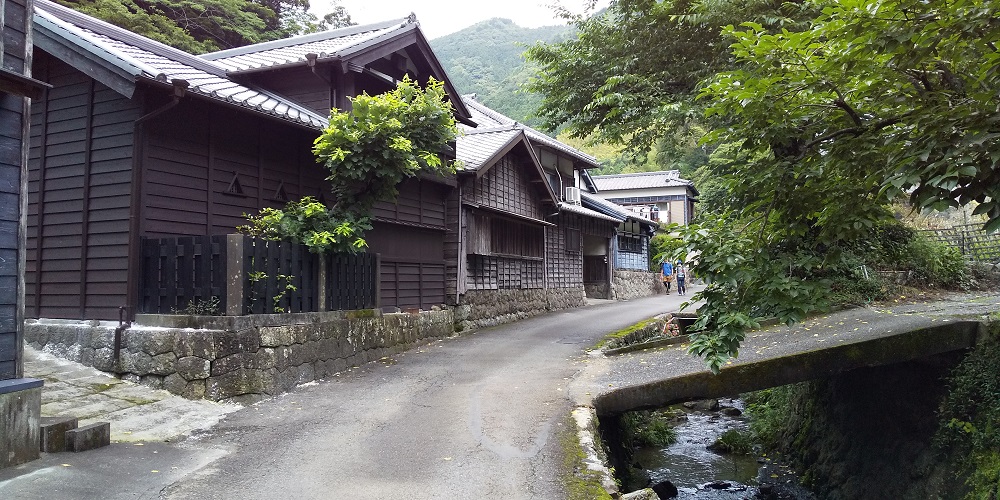
Meanwhile, in Japan, a study of the Hanazawa preserved historical mountain village reveals how traditional architecture and community cooperation can play vital roles in fire prevention. The village, composed mainly of traditional wooden buildings, faces high fire risks due to its dense layout and aging structures.
However, researchers found that residents maintain a strong sense of collective responsibility for fire prevention. This community spirit, combined with carefully planned fire safety strategies, helps mitigate the village's inherent vulnerabilities.
The study proposes a fire safety plan that blends traditional practices with modern technology. It suggests using wireless interconnecting alarms to create a village-wide fire detection network, complemented by easy-to-operate firefighting equipment suitable for elderly residents. This approach respects the village's historical character while enhancing its fire resilience.
Indigenous Practices in Canada: The Westbank First Nation
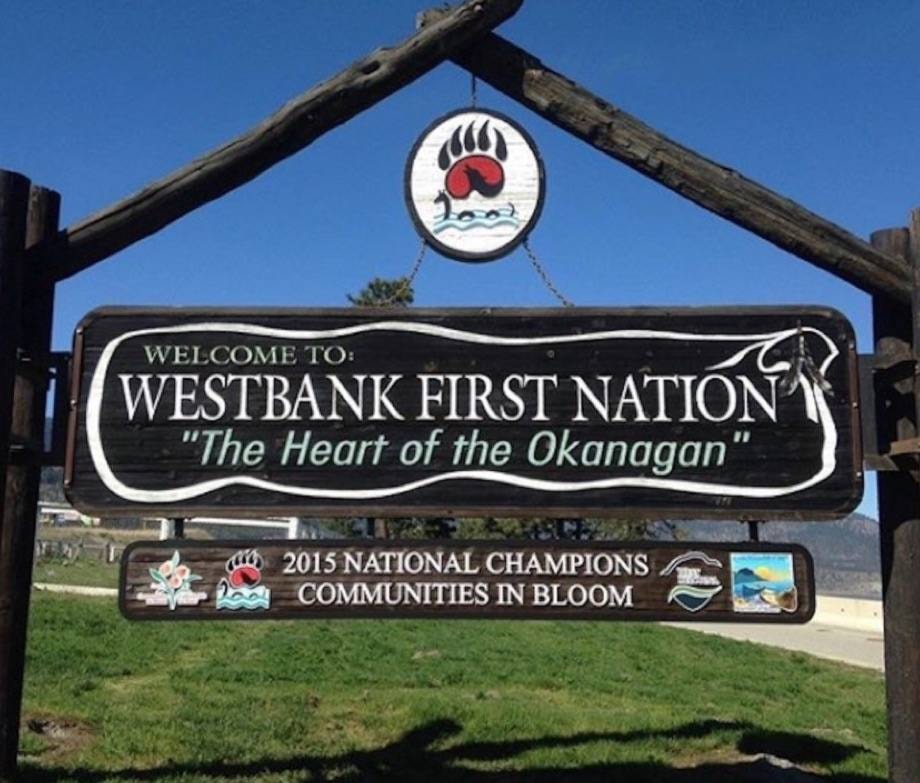
In British Columbia, the Westbank First Nation (WFN) is demonstrating how thousand-year-old practices can be at the core of effective wildfire mitigation efforts. The WFN Community Forest has successfully implemented traditional methods that have proven crucial in recent wildfire events.
In 2021, when the Mount Law wildfire threatened the area near West Kelowna, mitigation work conducted years earlier helped slow the fire's spread and reduce its intensity. This work, informed by traditional syilx (Okanagan) practices, involved removing ladder fuels, spacing out mature trees, and carefully managing surface fuels.
These practices have been a part of syilx culture for thousands of years.
A blend of traditional and modern approaches is evident, the mitigation work sets the stage for more frequent controlled burns in the future, aligning with traditional syilx practices of cikilaxwm (low-intensity, controlled burning).
The Human Factor in Fire Prevention
The studies highlight a crucial point: effective fire prevention isn't just about technology or policy—it's also about people, traditional knowledge, and community cooperation. As Canada and other countries grapple with increasing wildfire threats, insights from rural Italy, Japan, and Indigenous Canadian practices offer valuable lessons.
The underlying principles of understanding local ecosystems, valuing traditional knowledge, and fostering community involvement could inform more effective, culturally appropriate fire management strategies.
These examples remind us that in our search for solutions to modern problems, we shouldn't overlook the wisdom of the past. The "hidden heroes" of fire prevention—the peasant women, shepherds, and village elders who once kept their communities safe—may still have much to teach us about living safely with fire in a changing climate.