






Vertebrate Evolution: Ancient Retroviruses and Myelination

As vertebrate organisms have evolved over time, ancient retroviruses have quietly shaped the development of our brains, playing a surprisingly important role in moulding them into the complex organs they are today.
A recent research article published in Cell, on February 15th 2024,…
Reading Time – 7 minutes
Difficulty Level – 2/5

How do Bacteria Communicate with Each Other?

Bacteria are single celled microscopic organisms that populate every surface on earth. They are constantly adapting to changes in their environment and have evolved amazing ways by which to thrive in their specific niches. Amazingly, cells not only respond to stimuli in an …
Reading Time – 5 minutes
Difficulty Level – 2/5
Building Resilience With Science – Helping Young People Stay Strong In Tough Times

In today’s fast-changing world, things can feel really different and sometimes overwhelming for young people. Between dealing with school pressures, the constant buzz of technology, and all the changes happening around us, it’s no wonder…
Reading Time – 7 minutes
Difficulty Level 1/5
The James-Lange Theory

Can you imagine being terribly angry? What will happen if suddenly all the physical signs of anger vanish? It would be hard to stay angry, wouldn’t it? Similarly, imagine feeling extremely anxious on a first date, but what if the sweat and rapid heartbeat suddenly disappeared? You’d probably feel entirely different. Until the end of…
Reading Time – 6 minutes
Difficulty Level 1/5
Navigating the Skies: The Fascinating World of Bird Migration

Every year around April, the Arctic tern, weighing just four ounces, begins one of the most extraordinary displays of endurance in nature. Undertaking one of the longest migrations in the world, the formidable bird travels from…
Reading Time – 10 minutes
Difficulty Level 1/5
Microbial Manufacturing

What are microorganisms and why should we care about these microorganisms? Microorganisms are incredibly small living organisms that have a significant impact on the world around us. We should care about them because they can make stuff that we use in our daily lives…
Reading Time – 6 minutes
Difficulty Level 2/5
Unveiling the Symphony of Teeth

The remarkable architecture of our teeth consists of five distinct surfaces: the Mesial surface, the Distal surface, the Occlusal surface, the Lingual surface, and the Buccal surface. While these terms define the topography of a tooth, let’s look beyond…
Reading Time – 4 minutes
Difficulty Level 1/5
What is Cancer and Why is it so Difficult to Treat?

Almost every individual is personally impacted by cancer, either through a personal diagnosis or the diagnosis of a friend or family member. Most of the population is aware that the disease can exist in many parts of the body, at any age…
Reading Time – 9 minutes
Difficulty Level 3/5
What is Focused Ultrasound and How can it be used to treat Brain Disorders?

We are continuously surrounded by an array of sound waves; some we can hear and many we cannot. But what is a sound wave? Essentially, sound waves are a type of energy that is released when an object…
Reading Time – 8 minutes
Difficulty Level 2/5
The Anatomy of a Tooth – Just in case you ever wondered
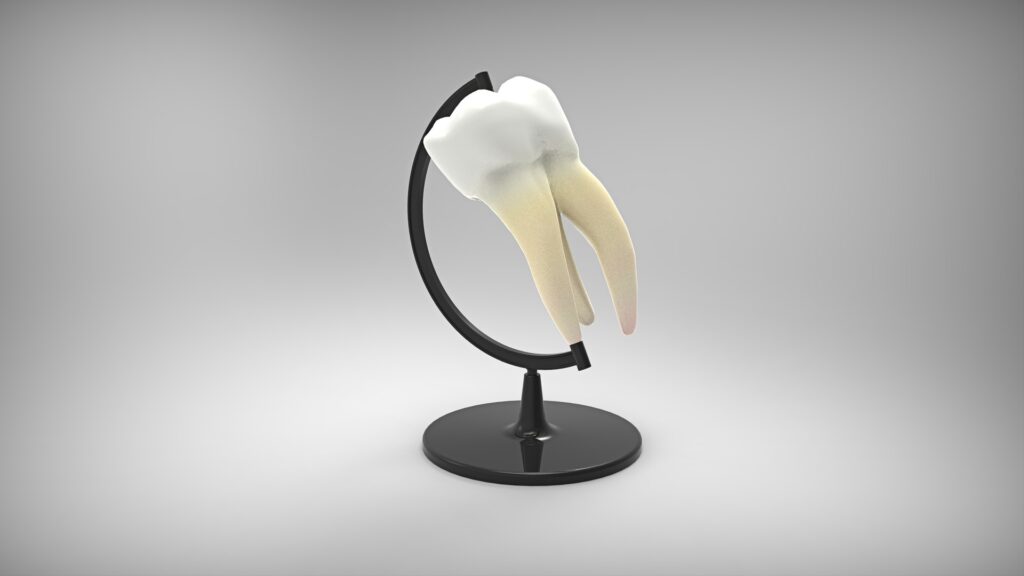
Teeth, oh what fascinating little things they are! While kids may see a tooth as a prize for the
tooth fairy, dental professionals take a closer look at the intricate details. A tooth has two main
parts: the Crown and the Root…
Reading Time – 8 minutes
Difficulty Level 2/5