






The Integrated Sachs-Wolfe Effect: How Empty Space Leaves Its Mark on Ancient Light
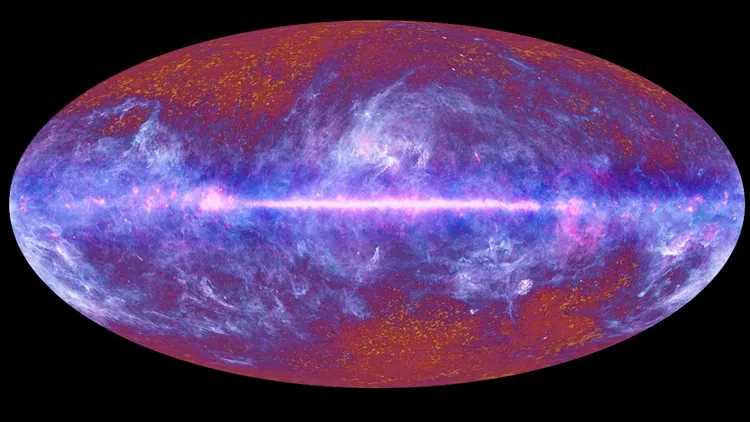
The Cosmic Microwave Background – the faint afterglow of the Big Bang – has been travelling through the universe for nearly 13.8 billion years. In that time, it hasn’t just been drifting through empty, static space. It has been passing through a universe that is constantly changing — expanding, forming structures, growing voids.
And that journey has left marks.
Climbing In and Out of Gravity Wells…
Reading Time – 3 minutes
Difficulty Level – 3/5

Rough Guide to Biology and Biotechnology: Chapter 7 – Bacteria in Space
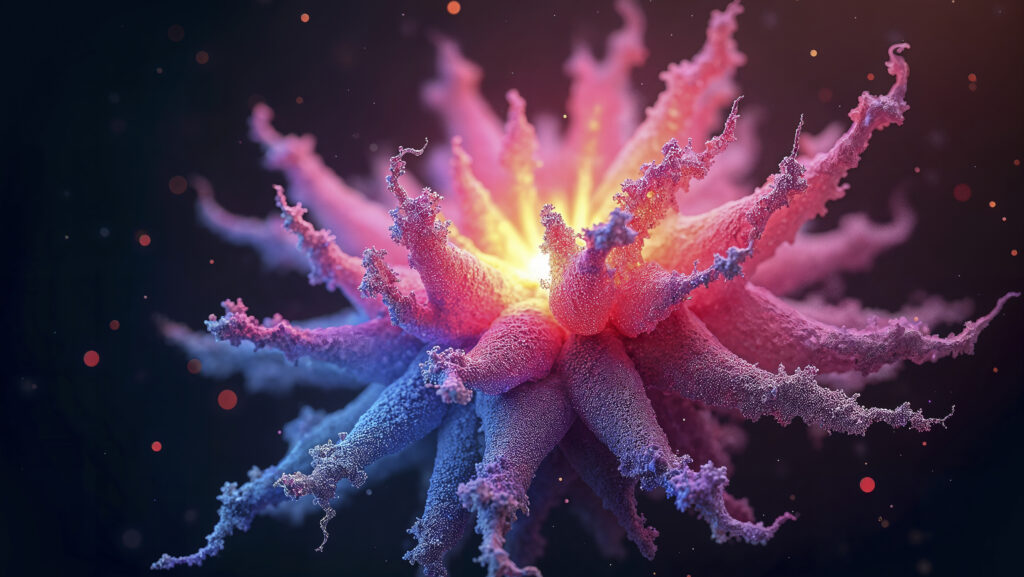
Imagine you are in space. You’re floating at the observation window and you can see vast galaxies, stars, asteroids, everything swallowed by black and studded with light.
You see the beauty of the world, how small you are compared to the vast entirety . . . when you sneeze.
Stiffening, you float to your medical emergency kit and take out the antibiotics that were given to you. The ship’s diagnostic flags an infection -…
Reading Time – 6 minutes
Difficulty Level – 2/5
Microfluidics Applications in Space Biology Research: An Overview
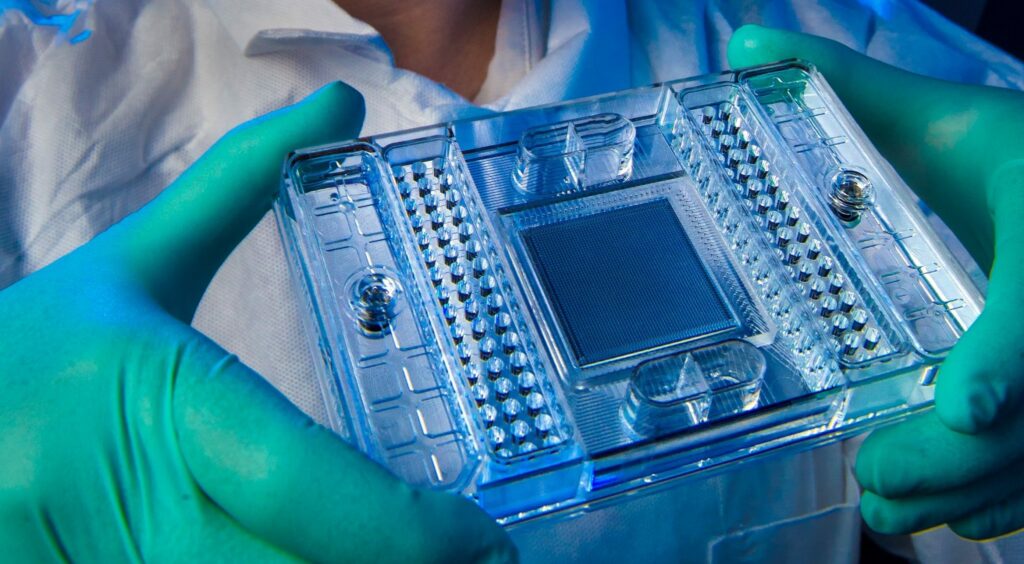
Microfluidics is the art of manipulating minute volumes of fluids in microscale environments to accomplish a variety of objectives. As it stands, microfluidics have become an invaluable tool in biological research, especially in the unique contest of space. As humans venture further into space…
Reading Time – 6 minutes
Difficulty Level – 3/5
3… 2… 1… Liftoff! Your Body on Microgravity

Amongst the starter pack of STEM-related occupations, it’s safe to say that everyone’s wanted to be an astronaut at some point— after all, who doesn’t want to travel into space? I mean you get to see the Earth like this!
Becoming an astronaut is hard work. You need to have at least a master’s degree (usually in a STEM field) along with two years of training and pass…
Reading Time – 8 minutes
Difficulty Level – 2/5
Jellyfish in Space – A Case Study of Microgravity

In 1994, NASA sent jellyfish to space to investigate how microgravity can impact their sense of balance. Scientists launched a jellyfish species Aurelia aurita on the Space Life Science-1 (SLS-1) mission on the Space Shuttle Orbiter Columbia at the beginning of their life cycle and carefully observed their gravity sensing receptors for approximately 9…
Reading Time – 7 minutes
Difficulty Level – 2/5
Christa McAuliffe: Space, Our New Frontier for All
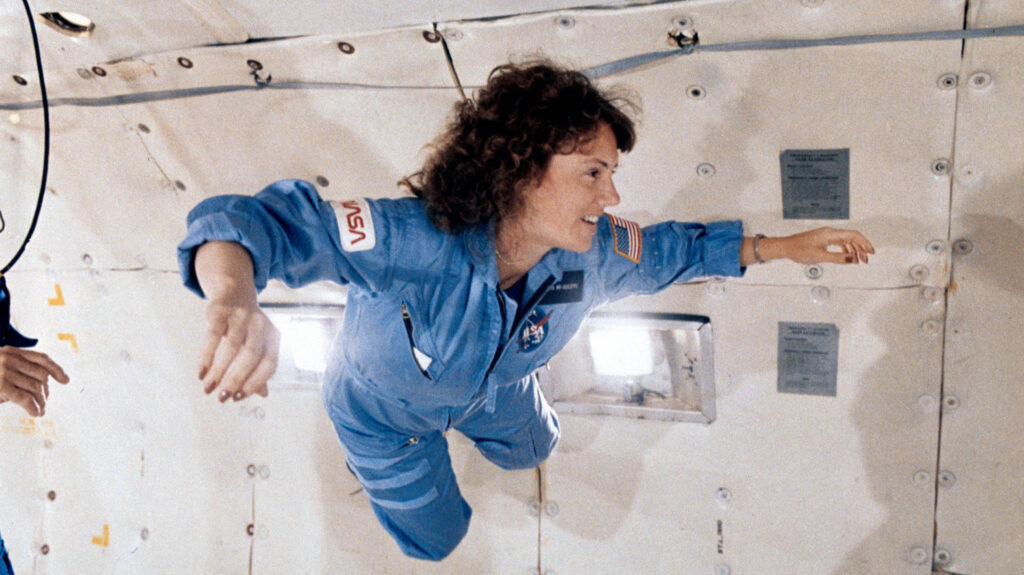
These words resonate with the idea that space represents an uncharted frontier for humanity, one that is meant for everyone. Christa McAuliffe, a high school teacher from Concord, New Hampshire, tragically lost her life in the Challenger…
Reading Time – 12 minutes
Difficulty Level 1/5
Human Adaptation to Space – Lessons from Anthropology
Humanity’s quest to explore space has led to remarkable achievements, but venturing beyond our planet presents unique challenges. The successful colonization of space hinges not only on technological…
Reading Time – 10 minutes
Difficulty Level 2/5