
The current scale of meat consumption presents environmental and sustainability challenges. Research has examined various aspects of this topic, including environmental impacts, animal welfare considerations, food safety, and public health concerns1.
That said, dietary protein is essential to building enzymes (which drive our metabolism), hormones (which send chemical messages throughout the body), and even antibodies (part of our immune system that protect us from foreign substances).
On top of that, in order to stay healthy, we need a variety of protein building blocks called amino acids, all of which are abundant in meat, eggs, and dairy. A lifestyle based on fewer animal products requires protein from a variety of alternative sources in order to fulfill that need. Similarly, isolating scarce ingredients from plants and animals can be both costly and wasteful. Although we can always make everyday decisions that improve our food footprint, eco-friendly options need to be an easier choice for consumers2.
So how is it that we can practically eliminate most of these issues while maintaining the quality of substitutes?
Precision Fermentation 101
Rather than growing existing organisms to be eaten, precision fermentation involves engineering living systems to assemble desired molecules. Fungi like yeast are simply tiny microorganism factories that have evolved over eons to produce organic molecules (carbon-based and often complex molecules that life depends on) like the ones they use for energy or for building their own cells. While traditional fermentation takes advantage of their original processes to add unique flavors to foods, precision fermentation alters the machinery already present in microorganisms, hosting the production of specific substances3.
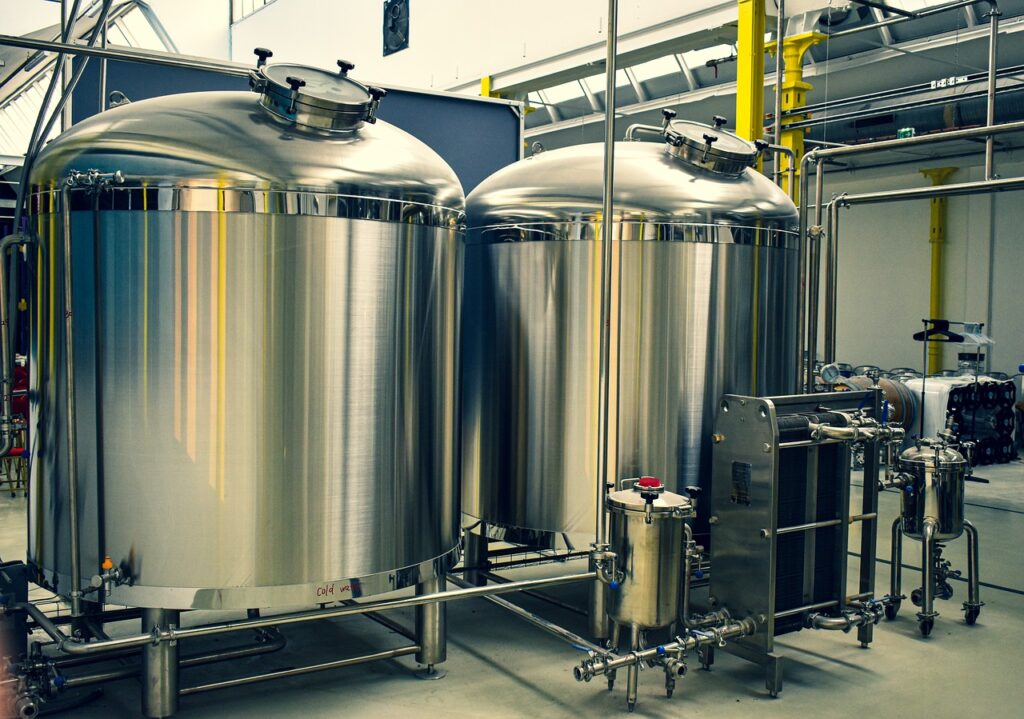
Some useful ingredients like flavors, enzymes, and proteins are much too expensive to extract from sources that already exist.3 That said, these valuable components can be selected as “target molecules” to be manufactured by microorganisms. For example, we aren’t limited to isolating insulin from livestock glands anymore; we now produce it with the help of E. Coli. The bacteria are altered to assemble insulin proteins that are later used as medication 4. In nature, organisms that efficiently produce target molecules may already exist. Alternatively, they can be engineered by inserting genes that cause the microbe to produce those molecules intentionally5.
Due to their production process, sensory qualities of these proteins are highly customisable.
Different genes, fermentation environments, and organisms can produce molecules for specific purposes. Precision fermentation uses a controlled process with specific inputs, which can differ from traditional livestock farming methods. This means substantially reducing emissions, water use, and unwanted byproducts.
They can also be engineered to avoid food waste or flavor issues associated with the bones and structures that are inedible byproducts of animal meat. Plant-based alternatives offer additional dietary options. These foods can provide complete protein sources and may be suitable for various nutritional needs. and for those with limited options in their diet5.
Where Do We See It on Our Plates?
Precision fermentation isn’t so obscure as it may seem in everyday life.
In fact, many vitamins and supplements contain nutrients that are currently produced by microorganisms. They can even be found in ordinary fortified foods like cereals containing B125. Some store-bought meat alternatives already have target molecules on their ingredient list to make substitutes full of that characteristic meaty flavor without any animal involvement. Considering how easy it is to replicate the texture of meals like ground beef, livestock-free burgers have become one of the leaders in commercializing precision fermentation and have already hit the shelves6.
However, meat analogues aren’t the only place we can dig into fermented proteins.
This modern field is finding applications in everything from dairy proteins to the structures found in eggs.
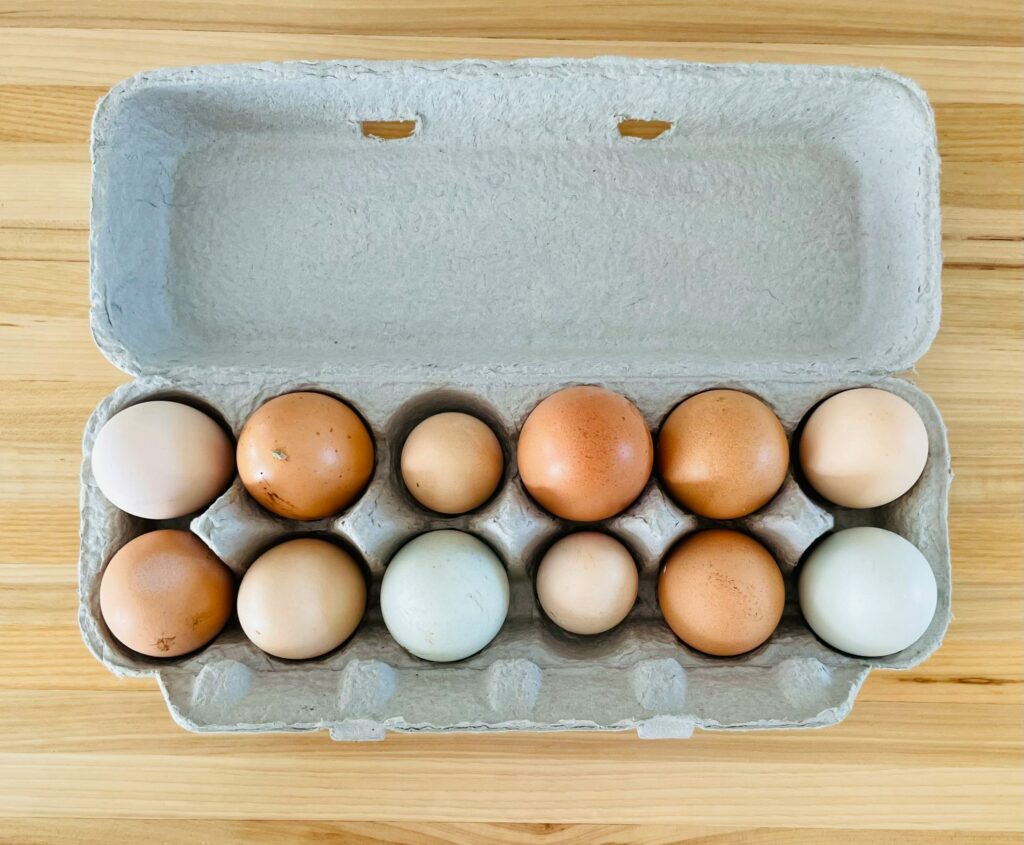
Taking the place of dairy cows, microorganisms now have the power to add protein to alternative milk, protein powders, yogurts, and even ice cream! These biologically identical proteins revolutionize household staples and delicious treats not by changing the product, but by changing the origin7. Production of pure egg protein also opens doors to the unique consistency and properties that make eggs an invaluable ingredient in meringue, omelettes, and perfectly textured baked goods. The proteins are exactly the same as ones developed in chicken eggs, ready to transform traditional animal-free treats8.
Even with these innovations blooming, precision fermentation is only in its baby steps as an industry.
The future of food is in circular agriculture, meaning that the waste created by a production line will be used later within the same system. With the rise of precision fermentation, developing infrastructure has the potential to take advantage of farm waste as a feedstock for the yeast themselves8.
This technology has potential applications in various fields, including health and medicine. A California-based company is developing sugar alternatives made of sweet-tasting proteins normally isolated from the West African fruit called oubli. With this new set of modern tools for manufacturing proteins outside of the original organism, the sweeteners could be scaled realistically and economically to suit consumer demand9.
In the advent of precision fermentation, the world is only beginning to benefit from the marvels of precision fermentation. It’s safe to say that the ice cream of the future may well come from something much tinier and much mightier than an ordinary dairy cow.
Sources:
- Askew, K. (2022, February 15). Sweegen leverages precision fermentation to scale brazzein sweetener: “we’re exploring new food and Beverage Frontiers.” https://www.foodnavigator.com/Article/2022/02/15/sweegen-leverages-precision-fermentation-to-scale-brazzein-sweetener-we-re-exploring-new-food-and-beverage-frontiers
- The Good Food Institute. (2018). Meat's Sustainability Problem. The Good Food Institute. Retrieved April 8, 2024, from https://gfi.org/images/uploads/2018/10/AnimalAgEnvironment.pdf
- Nicholson, A. (2022, August 17). Alternative Protein Sources. National Academies of Science. National Library of Medicine. https://doi.org/10.17226/26826
- Specht, L. (n.d.). The Science of Fermentation. The Good Food Institute. Retrieved April 11, 2024, from https://gfi.org/science/the-science-of-fermentation/
- Reshetnyak, A. (2024, April 17). Precision fermentation: Past, present, and future promise. FoodUnfolded. https://www.foodunfolded.com/article/precision-fermentation-past-present-and-future-promise
- Molnár, G. (2023, January 17). Is precision fermentation the key to authentic alt protein?. Bright Green Partners. https://brightgreenpartners.com/precision-fermentation/
- Brown, P. (2018, March 2). Heme, health, and the plant-based diet. Impossible Foods. https://impossiblefoods.com/blog/heme-health-the-essentials
- Nth Bio. (2023, September 15). Key partners using profermTM premium whey protein. Perfect Day. https://perfectday.com/made-with-perfect-day/
- Our Way. Onego Bio. (n.d.). https://www.onego.bio/ourway