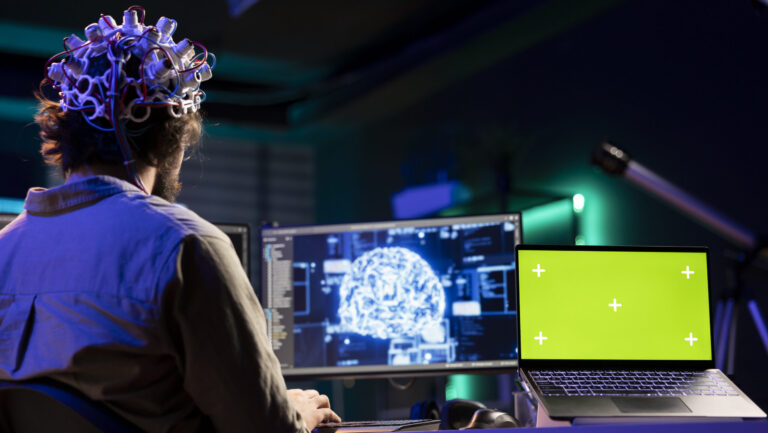
- Tiny Brains, Big Insights: Fruit fly brains process smells using algorithms that mirror similarity search problems in computer science, leading to more efficient AI systems for medical imaging and large dataset analysis.
- Biological Cybersecurity: The human immune system's ability to learn, adapt, and remember threats is inspiring computer scientists to develop smarter, more flexible cybersecurity systems and malware detection tools.
- Natural Network Design: Plant branching patterns and leaf vein structures solve resource distribution problems that engineers now use as blueprints for designing transportation systems and data-routing networks.
Since the start of summer, I’ve been locked in a losing battle with fruit flies over my fruit basket. No matter how many times I cover the peaches or hide the bananas, somehow, they always win. It made me reminisce about my university days, when fruit flies stayed perfectly still under a microscope in my genetics class instead of dive-bombing my food. But Saket Navlakha, a computer scientist at Cold Spring Harbor Laboratory, sees something far beyond either of those versions. To him, fruit flies are part of a massive, decentralized computer solving problems in ways we are just beginning to understand.
That perspective may sound unusual, but it’s part of a growing field that studies how living creatures process and act on information. And once you start looking at biology through that lens, the parallels with computer science start to reveal.

Nature as a problem-solving machine
From the beginning of life, organisms have had to solve problems to survive. How do you find food without becoming food yourself? How do you grow and maximize resources? How do you recognize and fight off invaders?
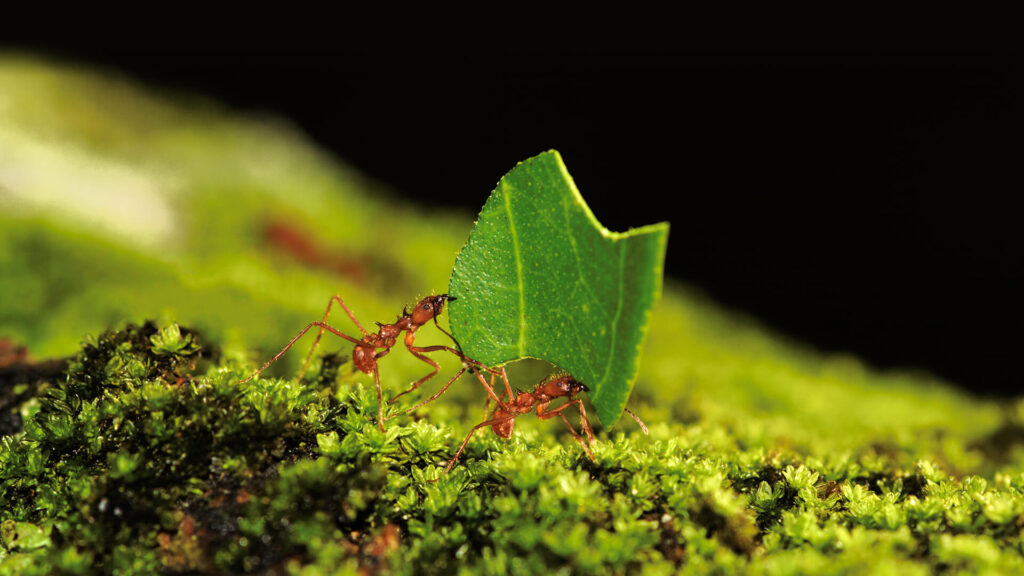
Biology’s solutions to these problems often resemble carefully designed algorithms. For instance, ant colonies distribute food-gathering tasks without any central leader, mirroring distributed computing systems in technology. Plants grow branches in fractal-like patterns that optimize light capture and nutrient transport, similar to geometric optimization in engineering. Biological systems work efficiently with strategies that computer scientists can adapt for their own technologies.
Big lessons from tiny organisms
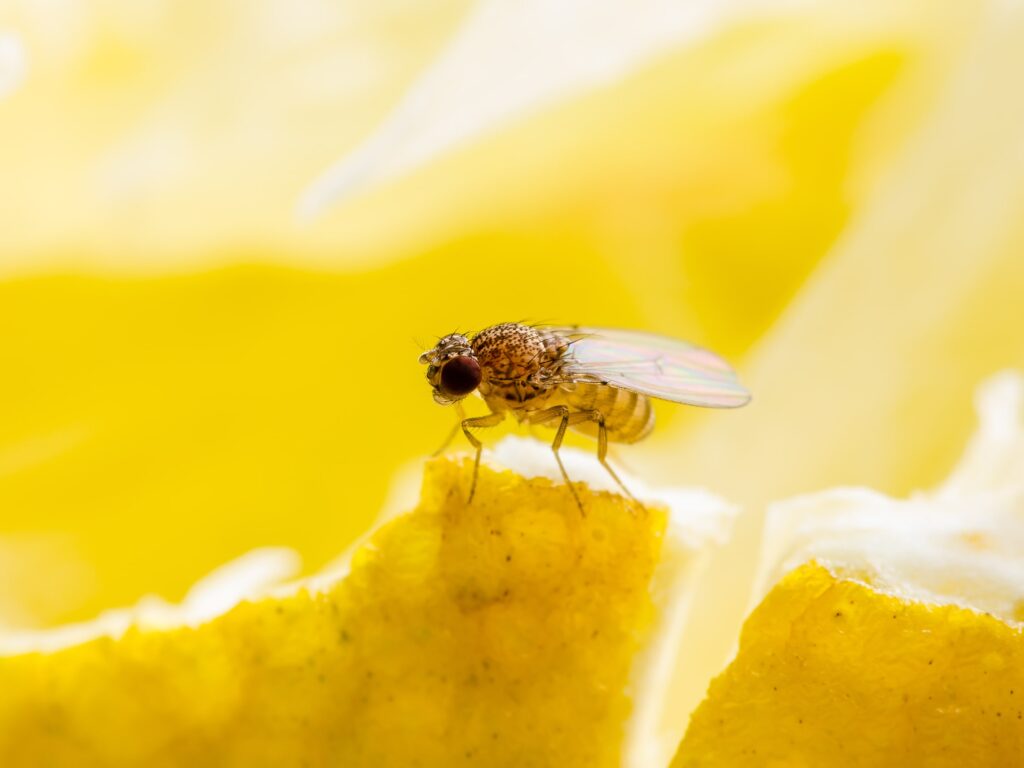
Even the smallest creatures hold secrets to algorithms. Take the fruit fly. Its brain, no bigger than a poppy seed, helps it sort odors into “good” or “bad” categories with remarkable efficiency. Researchers like Navlakha studying the fly’s neural circuits discovered that the way it processes smells resembles a type of “similarity search”, a problem computer scientists also face when designing search engines or image-recognition tools.
By mimicking the fruit fly’s odor-processing algorithm, researchers have created more efficient ways to sort through medical images and other large datasets. In other words, the pesky insects in my kitchen helped improve some of the same technologies that power modern AI and healthcare.
Nature’s firewall
Your body fights off pathogens every day with a defense system more complex and adaptive than any computer program in the world. Your immune system learns, adapts, and “remembers” past infections so it can respond faster next time. Computer scientists are becoming increasingly interested in these strategies and their use in creating firewalls and malware detection in cybersecurity. Instead of trying to brute-force every possible threat, the immune system prioritizes efficiency. This approach could inspire smarter, more flexible security systems for technology.

Plants and growth algorithms
Look at the way a tree branches or the veins in a leaf spread. Plants solve a geometric problem on how to distribute limited resources, like water and sunlight, across a growing body. Engineers and computer scientists are now studying these branching patterns as blueprints for designing networks, from transportation systems to data-routing structures. The same natural features that help a tree grow efficiently could help people and information move more effectively.

Whether it’s the brain of a fly, the defense system in your body, or veins on a leaf, biology is full of elegantly designed algorithms that rival our best computer programs. By studying these systems, scientists are finding solutions to some of the hardest challenges in technology, medicine, and engineering.
Sources: