We just completed the Western celebration of Halloween, originally a pagan festival with Celtic origins, when the recurring motif of a warty-old witch bent over her bubbling cauldron of brews and potions may come to mind. Some may question what this hag is up to: love potions? A cursed soup? Is it all ‘double, double toil and trouble’, or, is she perhaps simply stewing up some foraged plants to yield useful medicinal compounds to help treat sick locals?
Ancient Roots of Herbalism

The history of herbalism dates back as far as prehistoric times. Some of the earliest written records of herbal medicine include the Sumerian clay tablets from over 5,000 years ago, Ancient Ayurvedic texts from India dating back at least 5,000 years and Egyptian Ebers Papyrus from around 1,500 BCE.
In fact, ancient civilizations developed sophisticated herbal medicine procedures; there is evidence of herbal use dating from the Bronze Age Shang dynasty of China where the Emperor, Shennong, was said to have written the first Chinese pharmacopoeia listing 365 medicinal plants. The Greeks and Romans also studied and documented herbal medicine extensively, with “De Materia Medica” written by Dioscorides in the first century CE becoming a primary herbal reference in Europe for centuries (Wachtel-Galor & Benzie., 2011).
Herbalism, Witchcraft, and Misconceptions

Whilst herbalism is not inherently tied to witchcraft, there are some historical and cultural connections between the two practices. Particularly during the European witch hunts, herbalists and individuals with plant knowledge were often easy targets and if not persecuted simply out of undeclared self-interest or animosity were sometimes persecuted as witches due to misunderstandings and fear of their healing abilities. Many of these herbalists were women who passed down traditional plant knowledge through generations, but this folk wisdom was often met with suspicion by religious and medical authorities, leading to accusations of witchcraft.
While some modern practitioners of witchcraft or paganism incorporate herbs into their spiritual practices, herbalism itself can be entirely separate from any spiritual context. Despite lingering misconceptions that link herbalism to witchcraft, contemporary herbalism is generally recognised as a form of alternative or complementary medicine, focused on the pharmacological properties of plants rather than any mystical attributes (Llanes et al., 2022). The connection between herbalism and witchcraft varies across different cultures and time periods, and in many cultural traditions, herbal medicine has been practiced without any ties to magic or superstition.
Herbalism and Modern Medicine Divergence
The history of herbalism and the history of medicine are not mutually exclusive although it could be considered that the emergence of germ theory over the past couple of centuries may have caused a more distinct divergence between the two.
What is germ theory?
It is a fundamental principle in medicine that states specific microscopic organisms, known as pathogens or germs, are the cause of many diseases. This theory has since revolutionised the way we understand disease and medical practices (National Research Council (US) Committee to Update Science, Medicine, and Animals., 2004). Prior to this theory, diseases were often attributed to miasma theory (‘bad air’) or spontaneous generation (Jiang & Xie., 2022). Consequently, this recent shift has represented a paradigm change in medical thinking and practice.
Global Trends in Herbal Medicine
The evidence-based use of pharmaceutical drugs, commonly derived from medicinal plants, has largely replaced herbal treatments in modern health care. Traditional herbalism is still considered a method of alternative medicine. Traditional Chinese medicine which relies heavily on herbalism, still remains prevalent in China. In the 1930s, there was controversy over the practice of herbalism in the UK whilst in the US the government introduced regulations to prohibit the practice.
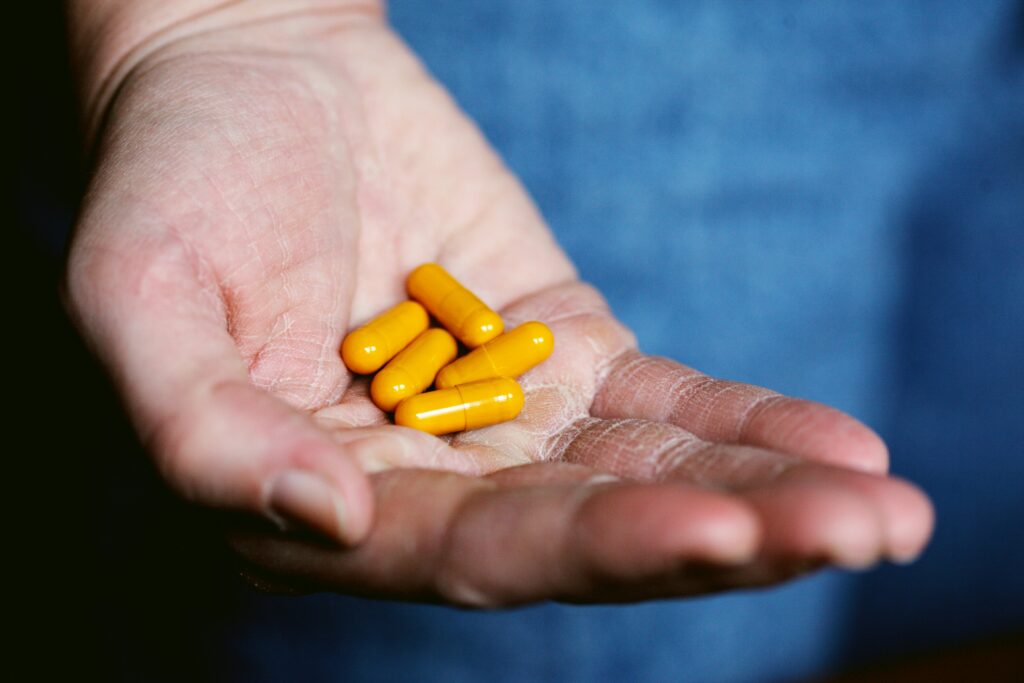
According to the World Health Organisation (WHO), a substantial majority of the world’s population incorporates herbal medicines to some extent into their primary healthcare routines (WHO, 2011). This trend is particularly notable in countries such as Germany, where herbal remedies are widely accepted and integrated into the healthcare system. The German market offers hundreds of plant-based medicinal products, and a significant proportion of German doctors regularly prescribe or recommend these herbal treatments to their patients – approximately 600 to 700 plant-based medicines are available (Wachtel-Galor & Benzie., 2011).
Herbal Medicine Regulation and Safety Concerns
In many countries, however, herbal medicine still remains controversial, especially in countries where a lack of strict regulation and quality control for herbal products still exists. Many issues related to the use of traditional and herbal medicines stem from the fact that, in some countries such as the US, these products are classified as foods or dietary supplements (Wang et al., 2023). Consequently, proof of their quality, efficacy, and safety is not mandatory prior to being marketed.
Similarly, quality testing and production standards are often less stringent or regulated, and traditional health practitioners may not always be certified or licensed. As a result, the safety of traditional and herbal medicines has become a significant concern for both national health authorities and the public (Raynor et al., 2011; Ekor, 2013).
Until 2011, the UK allowed herbal products to enter the market through three regulatory pathways, most commonly as unlicensed remedies that were exempt from specific safety and quality standards (UK Parliament, 2013). In response to this issue, the EU implemented a directive aimed at standardising the regulation of herbal products, mandating that either a conventional product licence be obtained or that a product be registered as a "traditional herbal medicinal product," which would ensure that appropriate safety information and usage instructions were provided (Gatt et al., 2024). However, unregulated and poorly controlled herbal products are still widely available in many developing nations, where often misconceptions regarding the safety of natural products lead to misuse and pose serious health risks.
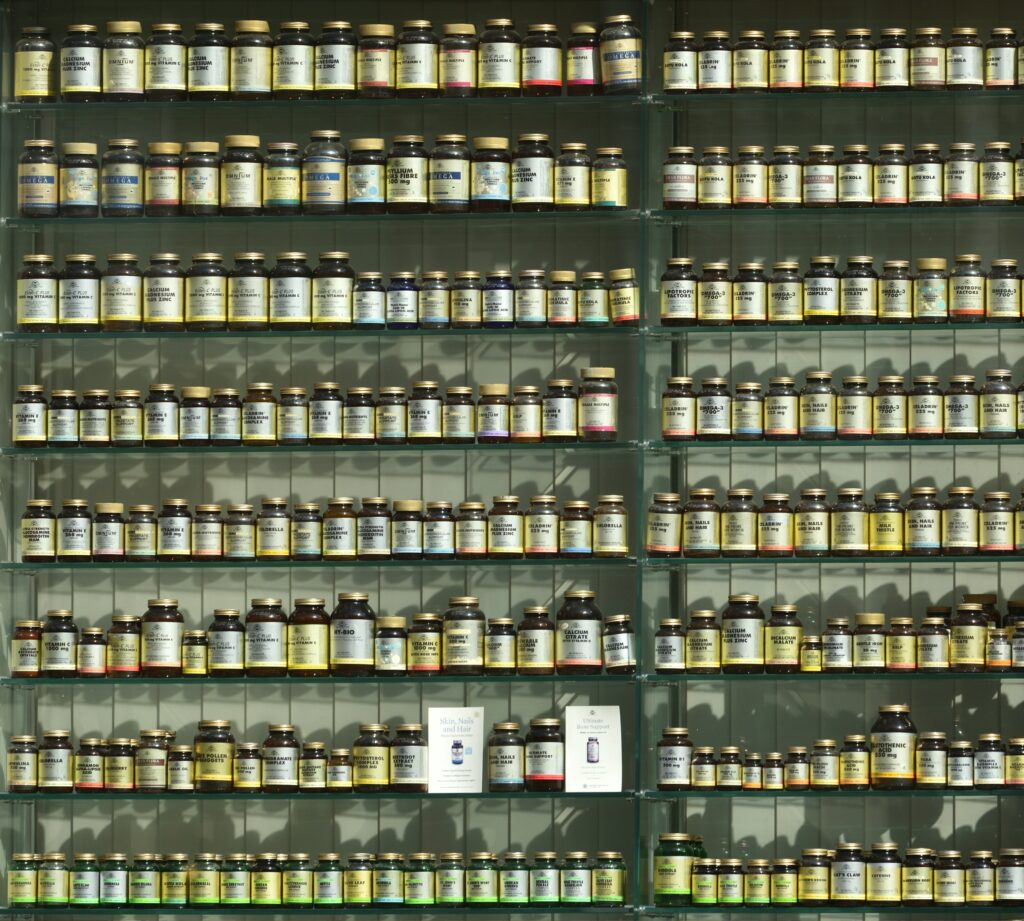
It is still not uncommon for herbal medicines to be introduced into the market without mandatory safety evaluations or proper regulation of manufacturing practices and quality standards. This lack of oversight allows these products to be widely available to consumers, often without prescription or sufficient warnings about potential risks. Furthermore, whilst the practice of prescribing medicines to patients requires a legal medical license in the US, according to the American Herbalists Guild (2014) “there is currently no licensing or certification for herbalists in any state that precludes the rights of anyone to use, dispense, or recommend herbs”. Despite the increasing popularity of herbal remedies, with high usage rates reported globally, there is a common misconception that these natural products are completely safe and free from adverse effects.
In reality, herbal medicines can cause a range of serious health issues, including toxic reactions, organ damage, and even life-threatening conditions. Numerous cases of poisoning and adverse effects have been documented in various countries, highlighting the urgent need for stricter regulations and more comprehensive safety assessments. The likelihood of a herbal medicine causing an adverse reaction depends not only on the treatment and dosage but also on individual factors such as age, genetics, pre-existing conditions, and any simultaneous use of other medications; the intrinsic quality of different herbal remedies is a key factor related to potential toxicity. Current knowledge regarding the risks of herbal remedies must be systematically gathered, communicated, and acted upon. Previously unknown risks should be identified through post-marketing surveillance and experimental studies (Smet 1995).
Although many consumers turn to herbal remedies due to dissatisfaction with conventional medicine, it is essential to recognise the significant health risks that some of these products carry. Therefore, proper oversight, including stringent safety evaluations, regulated manufacturing practices, and transparent quality standards, is critical to ensuring that herbal medicines are both safe and effective for non-prescribed public use.
Double, Double, Toil, and Treatment: The Importance of Regulated and Evidence-Based Herbalism
Modern herbalism justifiably holds a place in general healthcare today, albeit with important caveats and considerations. While traditional herbal knowledge has significantly contributed to the development of many conventional medicines, practising herbalism in its traditional form raises concerns about safety, efficacy, and quality control. However, the growing interest in integrative medicine and the potential benefits of certain herbal remedies suggest that a carefully regulated and evidence-based approach to herbalism would be valuable. Modern herbalism should ideally combine traditional knowledge with rigorous scientific research, emphasising standardisation, quality control, and safety monitoring. This approach would minimise unregulated use of herbal remedies and facilitate bringing their potential benefits to many more people confident in their use. Additionally, where mixtures of herbal and conventional medications are contemplated, better education for both practitioners and consumers about potential interactions and possible side effects is crucial. Herbalism practice today must strive to bridge the gap between traditional wisdom and modern scientific knowledge, ensuring that it complements rather than conflicts with conventional medical care - after all, we wouldn’t want to be sipping a broth without knowing the ingredients of what was bubbling inside the cauldron!
References
- American Herbalists Guild. (2014). Legal and regulatory FAQs. https://americanherbalistsguild.com/legal-and-regulatory-faqs
- De Smet, P.A.G.M. Health Risks of Herbal Remedies. Drug-Safety 13, 81–93 (1995). https://doi.org/10.2165/00002018-199513020-00003
- Ekor M. (2014). The growing use of herbal medicines: issues relating to adverse reactions and challenges in monitoring safety. Frontiers in pharmacology, 4, 177. https://doi.org/10.3389/fphar.2013.00177
- Gatt, A. R., Vella Bonanno, P., & Zammit, R. (2024). Ethical considerations in the regulation and use of herbal medicines in the European Union. Frontiers in medical technology, 6, 1358956. https://doi.org/10.3389/fmedt.2024.1358956
- Jiang, Y., & Xie, J. (2022). Chapter 9 - Nanoparticle-based drug delivery systems for cancer therapy. In Y. Pathak & S. Benita (Eds.), Nanomedicine for Cancer Diagnosis and Therapy (pp. 247-281). Academic Press. https://www.sciencedirect.com/science/article/abs/pii/B9780128229576000090
- Llanes, L. C., Sa, N. B., Cenci, A. R., Teixeira, K. F., de França, I. V., Meier, L., & de Oliveira, A. S. (2022). Witches, potions, and metabolites: an overview from a medicinal perspective. RSC medicinal chemistry, 13(4), 405–412. https://doi.org/10.1039/d2md00025c
- National Research Council (US) Committee to Update Science, Medicine, and Animals. Science, Medicine, and Animals. Washington (DC): National Academies Press (US); 2004. A Theory of Germs. Available from: https://www.ncbi.nlm.nih.gov/books/NBK24649/
- Raynor, D.K., Dickinson, R., Knapp, P. et al. Buyer beware? Does the information provided with herbal products available over the counter enable safe use?. BMC Med 9, 94 (2011). https://doi.org/10.1186/1741-7015-9-94
- UK Parliament. (2013, December 20). Regulation of herbal medicines. House of Commons Library. https://commonslibrary.parliament.uk/research-briefings/sn06002/
- Wachtel-Galor S, Benzie IFF. Herbal Medicine: An Introduction to Its History, Usage, Regulation, Current Trends, and Research Needs. In: Benzie IFF, Wachtel-Galor S, editors. Herbal Medicine: Biomolecular and Clinical Aspects. 2nd edition. Boca Raton (FL): CRC Press/Taylor & Francis; 2011. Chapter 1. Available from: https://www.ncbi.nlm.nih.gov/books/NBK92773/
- Wang, H., Chen, Y., Wang, L., Liu, Q., Yang, S., & Wang, C. (2023). Advancing herbal medicine: enhancing product quality and safety through robust quality control practices. Frontiers in pharmacology, 14, 1265178. https://doi.org/10.3389/fphar.2023.1265178
- World Health Organization. (2011). WHO quality control methods for herbal materials. Geneva, Switzerland. Archived from the original (PDF) on August 1, 2014