






Why Humans Find Flickering Flames Comforting

You light a candle. Almost immediately, your shoulders drop. Your breathing slows. Something quietly signals: everything is okay. But why does a tiny flame have this effect? The answer goes back 400,000 years – to when your ancestors’ survival depended on never letting the fire go out.
Your Brain on Fire
When researchers sat people down and made them watch a flickering fire, something measurable happened.
Blood pressure dropped significantly…
Reading Time – 5 minutes
Difficulty Level – 1/5

Your Ancestors Want You to Sleep In This Winter

Every winter, the same pattern emerges: alarm clocks become our enemies, productivity tanks, and the couch develops an almost magnetic pull. We laugh about “winter hibernation mode,” but what if this isn’t just laziness? What if your body is following ancient instructions written into your DNA thousands of years ago?
You’re Not Lazy – You’re Listening to Your Biology
Here’s what actually happens to humans in winter:
We sleep longer. Studies show humans naturally sleep 1.5-2…
Reading Time – 7 minutes
Difficulty Level – 2/5
Discover the Hidden Cultural Secrets in Your Family Tree
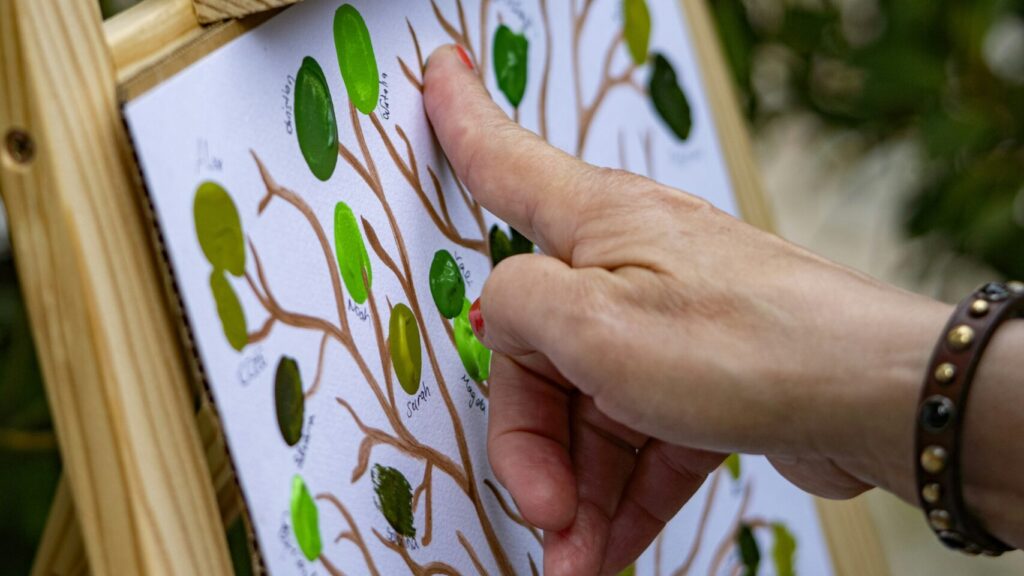
Everyone loves a good family mystery. Who were your great-great-grandparents? Where did your ancestors come from? These questions drive millions of people to genealogy websites every year. But anthropologists look at family trees differently – they see them as maps revealing how entire cultures organize themselves, pass down power, and decide who belongs.
Your family tree isn’t just a collection of names and dates. It’s a window into cultural …
Reading Time – 10 minutes
Difficulty Level – 3/5
Thriving at -40 Degrees: Arctic Survival Techniques

When temperatures plummet to -40°C (-49°F) and darkness stretches across months, survival requires more than luck – it demands ingenuity, accumulated knowledge, and remarkable adaptability.
For thousands of years, Arctic peoples like the Inuit and Sami have thrived in Earth’s most inhospitable environments, developing technologies that show incredible human creativity, and thus turning these environments into home.
The Engineering of Igloos
Perhaps no …
Reading Time – 8 minutes
Difficulty Level – 2/5
Homo Juluensis: The Big-Headed Humans Scientists Can’t Agree On
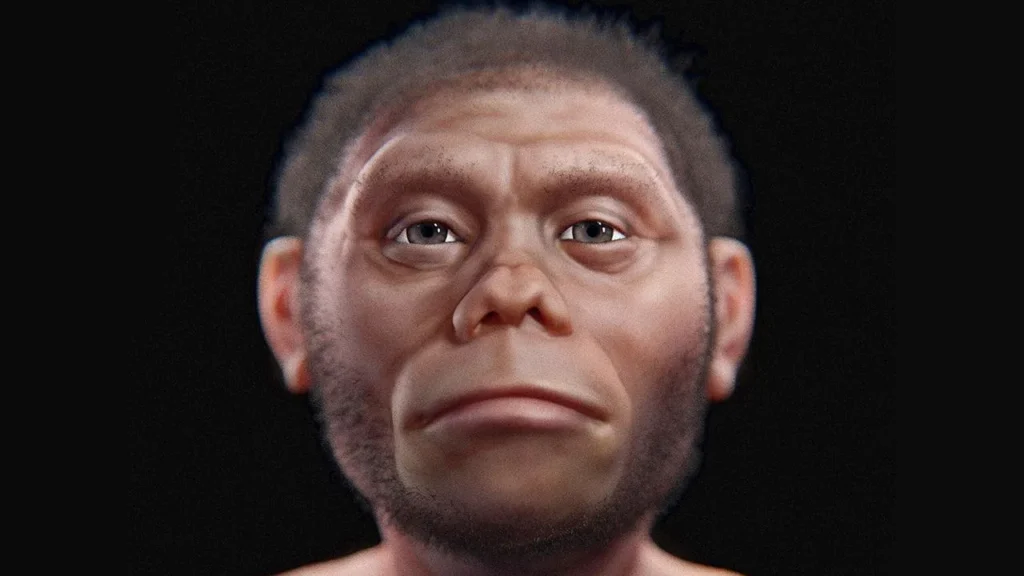
Turns out, Lord of the Rings wasn’t entirely fantasy. For hundreds of thousands of years, Earth really did host multiple human species living side by side. There were Neanderthals, Denisovans, Homo floresiensis (yes, actual “hobbits”), and modern humans. Now, scientists propose adding another to the list: Homo juluensis, meaning “big head people” in Chinese—with brains possibly larger than ours.
But here’s the twist: half the scientific community …
Reading Time – 9 minutes
Difficulty Level – 3/5
Virtual Ethnography in the Metaverse

The foundational insight of virtual ethnography is deceptively simple: if people are spending significant portions of their lives in digital spaces, creating relationships, establishing traditions, and developing shared meanings, then these spaces deserve anthropological attention. Virtual worlds like Second Life, World of Warcraft, and emerging metaverse platforms aren’t just games or entertainment—they’re complex social environments….
Reading Time – 8 minutes
Difficulty Level – 3/5
Ancient Wisdom In Modern Fire Management: Lessons For Mitigating Wildfires

In recent years, Canada has been grappling with increasingly severe and frequent wildfires, leaving devastating impacts on communities and ecosystems alike. The 2016 Fort McMurray wildfire in Alberta forced the evacuation of nearly 90,000 people and caused billions of dollars in damage. Jasper…
Reading Time – 5 minutes
Difficulty Level – 2/5
Neurobiology of Sleep

Humans spend nearly ⅓ of their lives asleep – meaning that someone who is 80 years old has slept for a colossal 26 years of their life. This mind-boggling statistic hints at the immense importance of sleep for the human body and begs the questions – what happens in our brains while we sleep and why is it essential for us to function properly? This article discusses…
Reading Time – 5 minutes
Difficulty Level – 3/5
Stem Cells: Powerful Tools for Research and Therapy Development
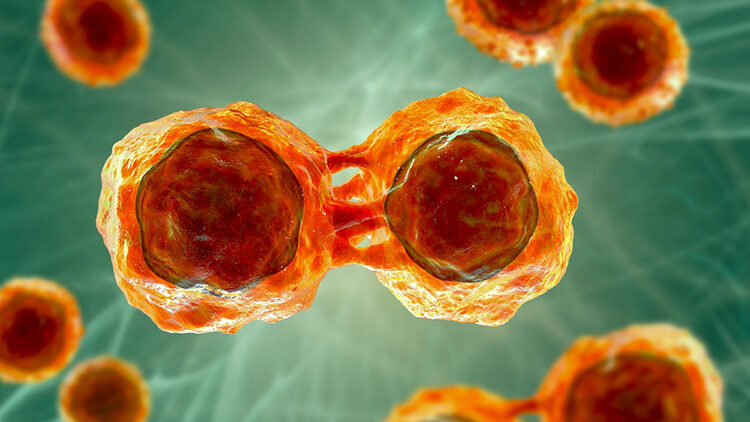
Stem cells are a unique type of cell in the human body that have the remarkable ability to become many different cell types. Due to this special ability, stem cells serve important roles in our body during embryonic development and also throughout our lifespan. In this article, we dive into various functions of stem cells in our…
Reading Time – 6 minutes
Difficulty Level – 3/5
Is cancer a man-made modern disease or has it always existed?
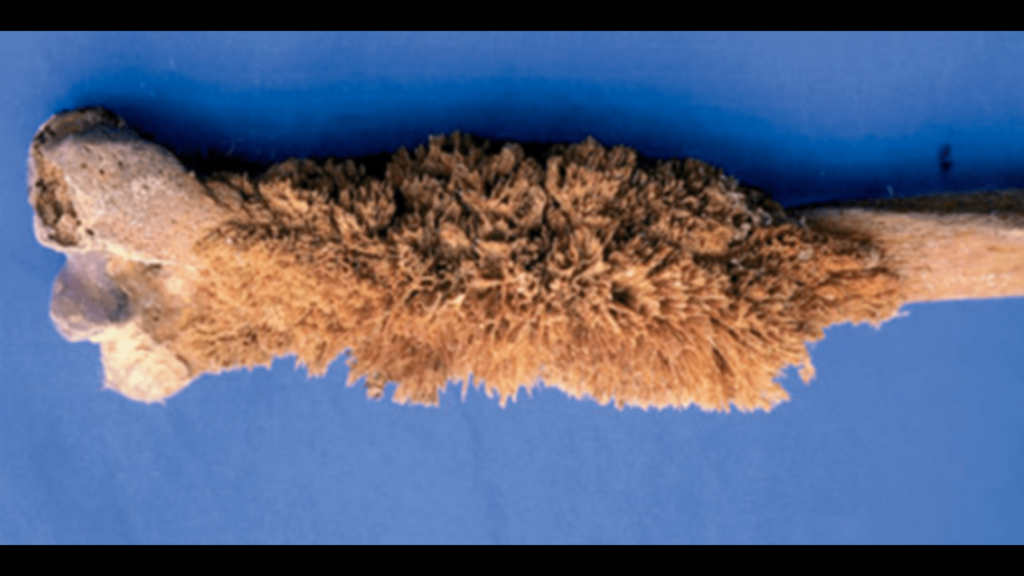
Cancer is one of the leading causes of death worldwide and there is a widespread belief today that it is entirely a byproduct of our modern lifestyles. While this is partially true, there is well-documented evidence of cancer, albeit scarce, recorded throughout history in both humans and animals. The earliest…
Reading Time – 6 minutes
Difficulty Level – 4/5