






The Societal Impact of GLP-1 Receptor Agonists
Glucagon-like peptide-1 (GLP-1) receptor agonists have emerged as a groundbreaking class of medications. Revolutionising the treatment landscape for type 2 diabetes and obesity, they were originally developed to manage blood glucose levels in diabetic patients. These drugs have now since garnered significant attention for their remarkable…
Reading Time – 14 minutes
Difficulty Level – 3/5

What is the Cannon-Bard Theory of Emotions?

The Cannon-Bard theory, developed by Walter Cannon and Philip Bard in the 1920s, proposes that emotions and bodily responses happen at the same time rather than one causing the other.
How Did the Cannon-Bard Theory Evolve?
The Cannon-Bard theory emerged as a response to the earlier James-Lange theory, which suggested that emotions….
Reading Time – 4 minutes
Difficulty Level – 3/5
Microfluidics Applications in Space Biology Research: An Overview

Microfluidics is the art of manipulating minute volumes of fluids in microscale environments to accomplish a variety of objectives. As it stands, microfluidics have become an invaluable tool in biological research, especially in the unique contest of space. As humans venture further into space…
Reading Time – 6 minutes
Difficulty Level – 3/5
Glowing In The Deep: Inside Nature’s Bioluminescent World

As a seven-year-old, no creature was scarier to me than the anglerfish. With its gaping mouth full of razor-sharp teeth, and the world’s creepiest glow-stick dangling from its head. But its eerie glow is a product of one nature’s most fascinating tools—bioluminescence. It’s the same feature that makes fireflies glow…
Reading Time – 4 minutes
Difficulty Level – 3/5
Stop Stressing: What happens to our body in the face of chronic stress and what can we do to stop it?

The stress response is normal, evolutionarily ancient, and important. Back in the days of living in caves, the stress response was particularly useful, in that it would provide the body with the rush of energy needed to, say, (1) make a quick decision to run from a bear, (2) to actually run from….
Reading Time – 12 minutes
Difficulty Level – 3/5
How Your Ham and Cheese Sandwich Boosts Brain Power

“Brain food” is a casual term you’ve probably heard, but never really understood what it meant.
Here we will explore the path that a classic ham and cheese sandwhich takes through the digestive and vascular systems, all the way to the brain to fuel your (energy-demanding) thinking.
More specifically, we will examine…
Reading Time – 6 minutes
Difficulty Level – 2/5
Neurobiology of Sleep

Humans spend nearly ⅓ of their lives asleep – meaning that someone who is 80 years old has slept for a colossal 26 years of their life. This mind-boggling statistic hints at the immense importance of sleep for the human body and begs the questions – what happens in our brains while we sleep and why is it essential for us to function properly? This article discusses…
Reading Time – 5 minutes
Difficulty Level – 3/5
The Rise and Fall of the Lobotomy

Today, treatment for mental health conditions comes in the form of anti-anxiety pills and behavioral therapy. But just 70 years ago, these same conditions were treated with something very different: an ice pick. The lobotomy tells the story of how, and in examining this now shelved medical procedure we are offered a powerful look into how…
Reading Time – 10 minutes
Difficulty Level – 2/5
Stem Cells: Powerful Tools for Research and Therapy Development
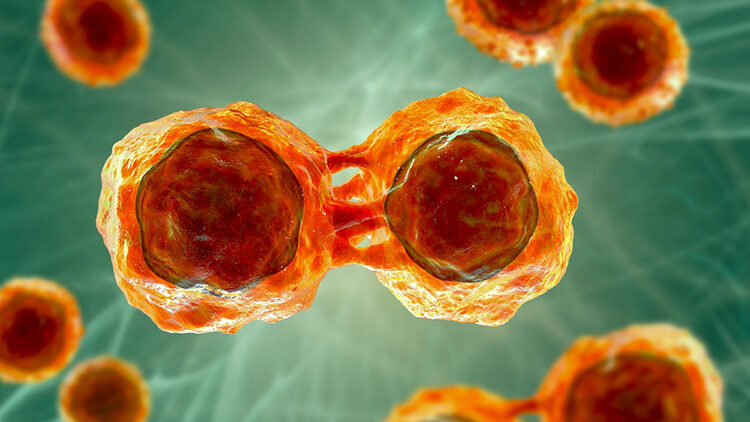
Stem cells are a unique type of cell in the human body that have the remarkable ability to become many different cell types. Due to this special ability, stem cells serve important roles in our body during embryonic development and also throughout our lifespan. In this article, we dive into various functions of stem cells in our…
Reading Time – 6 minutes
Difficulty Level – 3/5
Precision Fermentation: The Micro-factories of the Future

The current scale of meat consumption presents environmental and sustainability challenges. Research has examined various aspects of this topic, including environmental impacts, animal welfare considerations, food safety, and public health concerns1.
That said, dietary protein is essential to…
Reading Time – 6 minutes
Difficulty Level – 2/5