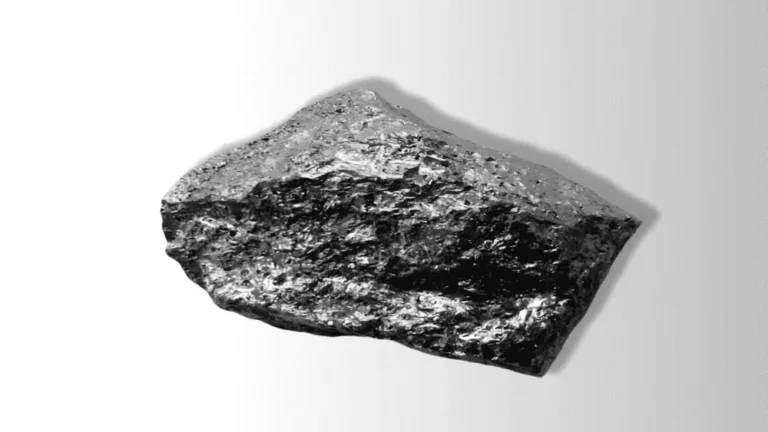
When we hear the word “radiation”
What comes to mind when you hear the word radiation? For many people, it’s nuclear accidents, warning symbols, or scenes from science-fiction movies. I used to think about those things too. But while studying radiation and the environment, I discovered something surprising: radiation is all around us, and most of it is completely normal. Sunlight, radio signals, Wi-Fi, and even some naturally occurring materials in the Earth all involve radiation.Two main types of radiation
Radiation is usually divided into two broad categories. Non-ionizing radiation This type of radiation does not carry enough energy to knock electrons out of atoms. At everyday levels, most of it is considered safe and is simply part of daily life. When we feel warmth from sunlight or use a microwave to heat food, we are interacting with non-ionizing radiation. Examples include:-
- Visible light (what we see)
-
- Infrared radiation (heat)
-
- Microwaves (used in ovens and communication)
-
- Radio waves (used in phones and Wi-Fi)
-
- X-rays
-
- Gamma rays
-
- Alpha and beta particles from radioactive materials
Radiation from the environment
Here’s a surprising fact: every person on Earth is exposed to radiation every day, even if they never visit a hospital or a nuclear power plant. This natural background radiation comes from:-
- Rocks and soil
-
- Cosmic rays from space
-
- Certain foods, such as bananas and potatoes, which contain small amounts of naturally radioactive potassium
-
- Radon, a naturally occurring gas that seeps up from the ground
Sunlight: a powerful form of radiation
The most familiar source of radiation is the Sun. Sunlight contains a mix of visible light, infrared radiation, and ultraviolet (UV) radiation. Visible light and infrared radiation are essential for life on Earth. UV radiation is more complicated. It helps our skin make vitamin D, but too much can damage skin cells and DNA. UV sits at the high-energy end of non-ionizing radiation, which is why it can be harmful even though it’s not classed alongside X-rays. This is why prolonged sun exposure can damage skin, and why sunscreen is important: it reduces the amount of UV radiation reaching the skin.How radiation interacts with matter
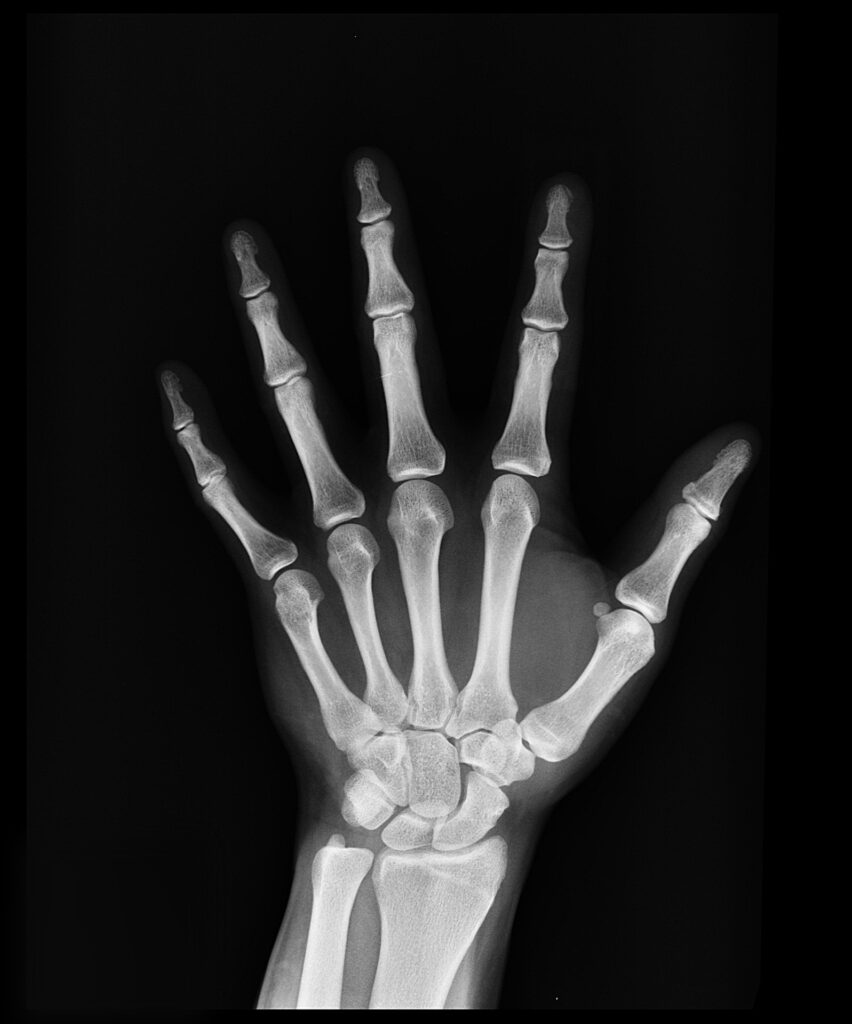
When radiation travels through materials, it doesn’t simply disappear. It interacts with atoms in different ways depending on its energy. Low-energy radiation may pass through materials or be absorbed as heat. High-energy radiation, like X-rays and gamma rays, interacts more strongly. It can knock electrons out of atoms, which can break chemical bonds, including those in DNA. This is the reason radiation can be both useful and potentially harmful.Radiation in medicine and technology
Sound: a different kind of energy wave
Sound is also a form of energy that travels in waves, but it works differently from electromagnetic radiation. Light and radio waves can travel through empty space, while sound needs a medium, like air or water, to move through. That’s why sound cannot travel in space. Studying sound waves helps scientists understand noise pollution and its effects on human health and wildlife.Safety and measurement
Because ionizing radiation cannot be seen or felt, scientists use special instruments to measure it, such as:-
- Geiger counters
-
- Dosimeters (badges worn by people who work with radiation)
-
- Radiation sensors
Why radiation matters in the environment
Radiation is closely connected to environmental systems. It influences: • Climate (through solar energy) • Ecosystems (through UV exposure) • Human health (through medical and natural exposure) Understanding radiation helps scientists balance its benefits and risks. It is not something to fear, but something to manage carefully. Final thoughts Before studying this topic, I often associated radiation with danger. But learning about it showed me a much broader picture. Yes, radiation comes from nuclear power plants and medical machines, but it is also part of the natural world and modern life. It surrounds us constantly, shaping how energy moves through the environment. The key is not to avoid radiation completely, but to understand it, measure it, and use it responsibly.after industrial or natural events.Key Takeaways
-
- Radiation is energy that travels through space or matter
-
- It comes in two main types: non-ionizing (lower energy) and ionizing (higher energy, potentially harmful at high doses)
-
- We are constantly exposed to low levels of natural background radiation
-
- Radiation is widely used in medicine, communication, and environmental monitoring
-
- Sound is a different kind of energy wave, and it can’t travel through empty space
-
- Understanding radiation helps us balance safety and technology