With the onset of Spring as the days get longer and temperatures rise, many garden owners and land managers are encouraged through initiatives such as No Mow May to allow their lawns and green spaces to grow naturally for a while, giving pollinating insects a chance to disperse their spores and stimulate the growth of flowering plants. But why restrict it to May alone?
Wildlife in the UK is in crisis, having lost half its natural biodiversity since the 1970s and ranking third from last in global biodiversity indexes, and protecting what we have requires year round action and accommodation.
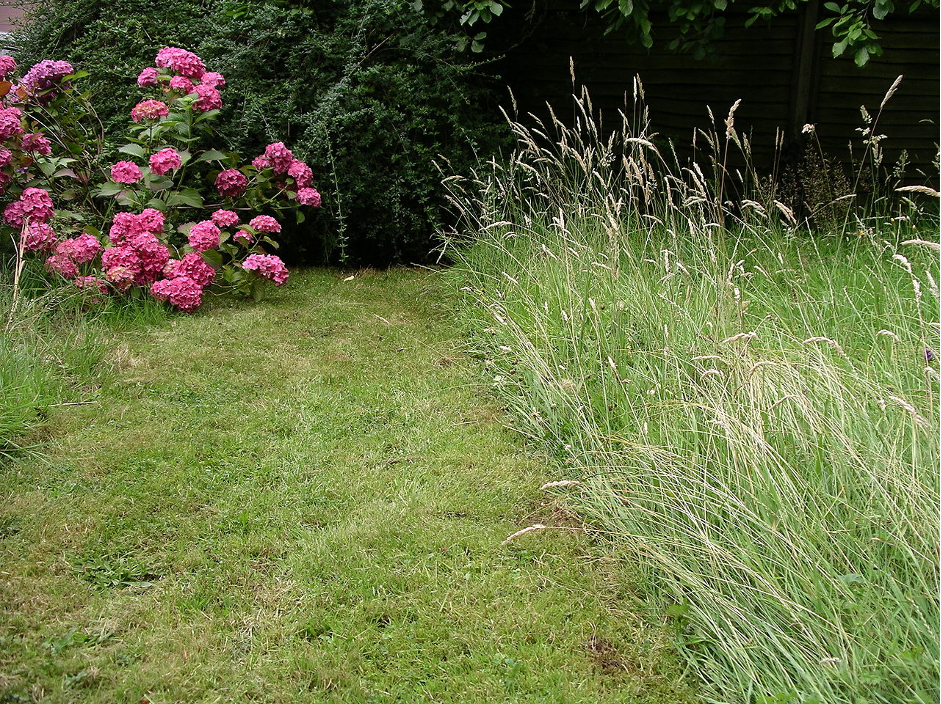
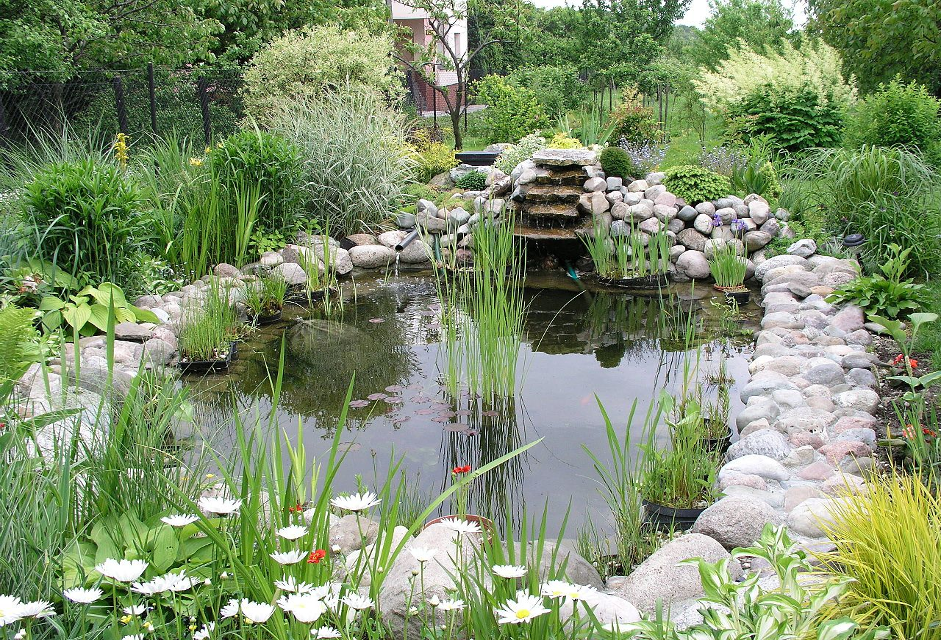
It’s understandable that many people may not want their homes crawling with critters, but there are many options for creating contained and sectioned wild spaces in gardens. Whether that’s allowing a patch of lawn to grow untreated, setting up nest boxes and bird feeders, ponds big and small or simply piles of offcut wood in shady corners. If given the time to fully establish itself, even a modestly sized urban garden can become a miniature ecosystem, with all the functionality and benefits of a healthy wild landscape and keystone species performing important tasks.
Caterpillars
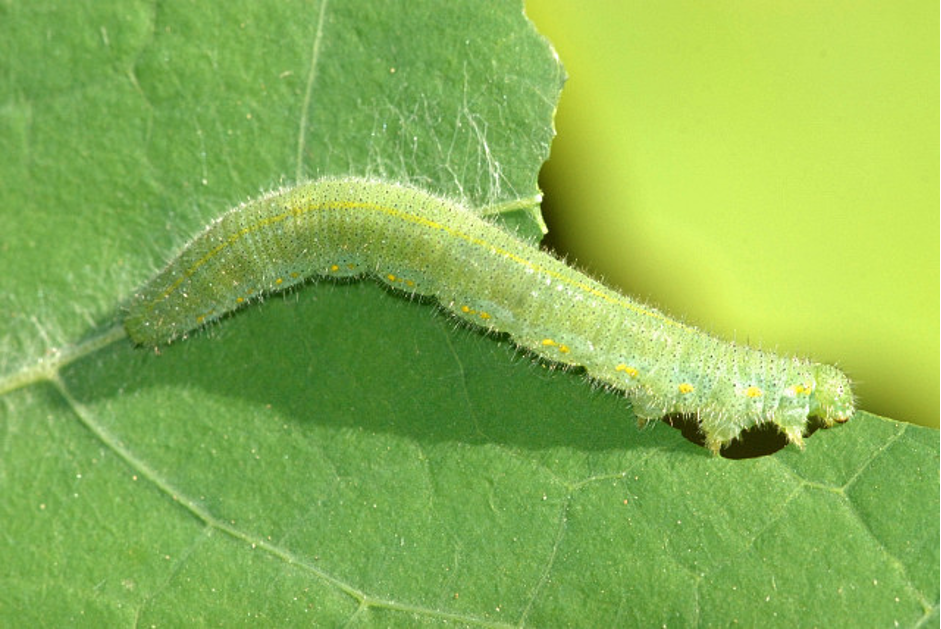
Provided the right plants are available, butterflies will lay thousands of eggs on the plants growing in a garden, which will hatch into hungry caterpillars. With the high nutritional intake required for metamorphosis, they will chew through greenery and make a nuisance of themselves for the green thumbed gardener. The temptation may be to exterminate the caterpillars with insecticides or more abstract means, however the most effective, least harmful and least work intensive method is to allow the caterpillars to become a banquet.
When a space becomes established as a seasonal food source, the caterpillars will draw the attention of birds, amphibians, small mammals and carnivorous insects who will relish the food supply, especially at a time of year when many species are raising their young. Though they may be a bother at first, an abundance of herbivorous invertebrates lays the foundations of a healthy food chain, the benefits of which will be felt beyond the garden fence.
Wasps
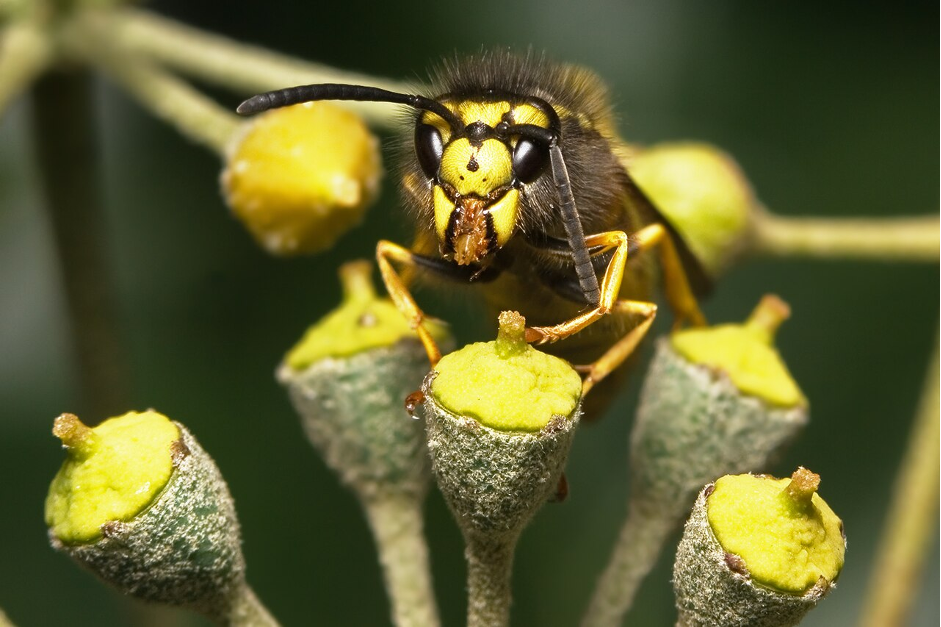
Wasps have a reputation as disruptive and unwelcome guests; the stinging scourge of countless picnics. Despite their less charming appearance, wasps are as important a pollinator as bees and butterflies, spreading spores as they feed on the sugary nectar.
They also occupy the role of a miniature apex predator, but in a very unusual way. While the adult wasps do supplement their diet of nectar with other invertebrates, fruit and honey, most of their hunting is done to feed their voracious larvae, whose diet is almost entirely carnivorous.
In much the same way that wolves control the populations of the herbivores they hunt, wasps act as an effective and natural pest-control service for the garden ecosystem.
Frogs
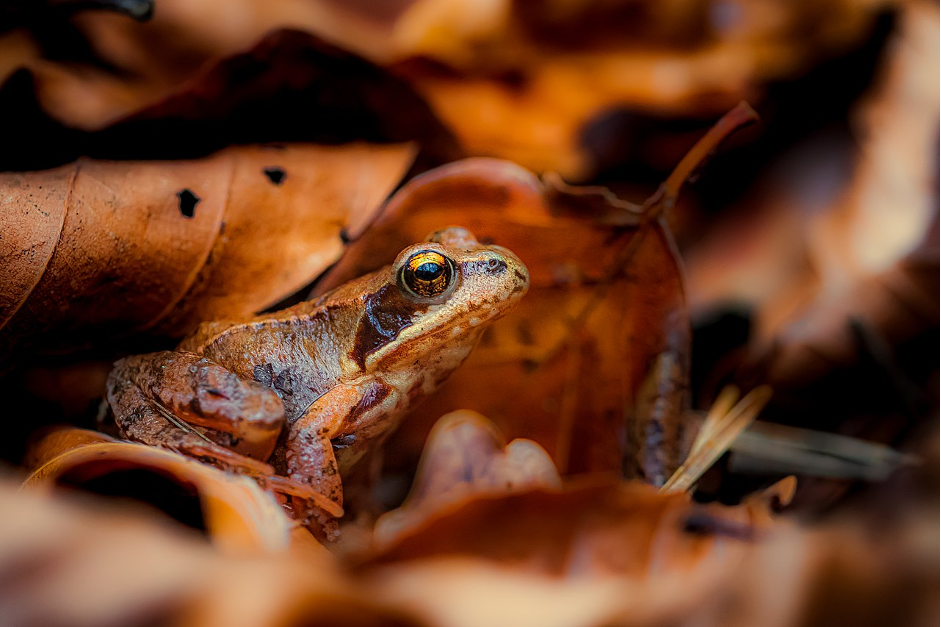
Much like wasps and other carnivorous critters, frogs are a natural pest controller with a particular fondness for slugs. What makes frogs truly special however is their role as an ‘indicator species’.
Being amphibians, frogs absorb oxygen through their thin, permeable skin. They can also absorb chemicals this way, making them very sensitive to changes in their surroundings. The reduction and contraction of amphibian populations across the British isles is an indicator of widespread air and water pollution, so they need truly pristine conditions and a healthy food supply to thrive. A garden that is able to support frogs is a badge of honor in conservation terms.
Mental Health
Perhaps less obvious is the impact that backyard nature has on our emotional wellbeing. There is now mounting evidence, especially in the wake of the COVID-19 pandemic, that having regular access to and experiences with nature and wildlife has a profoundly positive effect on mental health and childhood development; reducing stress and anxiety, boosting sensory engagement, encouraging empathy and providing space for communities to flourish.
More than just helping local animals and providing a carbon sink against climate change, urban wild spaces provide us with an essential release from the increasingly oppressive grind of modern life, giving us the much needed space to breathe and find a shared connection with the simple joys of a bee flitting between flowers or a bird singing in the trees.