





 Biology
What Can an Animal’s Voice Tell Us about Them?
Everyone knows the distinctive sounds that animals make. Birds chirp. Wolves howl. Foxes bark and yap. What they probably don't know is how much these sounds can tell…
Discover ideas, explanations and extraordinary stories from across the sciences — written by people who know their subjects.
Biology Everyone knows the distinctive sounds that animals make. Birds chirp. Wolves howl. Foxes bark and yap. What they probably don't know is how much these sounds can tell…
 Medical Science
A brain–computer interface, or BCI, is a tool that helps the brain send a message to a computer. It listens to tiny electrical signals produced when a person…
 Space
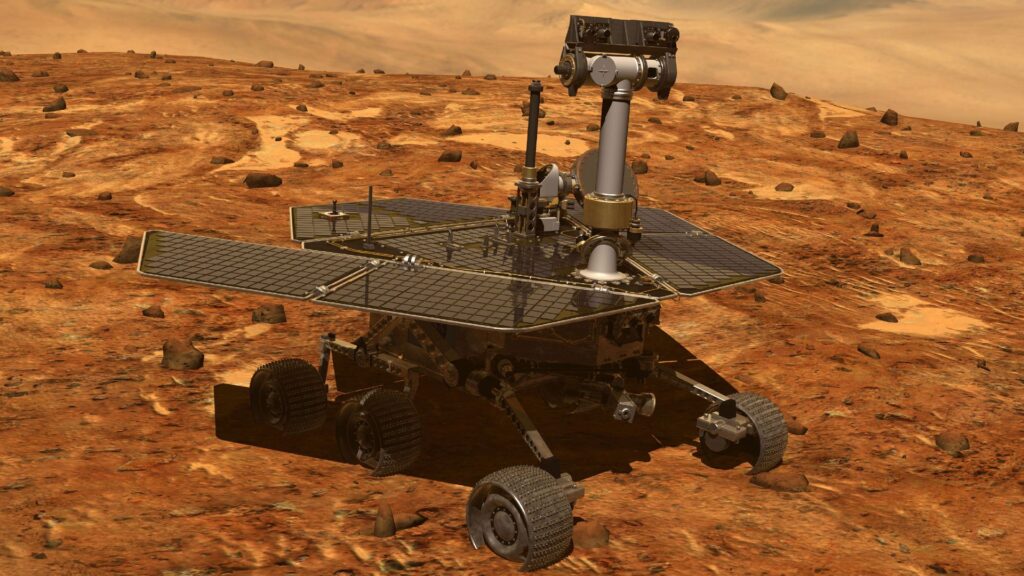
In January of 2004, on a barren plain called Meridiani Planum, a small machine awoke beneath an alien sky. It was no larger than a golf cart, a…
 Biology
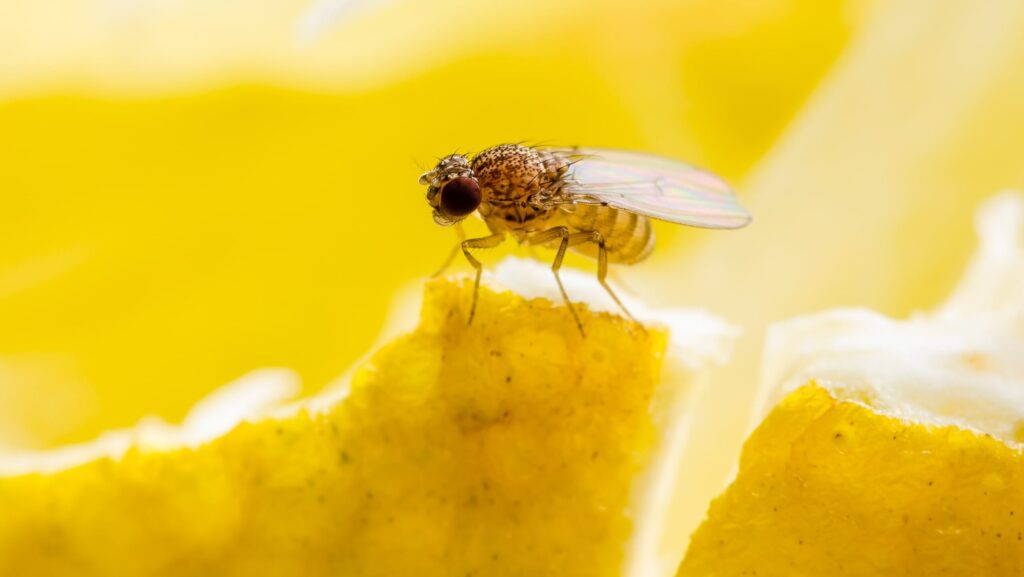
Since the start of summer, I’ve been locked in a losing battle with fruit flies over my fruit basket. No matter how many times I cover the peaches…
 Environmental Science
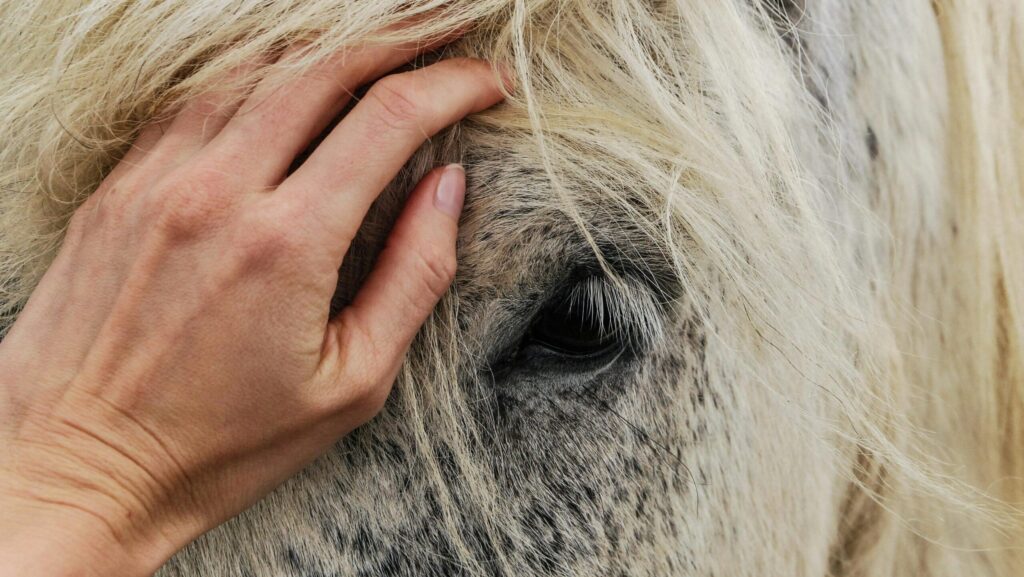
No disaster movie is complete without a scene where animals are the first to sense imminent danger. For the viewer, this may seem like a cinematic device —…
 Earth Sciences
We often think of communication as something that happens through words, gestures, or sounds — all things familiar to human experience. It’s natural to assume that silence means…
 Physics
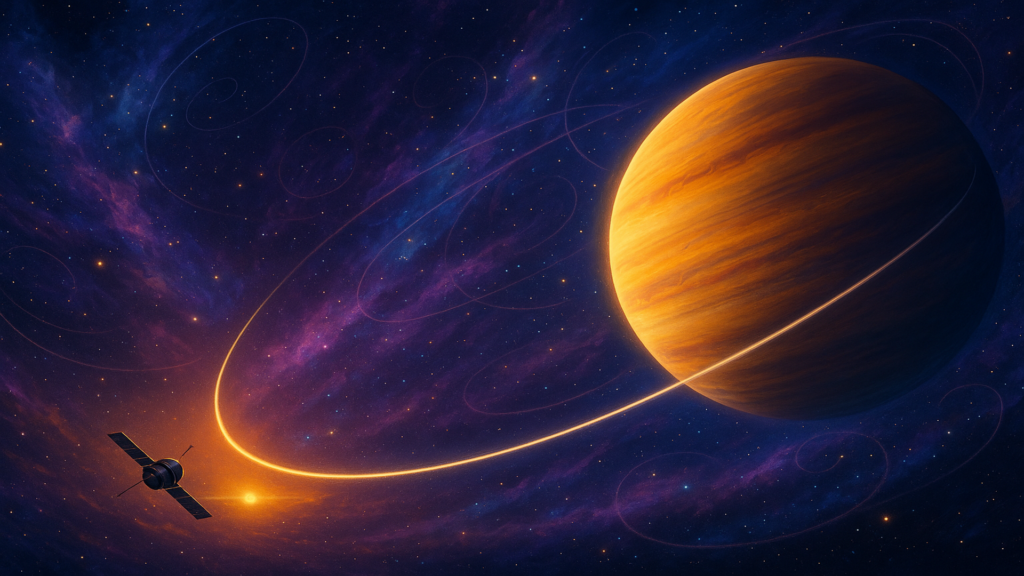
In Wonders of Our Universe, we guide our audiences on a voyage to Mars—not just through imagination, but through the elegant logic of celestial mechanics. One of the…
 Biology
When we think of space careers, astronauts and rocket scientists typically come to mind. However, the space industry is experiencing an unprecedented evolution, creating fascinating career paths that…
 Biology
At The Average Scientist, we believe that science isn't just for those with traditional paths to success. Sometimes, the most inspiring scientific minds come from unexpected places. Today,…
 Biology
Have you ever noticed how differently people can react to the exact same situation? And have you wondered why your own emotional responses can vary so dramatically -…
 Biology
The Cannon-Bard theory, developed by Walter Cannon and Philip Bard in the 1920s, proposes that emotions and bodily responses happen at the same time rather than one causing…
 Biology
Can you imagine being terribly angry? What will happen if suddenly all the physical signs of anger vanish? It would be hard to stay angry, wouldn't it? Similarly,…