






Rough Guide to Biology and Biotechnology: Chapter 6 – The Death of Jesse Gelsinger

“Science does not have a moral dimension. It is like a knife. If you give it to a surgeon or a murderer, each will use it differently.” This quote by German-American aerospace engineer, Wernher von Braun, holds true in the light of what science does and how we decide to apply it.
This isn’t another abstract debate about bioethics. This is about a real person whose life – and death – changed the course of…
Reading Time – 9 minutes
Difficulty Level – 2/5

Parkinson’s Disease Gut Connection: New Research Reveals

Dr. C, a professor living with Parkinson’s since 2014, described how the disease robbed him of one of life’s most basic functions: “I had a routine [emptying the bowels] — until Parkinson’s disease came along. Now, I don’t sense ‘having to go’ in the same way. Days will go by without a visit to the white throne. Things get backed up worse than the Los Angeles freeway at rush hour, which gets quite uncomfortable.”…
Reading Time – 9 minutes
Difficulty Level – 3/5
Memories of the Heart: Personality Changes after Cardiac Transplants

Organ transplants are arguably one of the most important human achievements in the field of medicine. The first ever successful heart transplant from a human donor to a human acceptor took place on December 3rd, 1967 (Brink & Hassoulas, 2009). The patient survived for about 18 days. A short but hopeful…
Reading Time – 14 minutes
Difficulty Level – 4/5
Scurvy Disease and the Long Awaited Discovery of Vitamin C
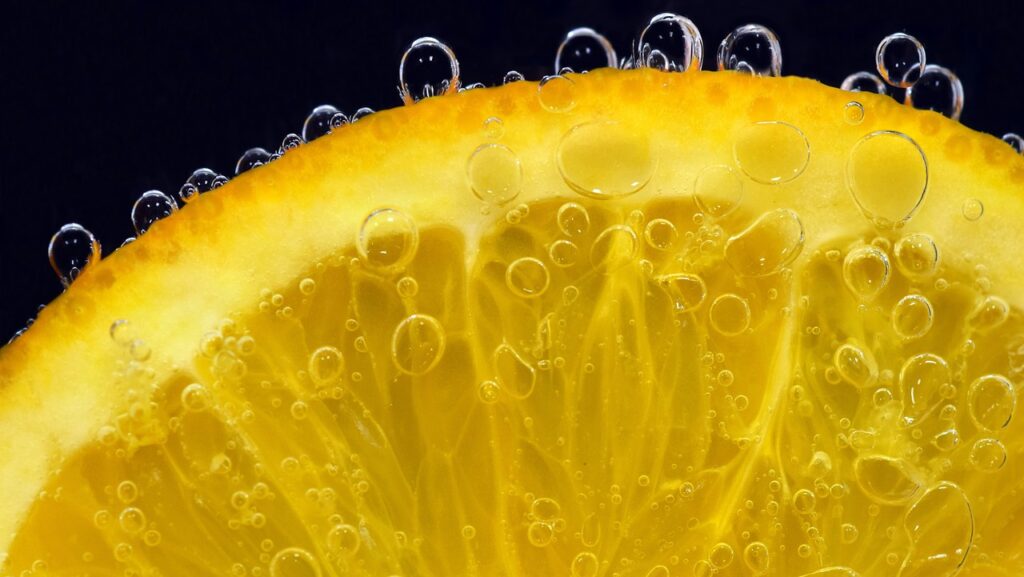
Scurvy was a puzzling disease for centuries. In historical cases, otherwise healthy individuals would experience lethargy, skin lesions, and spontaneous bleeding after extended periods without nutritious meals. While modern readers might think “Of course -without proper…
Reading Time – 5 minutes
Difficulty Level – 3/5
The Societal Impact of GLP-1 Receptor Agonists
Glucagon-like peptide-1 (GLP-1) receptor agonists have emerged as a groundbreaking class of medications. Revolutionising the treatment landscape for type 2 diabetes and obesity, they were originally developed to manage blood glucose levels in diabetic patients. These drugs have now since garnered significant attention for their remarkable…
Reading Time – 14 minutes
Difficulty Level – 3/5
Stop Stressing: What happens to our body in the face of chronic stress and what can we do to stop it?

The stress response is normal, evolutionarily ancient, and important. Back in the days of living in caves, the stress response was particularly useful, in that it would provide the body with the rush of energy needed to, say, (1) make a quick decision to run from a bear, (2) to actually run from….
Reading Time – 12 minutes
Difficulty Level – 3/5
How Your Ham and Cheese Sandwich Boosts Brain Power

“Brain food” is a casual term you’ve probably heard, but never really understood what it meant.
Here we will explore the path that a classic ham and cheese sandwhich takes through the digestive and vascular systems, all the way to the brain to fuel your (energy-demanding) thinking.
More specifically, we will examine…
Reading Time – 6 minutes
Difficulty Level – 2/5
Neurobiology of Sleep

Humans spend nearly ⅓ of their lives asleep – meaning that someone who is 80 years old has slept for a colossal 26 years of their life. This mind-boggling statistic hints at the immense importance of sleep for the human body and begs the questions – what happens in our brains while we sleep and why is it essential for us to function properly? This article discusses…
Reading Time – 5 minutes
Difficulty Level – 3/5
The Rise and Fall of the Lobotomy

Today, treatment for mental health conditions comes in the form of anti-anxiety pills and behavioral therapy. But just 70 years ago, these same conditions were treated with something very different: an ice pick. The lobotomy tells the story of how, and in examining this now shelved medical procedure we are offered a powerful look into how…
Reading Time – 10 minutes
Difficulty Level – 2/5
Stem Cells: Powerful Tools for Research and Therapy Development
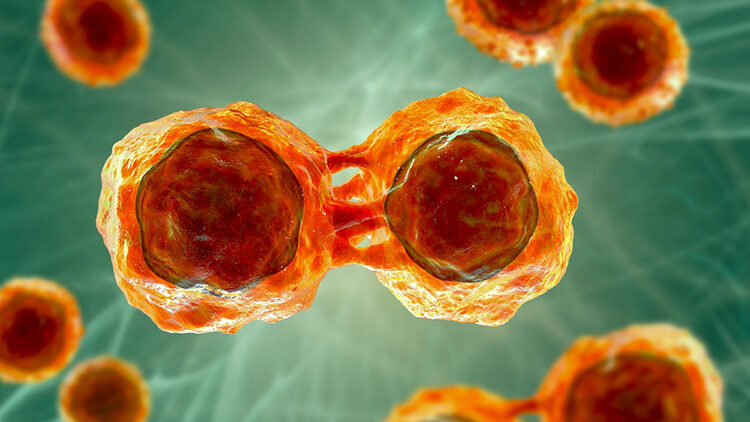
Stem cells are a unique type of cell in the human body that have the remarkable ability to become many different cell types. Due to this special ability, stem cells serve important roles in our body during embryonic development and also throughout our lifespan. In this article, we dive into various functions of stem cells in our…
Reading Time – 6 minutes
Difficulty Level – 3/5