
The Cannon-Bard theory, developed by Walter Cannon and Philip Bard in the 1920s, proposes that emotions and bodily responses happen at the same time rather than one causing the other.
How Did the Cannon-Bard Theory Evolve?
The Cannon-Bard theory emerged as a response to the earlier James-Lange theory, which suggested that emotions were a result of perceiving physical responses in the body. Cannon, who had studied with William James, conducted animal experiments—especially on cats—where he cut specific nerves to block feedback from the autonomic nervous system. He found that even without this feedback, cats still showed signs of emotion, such as hissing or raised fur, which led him to conclude that bodily feedback isn’t necessary for emotions to be felt.
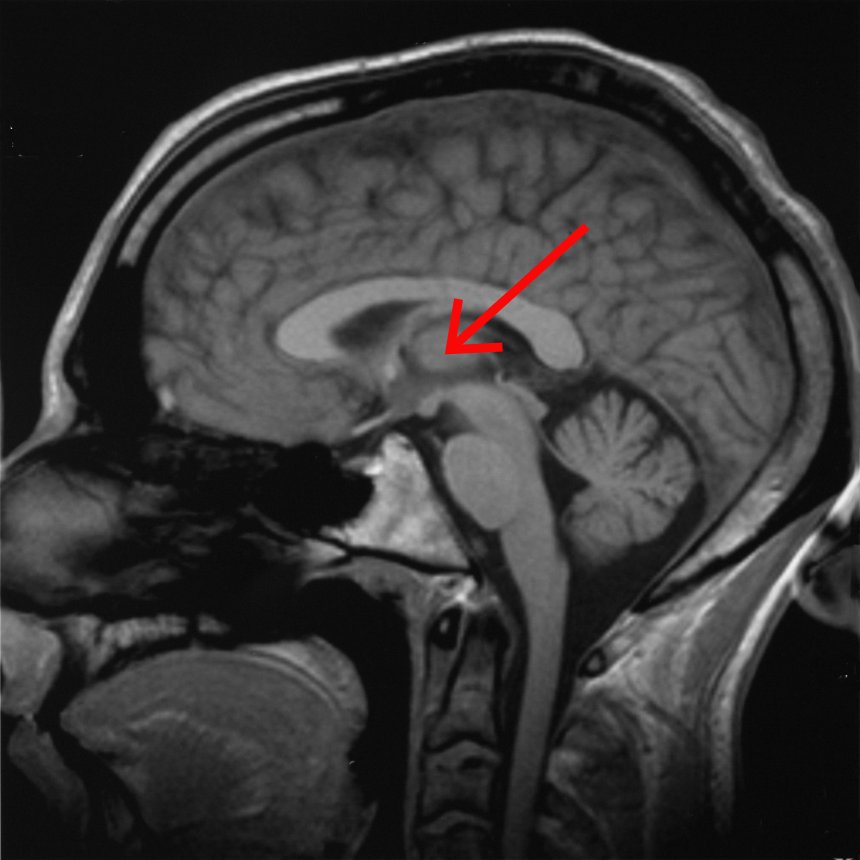
Cannon suggested that emotional triggers are processed in the brain, causing both bodily and emotional responses at the same time. Bard expanded on this by identifying the thalamus as a key part of the brain that helps coordinate these responses.
How Does the Cannon-Bard Theory Work?
The Cannon-Bard theory can be broken down into three main points:
- Simultaneous Reaction: Emotions and physical responses happen simultaneously and independently.
- Emotional Stimulus Activation: When a person perceives an emotional trigger, the thalamus is activated.
- Signal to Brain and Body: The thalamus sends messages to both the cerebral cortex, which processes the conscious emotional experience, and the hypothalamus, which triggers physical responses.
Real-Life Examples of the Cannon-Bard Theory in Action
- Seeing a Snake: When you see a snake, the thalamus immediately sends signals to your brain, creating a feeling of fear, and to your body, causing physical reactions like a faster heartbeat, heavier breathing, and sweating.
- Being Chased by a Dog: If a dog is chasing you, your brain processes the fear, while your body immediately reacts with increased heart rate, higher blood pressure, and tensed muscles—helping you respond to the threat.
Impact and Criticisms of the Cannon-Bard Theory
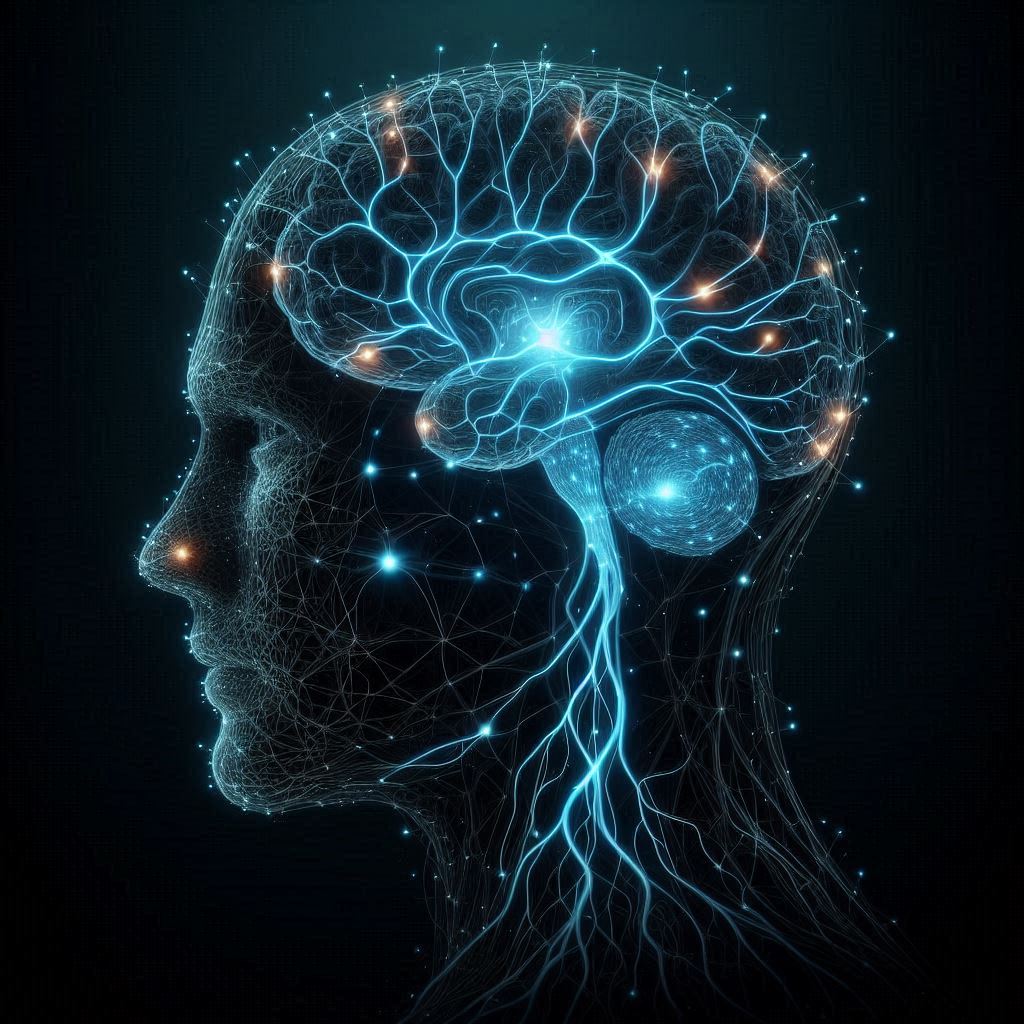
The Cannon-Bard theory shifted emotion research toward the brain's role in emotional experience.
However, it has faced some criticism:
- Brain Complexity: Later studies show that other brain areas besides the thalamus play roles in emotion processing.
- Lack of Specificity: The theory doesn’t fully explain why different emotions often lead to different physical reactions.
Despite these critiques, the Cannon-Bard theory remains a significant contribution to understanding the brain’s influence on emotions. It helped pave the way for more research into the connections between the brain, the autonomic nervous system, and emotional experiences.
To Learn More
Friedman, B. H. (2010). Feelings and the body: The Jamesian perspective on autonomic specificity of emotion. Biological Psychology, 84(3), 383-393. https://doi.org/10.1016/j.biopsycho.2009.10.006
Larsen, J. T., Berntson, G. G., Poehlmann, K. M., Ito, T. A., & Cacioppo, J. T. (2008). The psychophysiology of emotion. In M. Lewis, J. M. Haviland-Jones, & L. F. Barrett (Eds.), Handbook of Emotions (3rd ed., pp. 180–195). The Guilford Press.
Oggiano, M. (2020). Origins of Emotion in Humans and Other Animals. Sign Stimuli as Elicitors of Emotion Families. Sign Stimuli as Elicitors of Emotion Families (Thesis for: Bachelor Degree in Psychosocial Disciplines). Uninettuno University, Rome, Italy. DOI: 10.13140/RG.2.2.14919.65443.
https://www.researchgate.net/publication/338936795_
Oggiano, M. (2022). Neurophysiology of emotions. In Neurophysiology-Networks, Plasticity, Pathophysiology and Behavior. IntechOpen. DOI: 10.5772/intechopen.106043
Statharakos, N., Alvares, A. J., Papadopoulou, E., & Statharakou, A. (2022). Psychology of Emotions. In The Psychology of Anger (pp. 21-50). Cham: Springer International Publishing.