






Rare earth elements – and why they are neither rare, nor earths
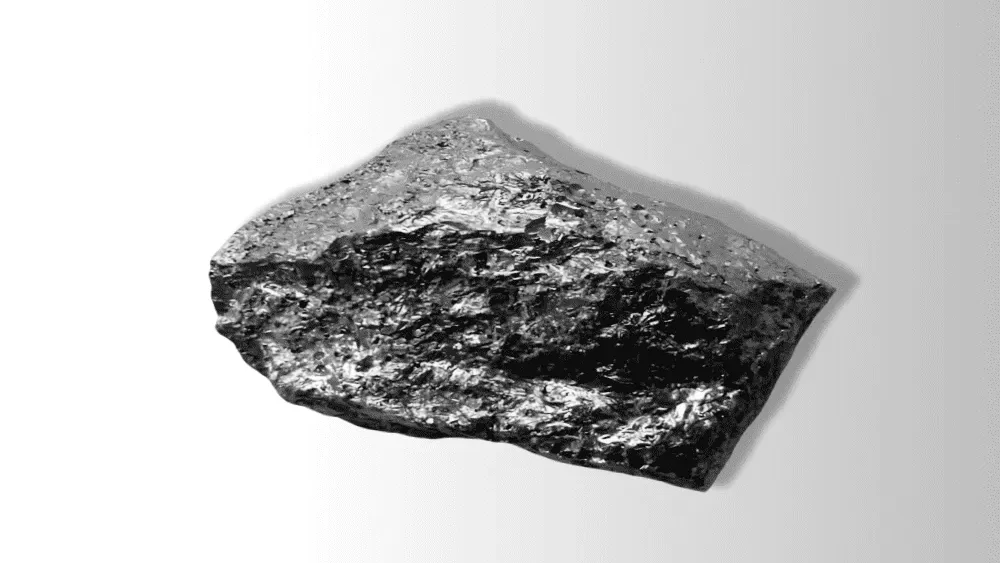
The rare earth elements have one of the most misleading names in chemistry. They aren’t earths. And they aren’t particularly rare. So, what are they, and why does everyone suddenly care? For the past few years, we have heard the term “rare earth elements” in the media more and more often, especially in the context of geopolitical troubles, sometimes even as negoation bargaining chips. Yet do we really know what those are? And why do we even need them?
What are the Rare Earth Elements?
Generally…..
Reading Time – 5 minutes
Difficulty Level – 3/5

Rough Guide to Biology and Biotechnology: Chapter 8 – What We Choose to Do With It
Understanding and reshaping life have been a long journey for humans. We started from a cell and ended with the knowledge that life can end swiftly if we push too hard, move too fast, without enough care. Now that we have a basic understanding of life, of biotechnology, the question arises. Where do we go from all this? Where will we end up? And to what point can we keep going?
I wonder if this was never really about science…
Reading Time – 4 minutes
Difficulty Level – 2/5
What Happens Inside a Wet Lab?

When most people picture a scientist, they often imagine someone in a white lab coat surrounded by mysterious equipment and colourful liquids. When I started university, that image didn’t seem far from reality. The first time I stepped into a wet lab, I was surrounded by instruments I had never used before, and honestly, I had no idea what half of them did.
A wet lab is a laboratory where scientists work with liquids, chemical solutions, and biological samples. It is called…
Reading Time – 5 minutes
Difficulty Level – 1/5
The Integrated Sachs-Wolfe Effect: How Empty Space Leaves Its Mark on Ancient Light
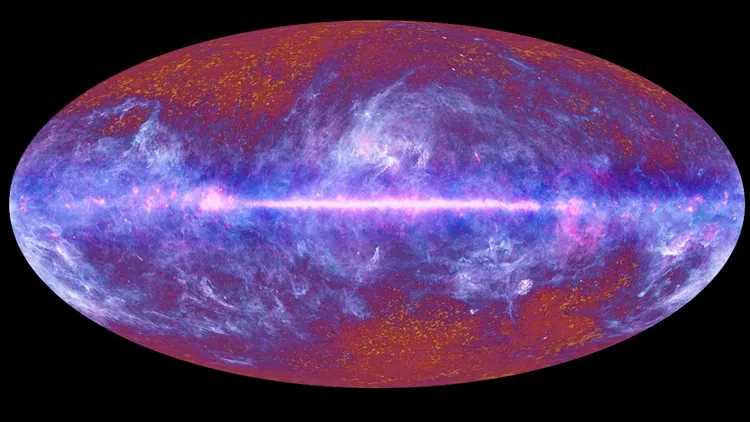
The Cosmic Microwave Background – the faint afterglow of the Big Bang – has been travelling through the universe for nearly 13.8 billion years. In that time, it hasn’t just been drifting through empty, static space. It has been passing through a universe that is constantly changing — expanding, forming structures, growing voids.
And that journey has left marks.
Climbing In and Out of Gravity Wells…
Reading Time – 3 minutes
Difficulty Level – 3/5
Rough Guide to Biology and Biotechnology: Chapter 7 – Bacteria in Space
Imagine you are in space. You’re floating at the observation window and you can see vast galaxies, stars, asteroids, everything swallowed by black and studded with light.
You see the beauty of the world, how small you are compared to the vast entirety . . . when you sneeze.
Stiffening, you float to your medical emergency kit and take out the antibiotics that were given to you. The ship’s diagnostic flags an infection -…
Reading Time – 6 minutes
Difficulty Level – 2/5
The Hidden Ocean Currents That Shape Our Planet
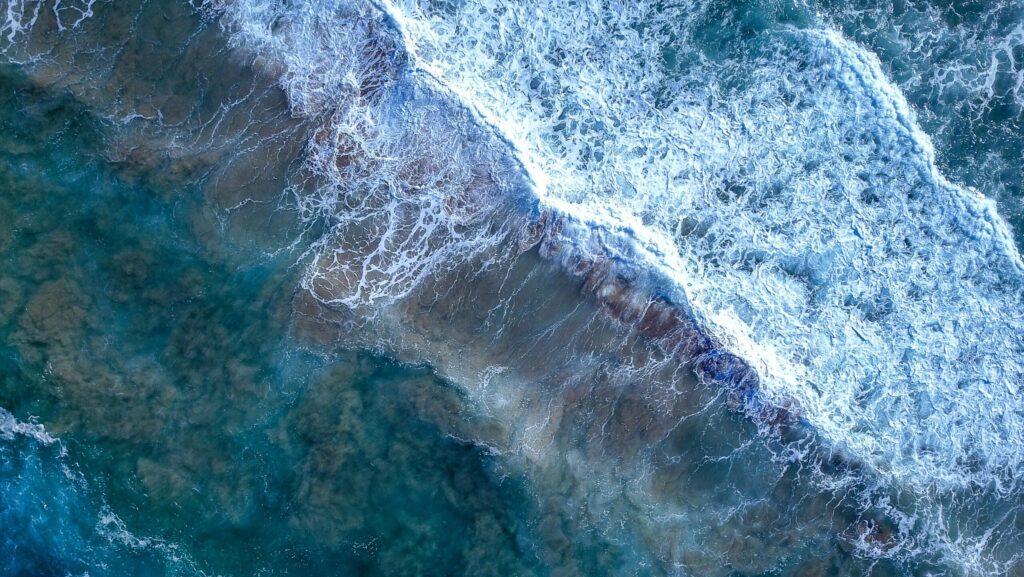
Science is full of paradoxes. At times, humanity understands distant worlds better than the one lying right beside us. We know the surface of the Moon and Mars better than the floor of our own ocean. That sounds almost unbelievable when we remember that the ocean covers about 71% of Earth’s surface. And yet, according to current estimates, more than 80% of the ocean remains insufficiently explored, especially its deep-sea regions.
The ocean feels familiar to us….
Reading Time – 15 minutes
Difficulty Level – 3/5
How Do Seeds Survive for So Long?
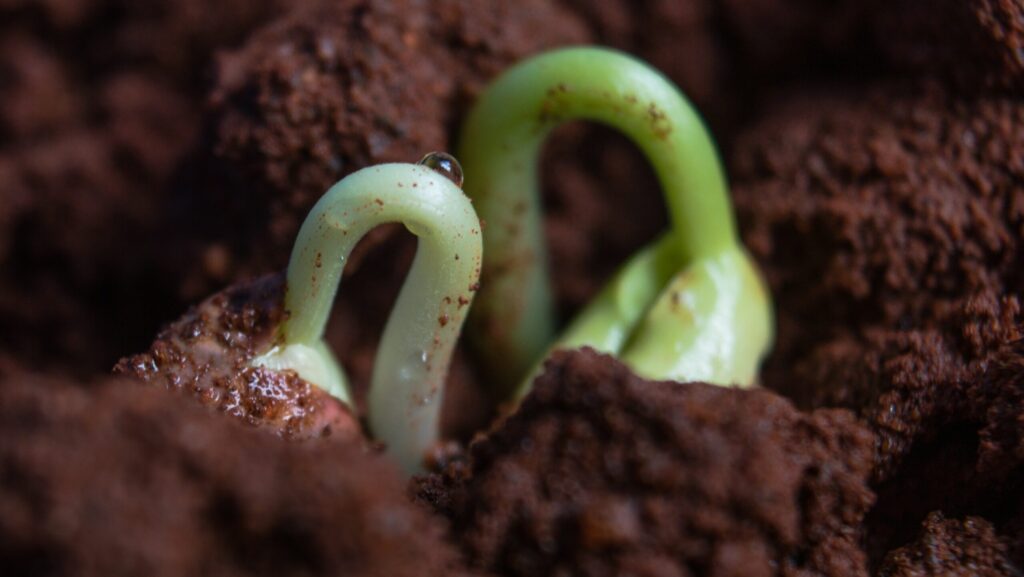
Have you ever noticed plants all of a sudden sprouting in soil that had been barren and dry for a long time?
While their sudden growth may seem a complete surprise, it is actually the result of dormant seeds waiting until the moment is right.
How exactly do these teeny-tiny structures survive for so long with the smallest amounts of water, sunlight, and nutrients in their environment?
What Is a Seed?
To understand how seeds survive the worst conditions for so long,…
Reading Time – 4 minutes
Difficulty Level – 1/5
Rough Guide to Biology and Biotechnology: Chapter 6 – The Death of Jesse Gelsinger

“Science does not have a moral dimension. It is like a knife. If you give it to a surgeon or a murderer, each will use it differently.” This quote by German-American aerospace engineer, Wernher von Braun, holds true in the light of what science does and how we decide to apply it.
This isn’t another abstract debate about bioethics. This is about a real person whose life – and death – changed the course of…
Reading Time – 9 minutes
Difficulty Level – 2/5
Why the Wind Has a Memory

What causes wind direction – and why does the wind in some places almost always blow the same way? Why does it blow from the sea every morning along the coasts, descend into the valleys by evening in the mountains, and follow the same routes across deserts for years?
If you observe the wind long enough, a strange impression begins to emerge: as if it remembers the way. Sometimes it seems as though the wind has a memory.
What Shapes the “Memory” of the Wind
When it….
Reading Time – 18 minutes
Difficulty Level – 3/5
Why Humans Find Flickering Flames Comforting

You light a candle. Almost immediately, your shoulders drop. Your breathing slows. Something quietly signals: everything is okay. But why does a tiny flame have this effect? The answer goes back 400,000 years – to when your ancestors’ survival depended on never letting the fire go out.
Your Brain on Fire
When researchers sat people down and made them watch a flickering fire, something measurable happened.
Blood pressure dropped significantly…
Reading Time – 5 minutes
Difficulty Level – 1/5